
Last updated November 15, 2026
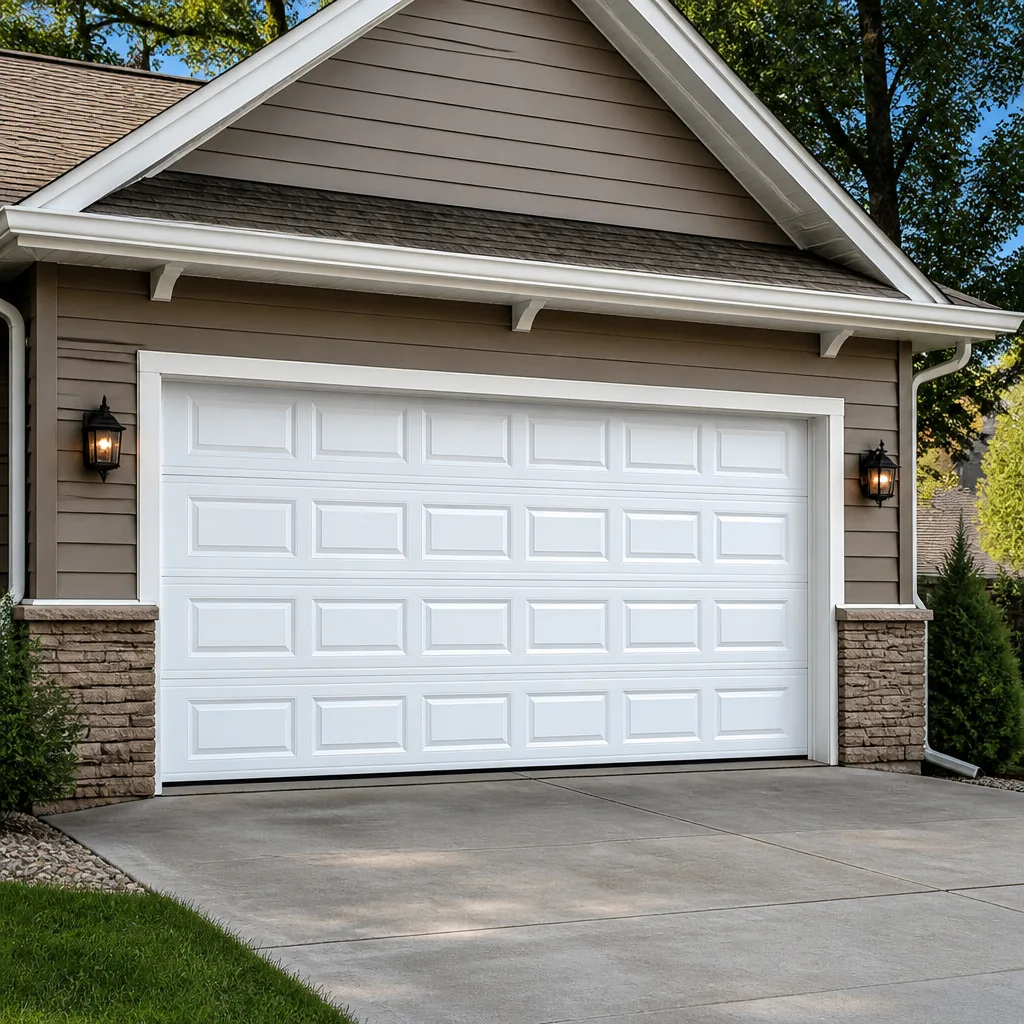 Raised-panel steel
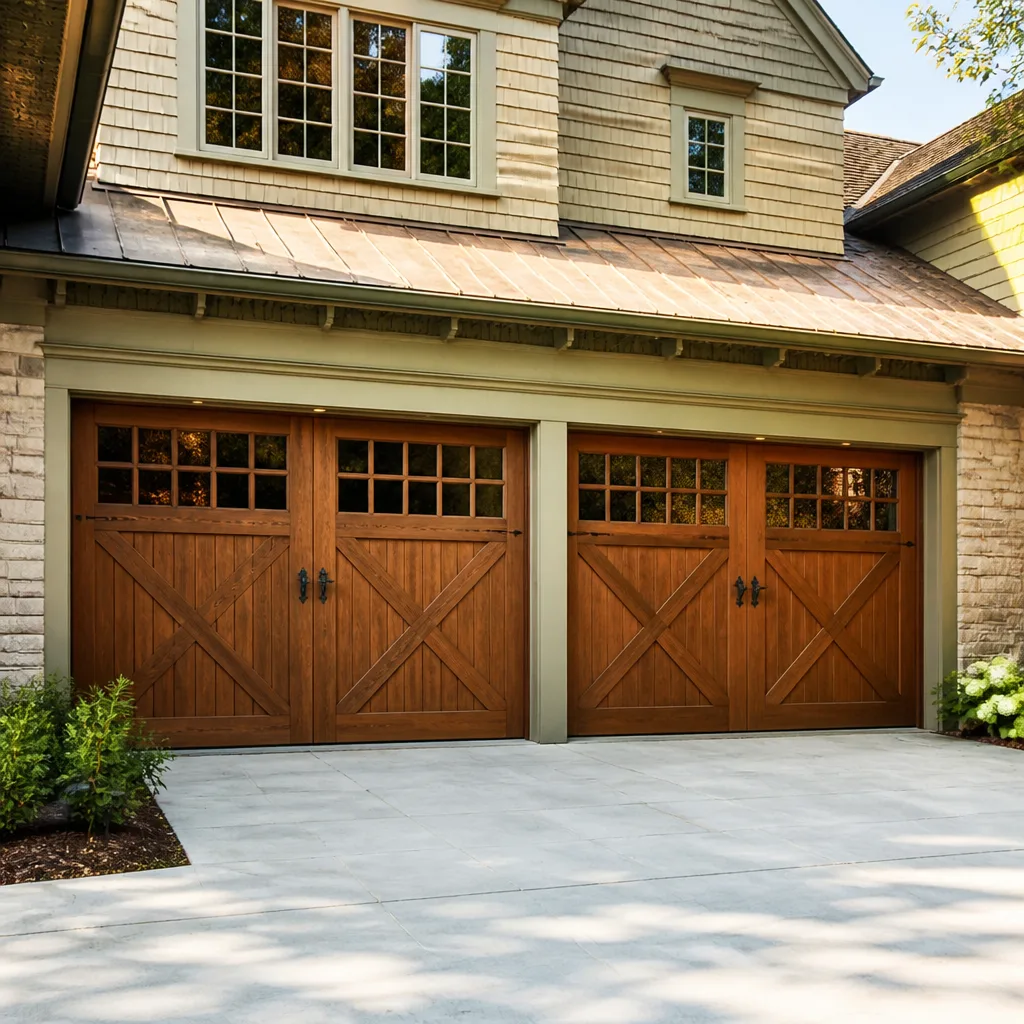 Carriage house
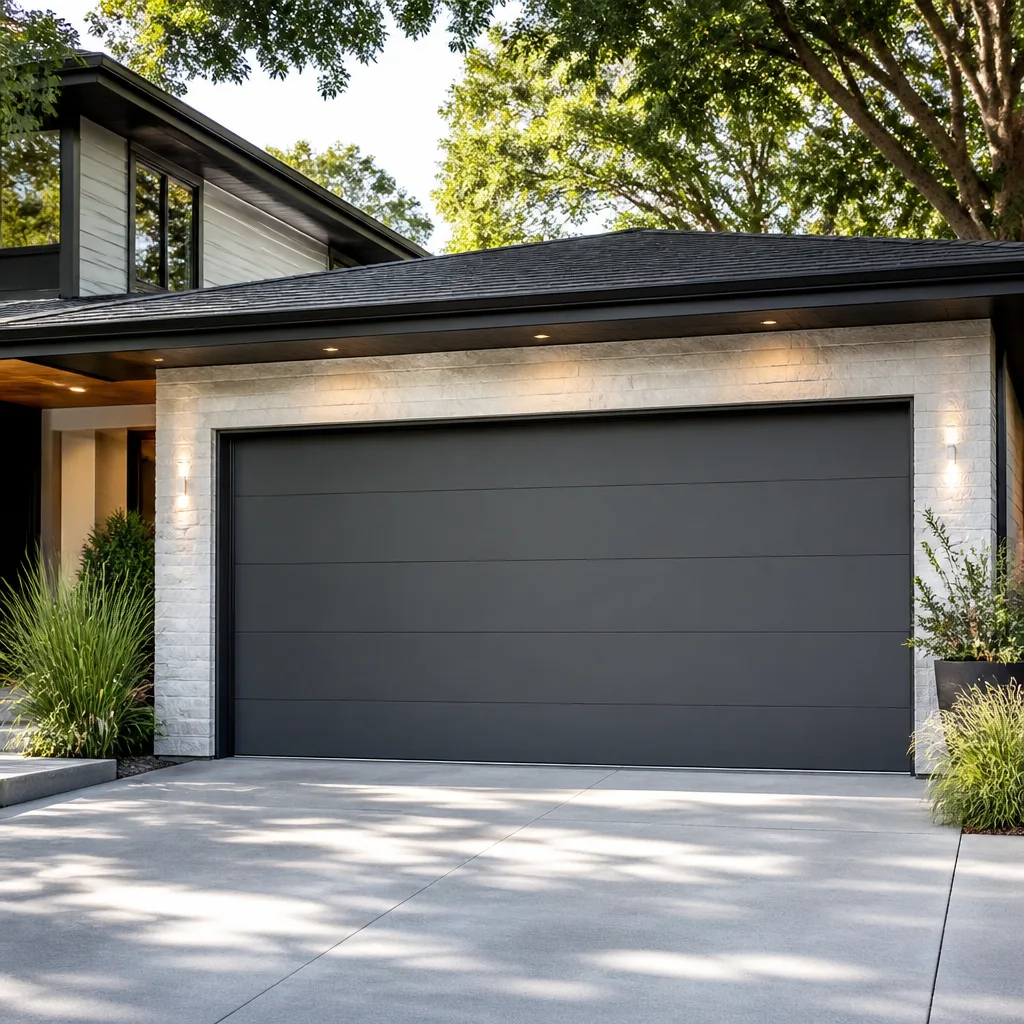 Modern flush
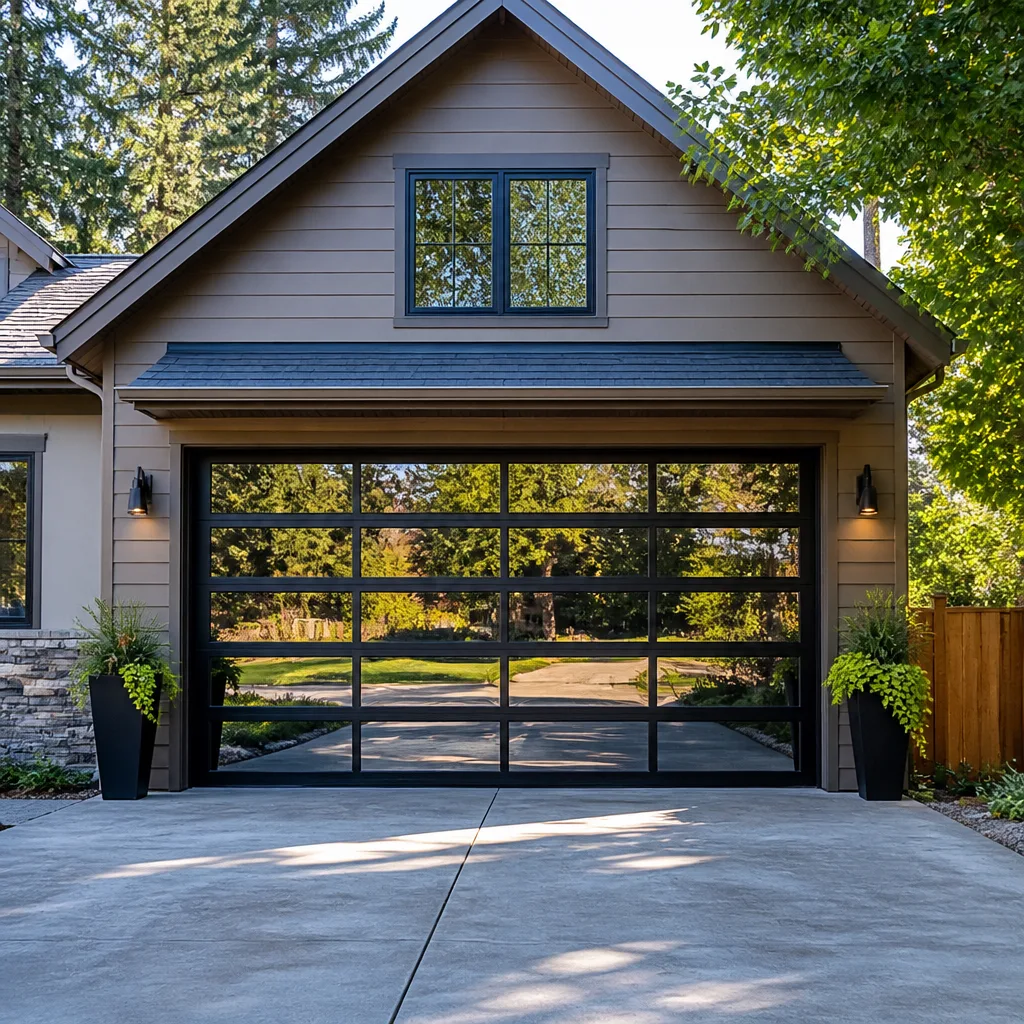 Full-view glass
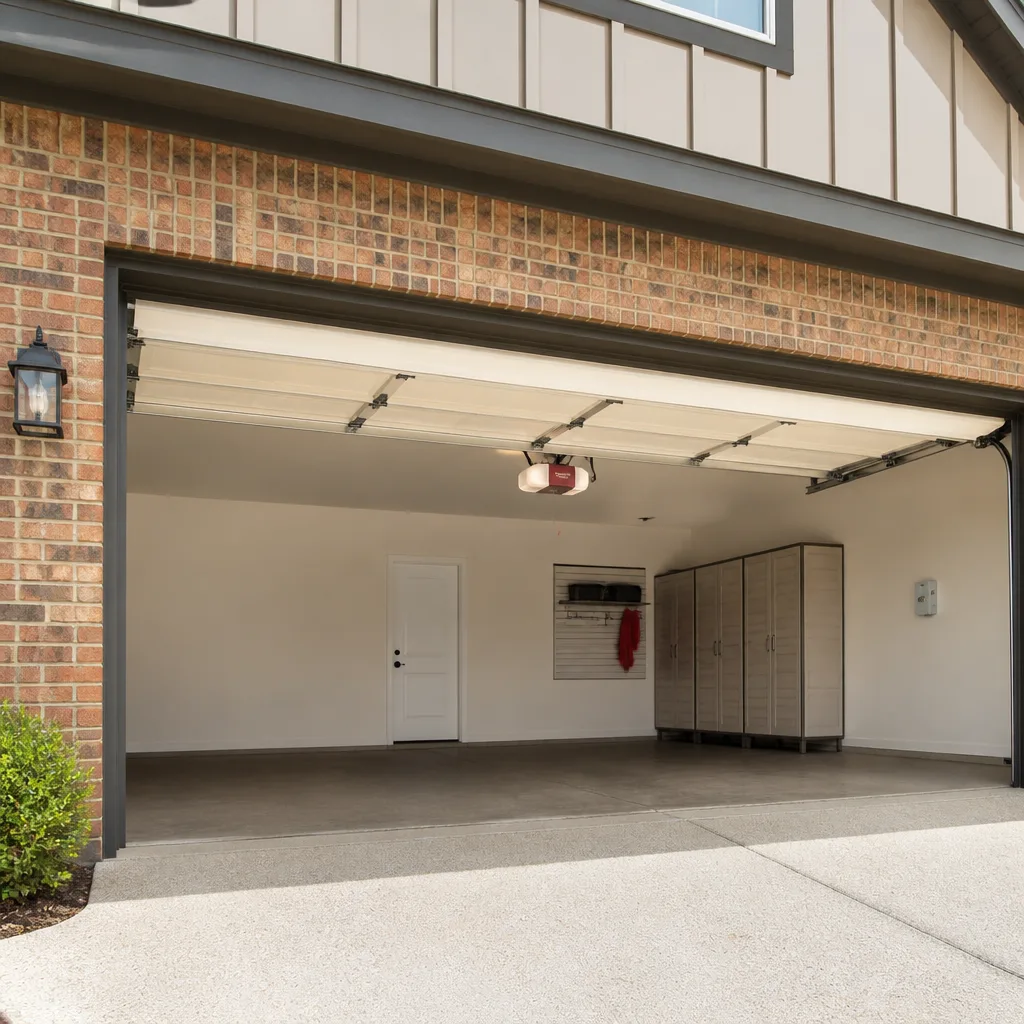 LiftMaster openers
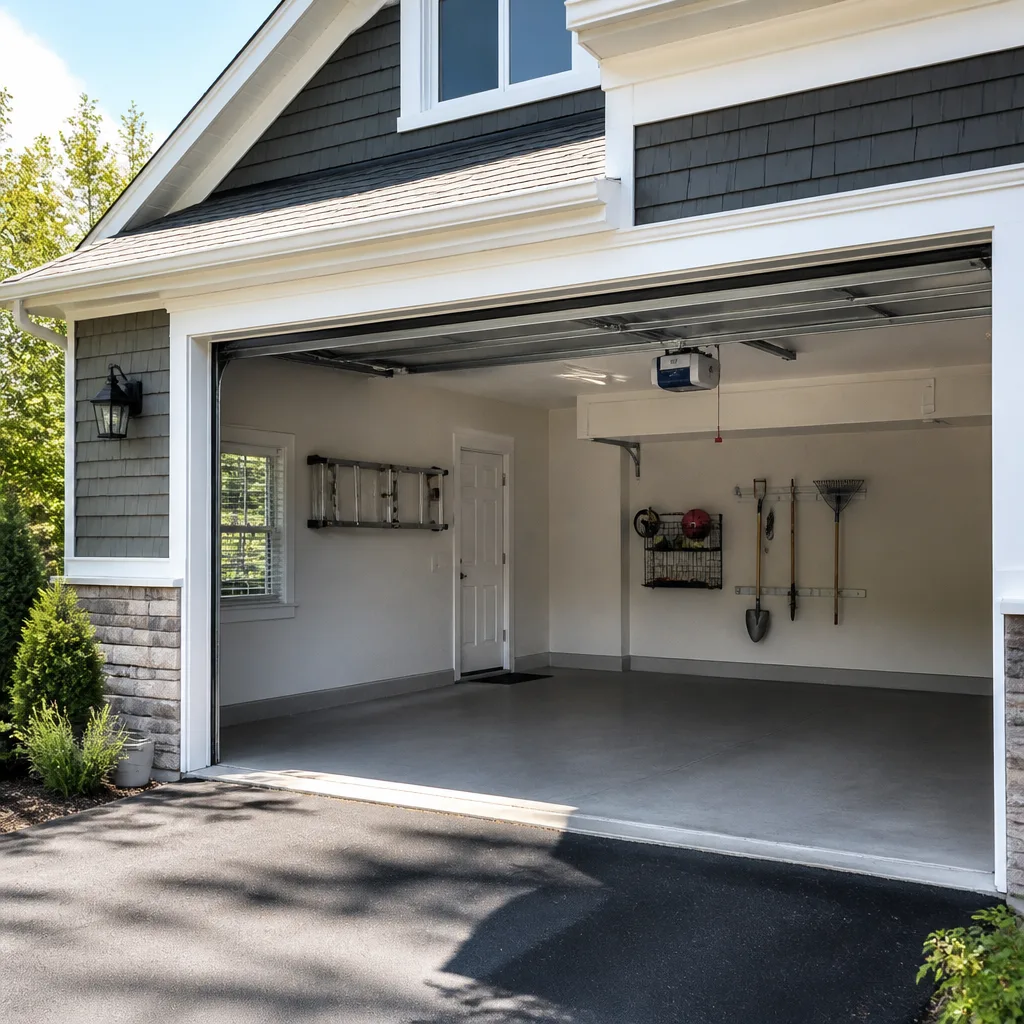 Chamberlain openers
Full 25-point door and opener safety check with every visit - springs, cables, rollers, tracks, and your LiftMaster or Chamberlain opener included
You get a price before we start. It does not change when the pro arrives.
Get your free estimateDIY vs Professional Garage Door: The Concord Homeowner’s Decision Guide
Most homeowners who get hurt working on a garage door thought of themselves as careful people. That’s the part worth understanding before anything else. The DIY-versus-professional question for garage doors isn’t a test of how handy you are. It’s a question of which specific tasks carry mechanical risk that multiplies the moment an inexperienced hand touches them, and which ones are genuinely yours to handle. Get that line wrong in either direction and you either overpay for a job you could have done in twenty minutes, or you end up on a ladder holding a tool against a spring that’s storing enough energy to break a bone. This guide draws the line precisely for Concord homeowners, task by task, with the real trade-offs on labor, parts, warranty, and permits.
Quick Answer
For a Concord homeowner, the safe DIY garage door tasks are lubrication, photo-eye alignment, bottom seal replacement, and minor track adjustment. Everything involving tension – torsion or extension springs, cables, drums, and the lift mechanism itself – belongs to a trained technician because a fully wound spring releases its stored energy instantly and without warning. Opener installation sits in a gray zone: technically doable, but complex enough on the wiring and mechanical side that one mistake can void a manufacturer warranty and damage the motor, so most homeowners are money ahead by having it done.
Styles & brands we work with
- Raised-panel steel
- Carriage house
- Modern flush
- Full-view glass
- LiftMaster openers
- Chamberlain openers
Table of Contents
- What the DIY versus professional question is really about
- The task map: what’s safe for you and what isn’t
- Why springs and cables leave the DIY list entirely
- The real cost comparison, task by task
- Openers: the gray zone between DIY and professional
- Concord permits and inspections for a DIY installation
- The one-repair-too-many problem
- How to decide in ten minutes
What the DIY versus professional question is really about
People ask whether they can fix their own garage door as if the answer were a single yes or no. It isn’t. A garage door is a system made of parts with wildly different risk profiles. A bottom seal is rubber you slide into a channel. A torsion spring is a tightly wound coil of steel holding tension that wants to unwind all at once. Treating those two things as the same category because both involve the door is where injuries and wasted money start.
Around Concord, we see two predictable mistakes. The first is a homeowner who’s comfortable enough with tools to be genuinely capable, and who pays a professional for a job that took more time to describe than to do. The second is a homeowner who reads a how-to, decides a spring swap “looks straightforward,” and finds out otherwise. The goal of this guide is to move you off both of those paths and onto the right one for each task in front of you.
There’s a second layer that most DIY write-ups skip entirely: what happens to your system long term. A repair that fixes the visible symptom can leave an underlying problem untouched, and on an older door that’s how a small fix turns into a full replacement sooner than it should have. We’ll cover that too, along with how to recognize when you’re already in that situation. If you’d rather read a broader field guide to the equipment itself first, our overview of Harbinger Garage Door Repair sets the stage.
What follows is organized the way a technician actually thinks about a job: sort the task, judge the risk, weigh the cost, then act. Read it once and you’ll be able to sort almost any garage door problem into “mine” or “call it in” without second-guessing yourself.
The task map: what’s safe for you and what isn’t
The cleanest way to answer the DIY question is a task map. Group every common garage door job into one of three buckets – safe for a prepared homeowner, gray zone, and professional only – and the decision becomes mechanical instead of emotional. Here’s where the major jobs land.
Safe for a prepared homeowner:
- Lubrication. A couple of times a year, a garage door benefits from a proper garage-door lubricant on the hinges, rollers, and the opener’s chain or screw drive. It’s the single cheapest thing you can do to extend the life of the hardware, and it’s completely within reach.
- Photo-eye alignment. If the door reverses for no obvious reason, the safety sensors at the bottom of the tracks are the usual suspect. Straightening them, cleaning the lenses, and checking that the indicator lights are steady is a ten-minute job for almost anyone.
- Bottom seal replacement. The rubber seal along the bottom of the door keeps weather and pests out. It slides or nails into a channel and needs no tension tools. A stiff door in cold weather is often just a worn seal.
- Minor track adjustment. A track that’s been tapped lightly and is slightly out of plumb can sometimes be nudged back with basic hand tools. A track that’s badly bent is a different story and belongs in the professional bucket.
- Cleaning and visual checks. Wiping down panels, clearing debris from the tracks, and looking for frayed cables or worn rollers is maintenance, not repair, and it’s yours.
The gray zone:
- Opener installation. A new opener needs to be mounted, wired, and paired with the door’s balance. It’s done, but the margin for error is thin, and a mistake can cost more than the labor saved. We’ll go deeper on this below.
- Roller replacement. Swapping rollers is simple when the door is balanced and the springs are under tension correctly, and hazardous when they aren’t. If you’re unsure of the tension state, treat it as professional.
- Replacing a remote or keypad. Programming a new remote on a Genie or similar system is usually a homeowner task. Diagnosing why a remote that used to work suddenly doesn’t is often not.
Professional only:
- Torsion and extension spring replacement. Covered in its own section, because the danger here is real and immediate.
- Cable replacement. Cables are under tension and can whip when they fail. Not a DIY job.
- Drum, bearing, and cable-tension work. All of it interacts with spring tension and requires the door to be properly de-tensioned first.
- Panel replacement on a damaged door. New panels on a Clopay or Amarr door need to match the model and the door’s structural loading. Skill work, and the fit matters.
- Any job where the door won’t hold position. If the door drops when you let go of it halfway up, stop and call. That’s a symptom the balance system has failed.
Why springs and cables leave the DIY list entirely
A wound torsion spring stores energy the same way a drawn bow does – quietly, and with a lot of it. That energy is what lifts a door that weighs a few hundred pounds with one hand. When a spring reaches the end of its life, it doesn’t fail gradually. It releases what it’s holding in an instant, and the metal can move fast enough to break a bone or worse. This is why a spring isn’t the kind of job where you “go slow and be careful.” The danger doesn’t depend on how cautious you are. It depends on the physics of the part.
A trained technician manages this with the right winding bars, the correct procedure for de-tensioning, and a practiced sense of how much tension a spring is carrying. Homeowners don’t have any of that from a how-to video, and the mistake most people make is underestimating the energy. If a spring is broken now, don’t try to open or close the door. The door is unbalanced, it can fall, and lifting a door without a working spring is a good way to hurt your back or worse. Call it in.
The same caution applies to cables, even though they look like simple steel rope. A cable under tension that lets go can whip the length of the garage, and the drums at the top of the tracks are held in place by that tension. Any repair that involves touching a cable starts with de-tensioning the springs, which puts you right back in the spring bucket. We treat broken cables, drums, and anything that has lost tension as a single professional-only category.
If you’re in Concord and the door is stuck open, stuck closed, or won’t stay up, that’s a call worth making today. Our team handles garage door repair as its daily work, and a technician who’s seen the failure before will diagnose it correctly on the first visit rather than guessing.
Our technicians have up to experience with these systems, and the number one thing they’ll tell you about spring work is that it isn’t a measure of courage. It’s a measure of knowing exactly how much energy the part is holding and how to release it safely. That knowledge is the whole job.
The real cost comparison, task by task
The cost comparison most homeowners run is “parts cost versus a service call,” and that comparison leaves out half the ledger. Labor time, parts markup, the value of your own weekend, and the warranty question all belong in the math. Here’s how the common tasks actually stack up.
| Task | DIY reality | Professional reality | Verdict |
|---|---|---|---|
| Lubrication | Cost of one can of garage-door lubricant, plus 15-20 minutes | Not worth a scheduled call on its own | DIY |
| Photo-eye alignment | Free, ten minutes with a screwdriver | Rarely needed unless the sensor itself has failed | DIY |
| Bottom seal replacement | Cost of the seal, plus an hour of your time | Small job, but easy to explain over the phone | DIY if the channel is intact |
| Minor track adjustment | Free or nearly so | Included with a larger repair visit | DIY if the bend is slight |
| Opener installation | Cost of the unit, plus several hours and the risk of a wiring error | Labor plus the unit, done and tested on site | Professional |
| Spring replacement (one) | Not advised at any price | Quoted per job by written estimate; matched pair usually replaced together at roughly twice a single spring | Professional only |
| Cable replacement | Not advised at any price | Quoted per job by written estimate | Professional only |
| Panel replacement | Fit and loading risk with any brand, from Clopay to Wayne Dalton | Quoted per job by written estimate | Professional only |
Two things on that table deserve attention. First, the safe DIY tasks are all low-cost in parts and low-risk in execution, which is exactly why they’re worth doing yourself. Second, the professional-only jobs don’t have a meaningful DIY price to compare against, because the “price” of doing them yourself is a hospital visit, not a dollar figure. Comparing a service quote to the cost of a spring you buy online isn’t a comparison at all, since the spring isn’t the labor.
On parts markup, be honest with yourself about what you’re paying for. A professional’s quote covers the part, the labor, the call, and the fact that the job is done correctly and stood behind. The difference in the part price alone rarely makes up for the time you’d spend sourcing it, fitting it, and discovering halfway through that it isn’t the right size for a Wayne Dalton or Amarr door. The written estimate is the price, agreed before any work starts, so there are no surprises on the invoice.
The warranty question is the part homeowners forget. Many manufacturer warranties on opener components and door hardware assume the work was done by a qualified installer or technician. A DIY repair that goes wrong can leave the covered component out of warranty, and that’s a cost that doesn’t show up on the receipt for months. If a part is still under a manufacturer warranty, spending a little time on the phone before you touch it is worth it.
Openers: the gray zone between DIY and professional
An opener installation is the one job where a capable DIYer can genuinely argue the case, and also the one where the argument most often loses. On the mechanical side, the opener has to be mounted securely to the ceiling structure, the rail has to align with the door’s travel, and the door’s balance has to be correct before the opener ever pulls it. On the electrical side, the unit has to be wired correctly to its power source and its safety reversal system has to be tested and working.
That’s where the gray zone bites. One miswired connection can damage the motor or its control board, and a manufacturer may treat that as an installation error that isn’t covered. So the DIY savings on a $300 job can disappear the moment a $200 board has to be replaced. Modern smart-platform openers from LiftMaster and Chamberlain add app pairing and network setup to the job, which is another step where a missed instruction means the opener works but the smart features don’t.
Legacy mechanical systems from Craftsman and Raynor are simpler to wire in one sense, but they often live on older doors where the balance and the track condition need attention first. In our experience, installing a new opener on a poorly balanced door just makes the door fail faster. If you’re replacing an opener on a door that’s fifteen or twenty years old, that’s the moment to have a technician look at the door itself. A new opener is a good time to renew the whole system rather than bolt new electronics onto tired mechanics.
If you’re diagnosing a problem rather than installing, the calculus changes. An opener that hums but doesn’t move, a remote that quit, a chain that slips – those are diagnosis problems, and a technician who already knows your brand will pin it down fast. Our garage door opener repair service covers both smart-platform and legacy mechanical systems, because both still turn up in Concord garages every week.
Concord permits and inspections for a DIY installation
Homeowners often assume that because they’re doing the work themselves, no permit is needed. That’s not how it works. Whether a permit is required depends on what the work involves, and the only reliable source is the city’s own building department. For a garage door installation, the questions worth asking them directly are whether a permit is required for the electrical work on the opener, whether the installation itself needs one, and what the inspection looks for.
When an installation does go through inspection, the inspector is checking the things that make the door safe rather than the things that make it look good. The list usually comes back to a few fundamentals:
- The door’s balance. A properly balanced door stays where you leave it when moved by hand, and a helper can lift it easily.
- The safety reversal. The opener’s contact reversal and the photo-eye safety system have to work, and they’ll be tested.
- The mounting and attachment. The opener and its rail have to be solidly attached, with the door hardware secure.
- The electrical work. Wiring has to be done to code, which for many homeowners is the point at which a licensed electrician or the installing technician should be involved rather than the homeowner alone.
It’s also worth knowing how the local climate interacts with the door. Concord’s mix of hot, humid summers and occasional cold snaps works on seals, hinges, and opener components year-round, and the wood or composite trim around a garage opening can swell and shift with the seasons. That’s why an installation that gets signed off in a dry week can start dragging by the following summer if the track was set with no allowance for movement. A technician who installs in Concord regularly knows how to set the hardware for the local conditions, and that’s part of what you’re paying for.
The practical recommendation: call the city building department before starting a DIY installation and ask what the job requires. If you’re not sure whether the opener wiring counts as electrical work that needs a licensed hand, that’s a strong signal the job belongs with a professional. A permit question you can’t answer confidently is a permit question you shouldn’t answer by guessing.
The one-repair-too-many problem
Here’s a pattern that shows up in a lot of Concord garages. A homeowner fixes a squeak, then a seal, then a roller, then a sensor, and each fix works for a while. The door keeps going. The repairs add up. Eventually the door fails in a way that points back to a structural problem that’s been developing underneath all those small fixes, and the fix list looks like it should have been a replacement three repairs ago.
That’s the one-repair-too-many scenario, and it’s worth knowing the warning signs. A technician walking up to a door sees them in about thirty seconds. You can learn to see them too.
- Repeating repairs on the same part. If the same roller, hinge, or sensor keeps failing, the cause is upstream of the part.
- A door that’s gotten heavier. If lifting the door by hand takes more effort each year, the balance system is degrading, and the opener is carrying a load it wasn’t designed for.
- Visible sag or a bowed top panel. Structural wear in the door itself. Once the frame is bending, repairs only buy time.
- Rattles and bangs that weren’t there before. Loose or worn hardware is telling you the whole system is aging, not just the one part that’s loudest.
- Rust or bubbling paint along the bottom edge. Corrosion that starts at the bottom of the door is slow, invisible damage that shortens the panel’s life.
When you start seeing two or three of these together, the wise move is to stop repairing and get an assessment of the whole system. That’s the point where a technician can tell you honestly whether the next repair is worth it or whether you’re standing in front of a door that’s at end of life. We handle both cases, which is part of what makes the assessment useful – there’s no incentive in the conversation to push toward one answer or the other. When the time does come to replace the door, our Concord installation service covers the major panel brands like Clopay, Amarr, and Wayne Dalton, so you’re not starting over with a new provider.
The anticipatory posture is easy to describe and hard to practice: catch small issues before they become expensive ones. A door that’s maintained gets replaced on a planned schedule, on your terms, with time to compare options. A door that’s ignored gets replaced at the worst possible moment, after a failure, with no time to think.
How to decide in ten minutes
If you don’t want to memorize the whole guide, run this ten-minute check on any garage door problem before you decide what to do.
- Is the task on the safe list? Lubrication, sensor alignment, bottom seal, minor track nudge, cleaning. If yes, do it yourself.
- Does the task involve tension? Springs, cables, drums, drums’ bearings. If yes, stop and call. No exceptions.
- Is the door balanced? Disconnect the opener and lift the door by hand halfway up. If it stays put without help, the balance is reasonable. If it drops, stop. Professional.
- Is a manufacturer warranty still active on the part? If yes, ask the manufacturer what a DIY repair does to it before you touch it.
- Does installing the part require the door to be safe to work on? Nearly every hardware repair assumes a balanced door. If it isn’t balanced, professional first.
- Is the electrical side involved? Opener wiring, smart features, control boards. Gray zone at best, professional at worst.
- Are you seeing one-repair-too-many warning signs? Two or more of the signs in the previous section means stop fixing and get an assessment.
- Can you describe the problem in one clear sentence? If you can, a phone call will get you a fast answer. If you can’t, that’s another signal to have someone look at it.
Run that list and you’ll know whether you’re looking at a maintenance task or a job worth calling in. Most Concord homeowners end up with a clear answer in a couple of minutes, which is the point.
Common Mistakes to Avoid
- Assuming a how-to video captures the risk. Videos show the motion of a spring replacement, not the stored energy released when it goes wrong. Watch for information, but don’t treat the video as training.
- Painting over a worn bottom seal instead of replacing it. Paint can’t bridge a split, and a worn seal lets in moisture that quietly damages the bottom panel. A rubber seal is a small repair; a rotted panel is not.
- Bending a track back by force. A track that’s been badly kinked has lost its shape and its alignment. Forcing it back can throw off the door’s travel and shorten the life of the rollers. A slight knock gets a slight adjustment; anything more gets a professional look.
- Ignoring a door that’s gotten heavier. A door that needs two hands instead of one is unbalanced, and the extra weight is beating up the opener every cycle. Deal with the balance before you replace the opener.
- Installing an opener without testing the safety reversal. The safety system is the whole reason a modern opener is safe. Testing it after installation is not a box to tick, it’s the point of the install. A professional will do it as part of the job.
- Buying a part by brand alone. A roller or sensor for a Genie opener or a Clopay door has to match the model, not just the brand. Buying the wrong part is how a routine repair becomes a return trip.
- Skipping the city building department question on a DIY install. Concord’s building department can answer permit and inspection questions over the phone, and it’s the only authoritative answer. Ten minutes on the phone beats a failed inspection.
See the difference
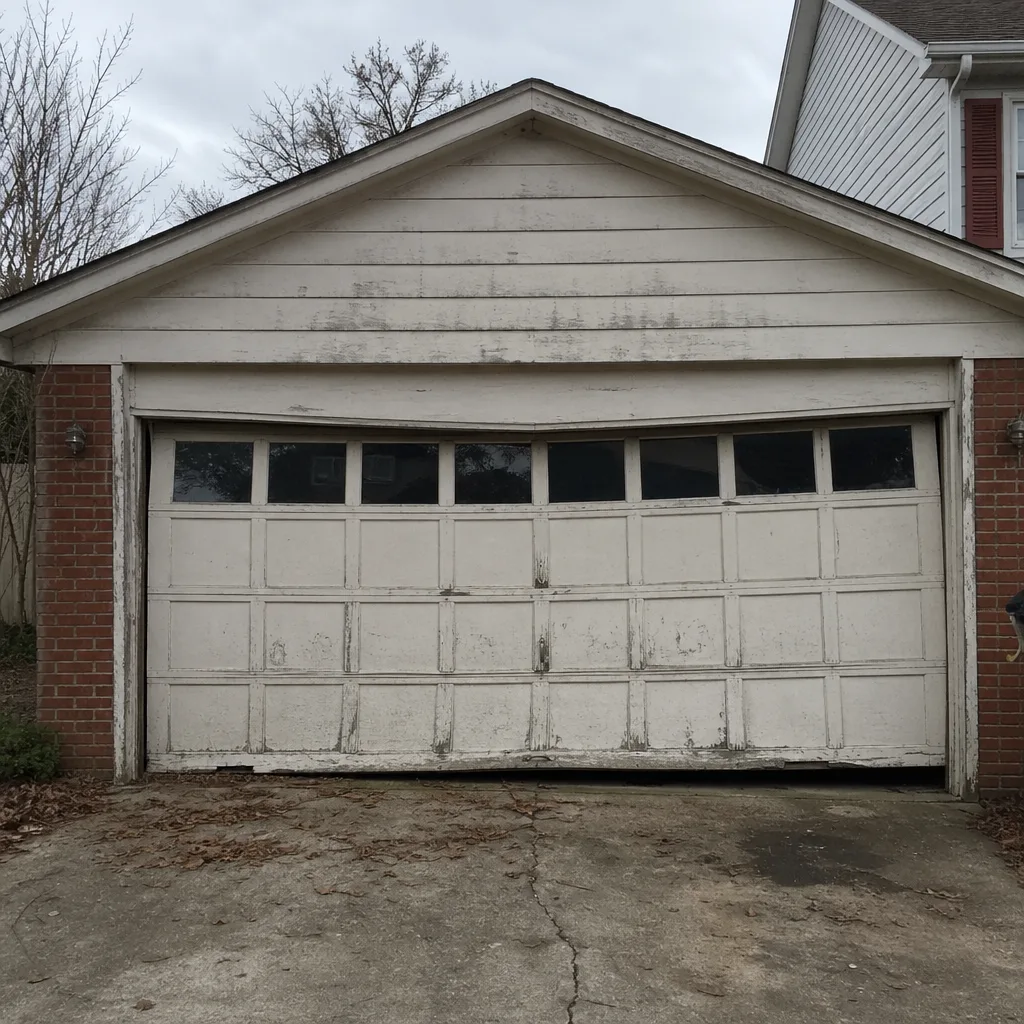 Before
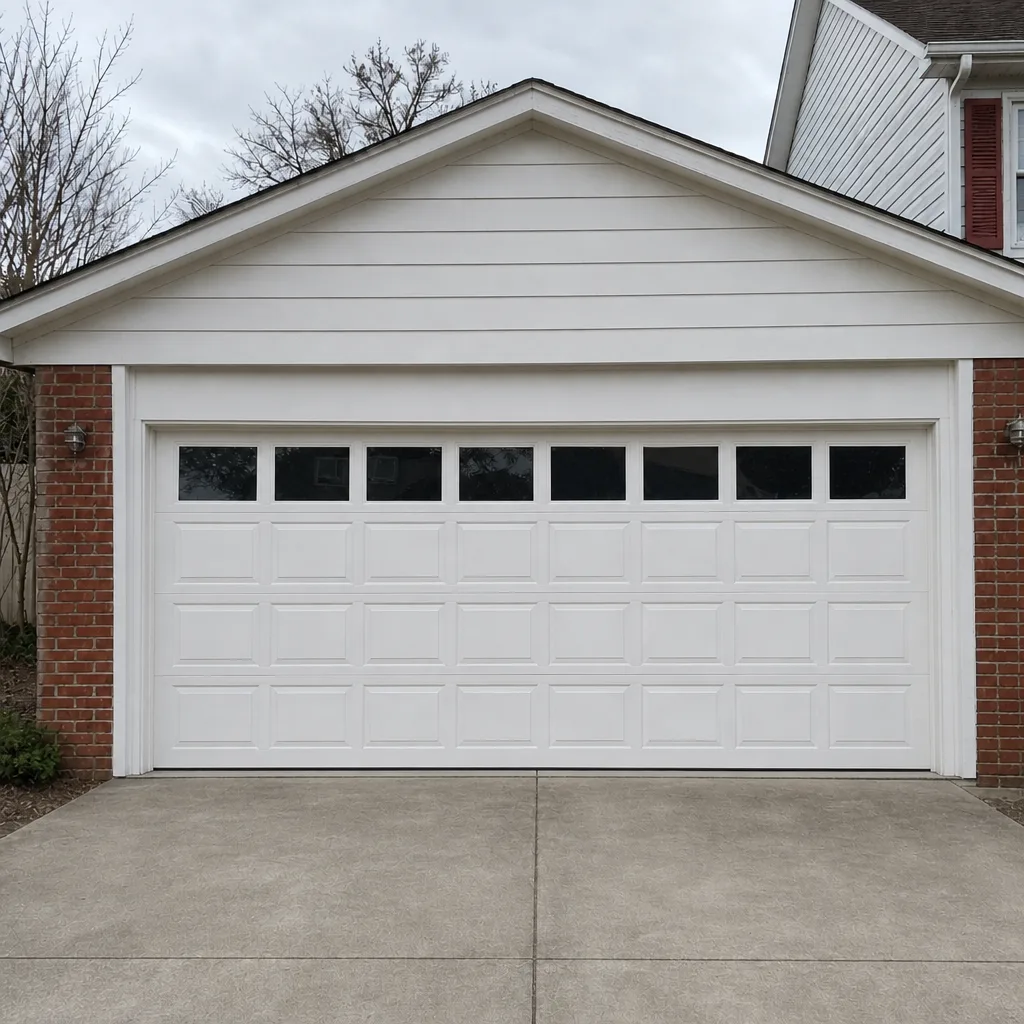 After
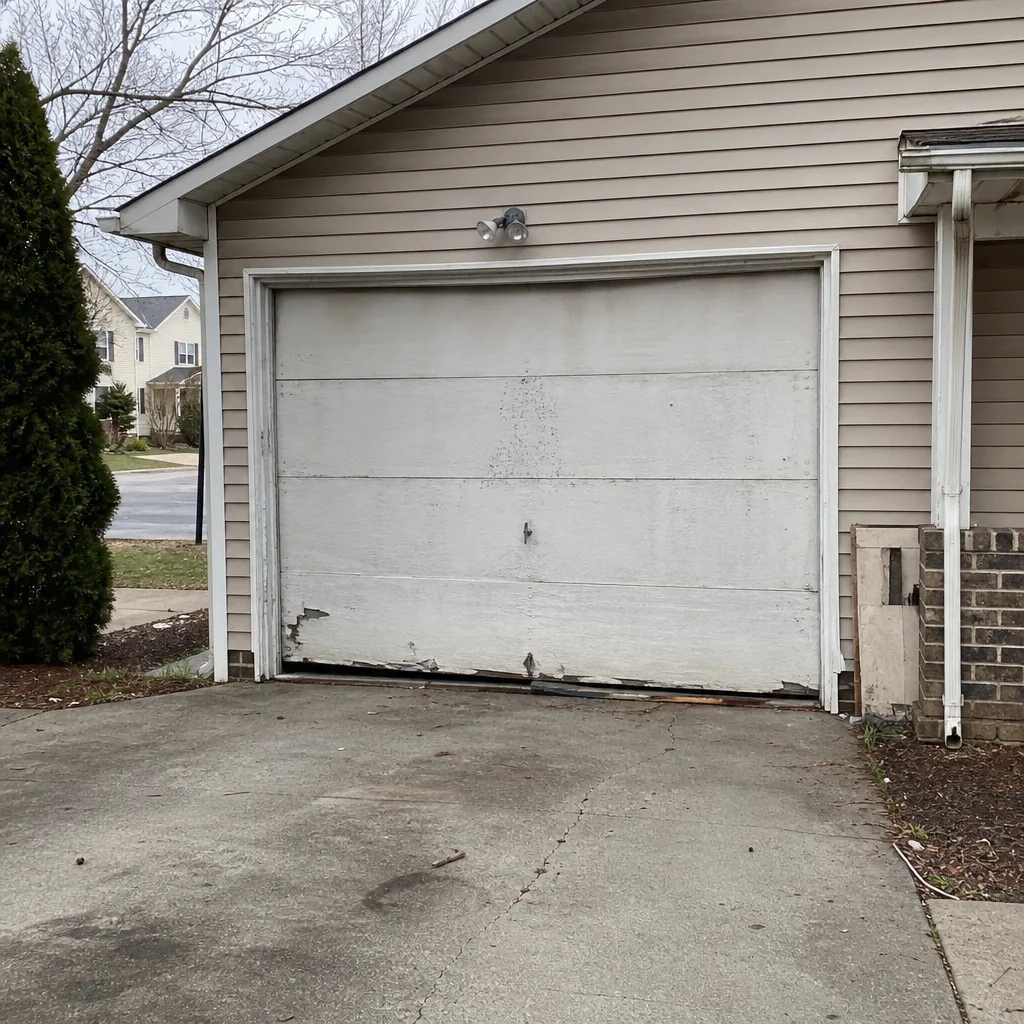 Before
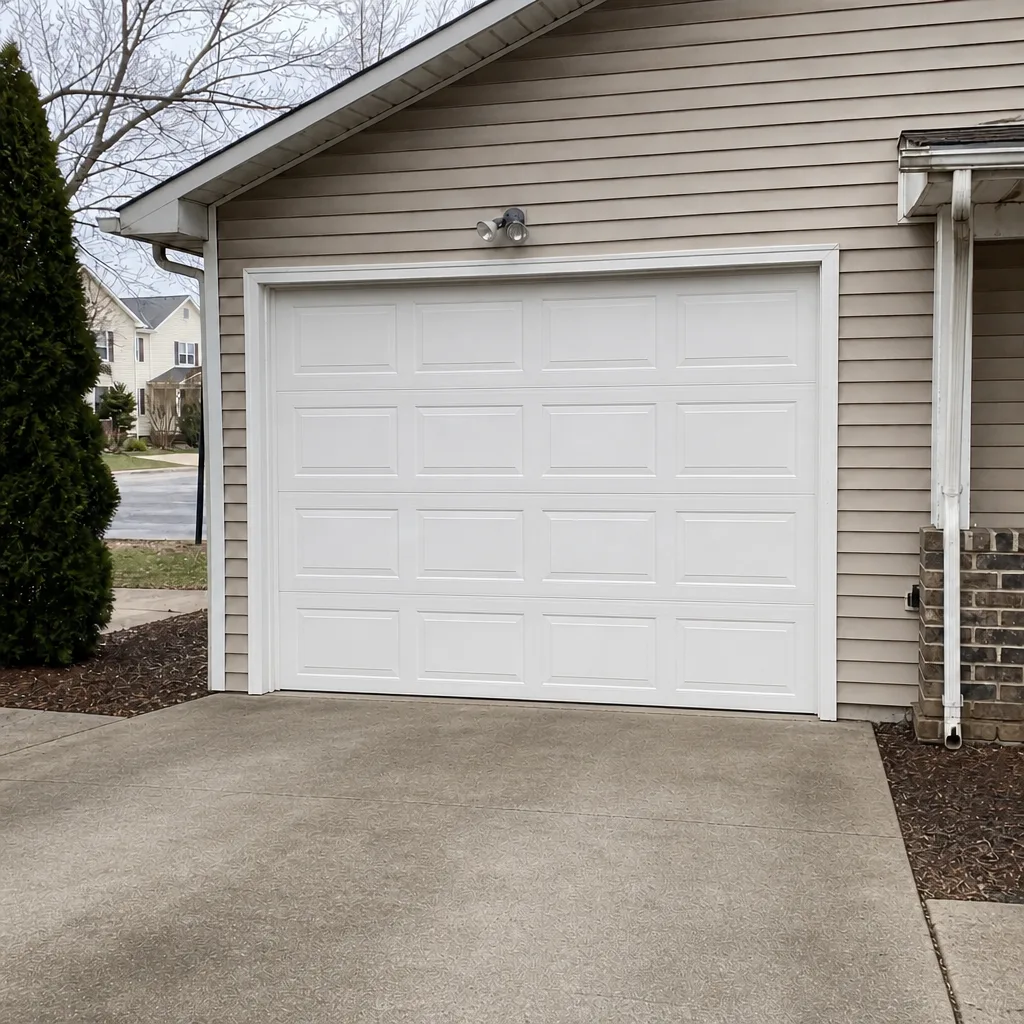 After
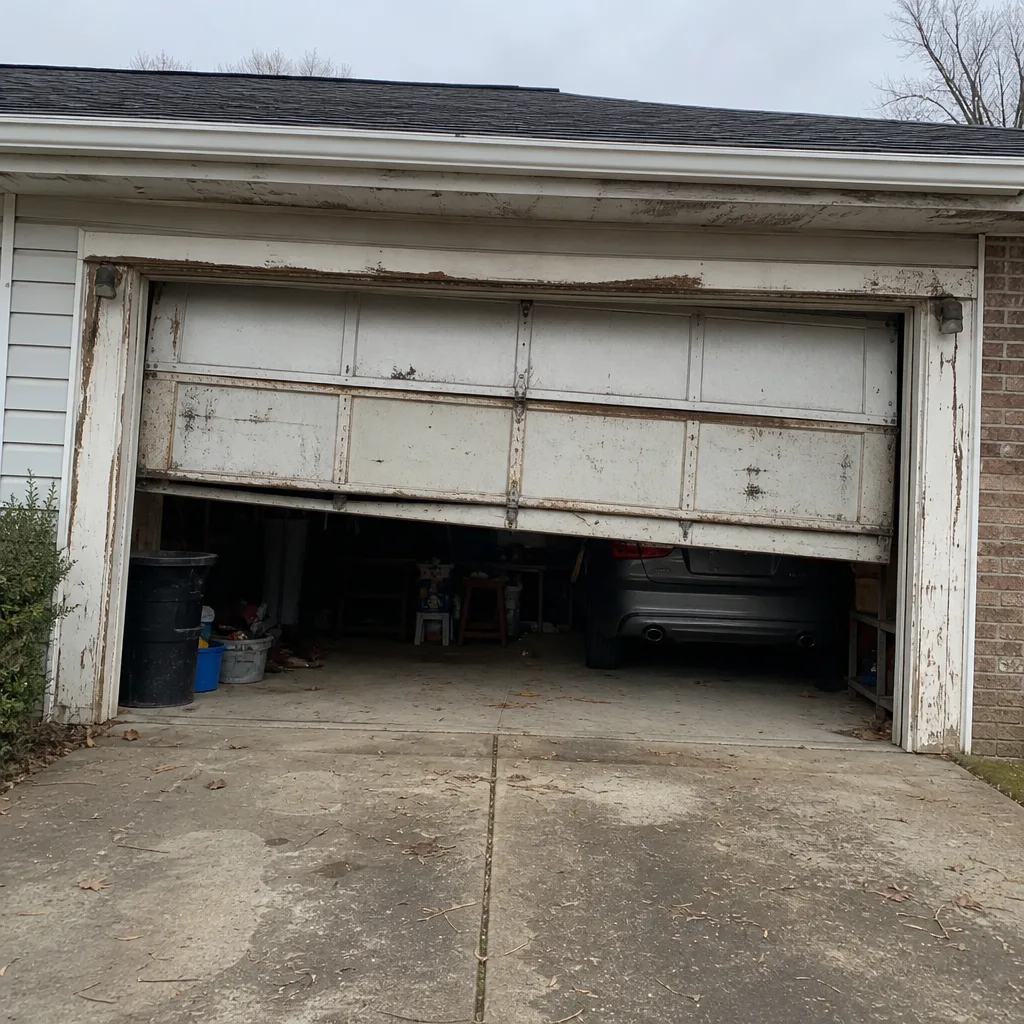 Before
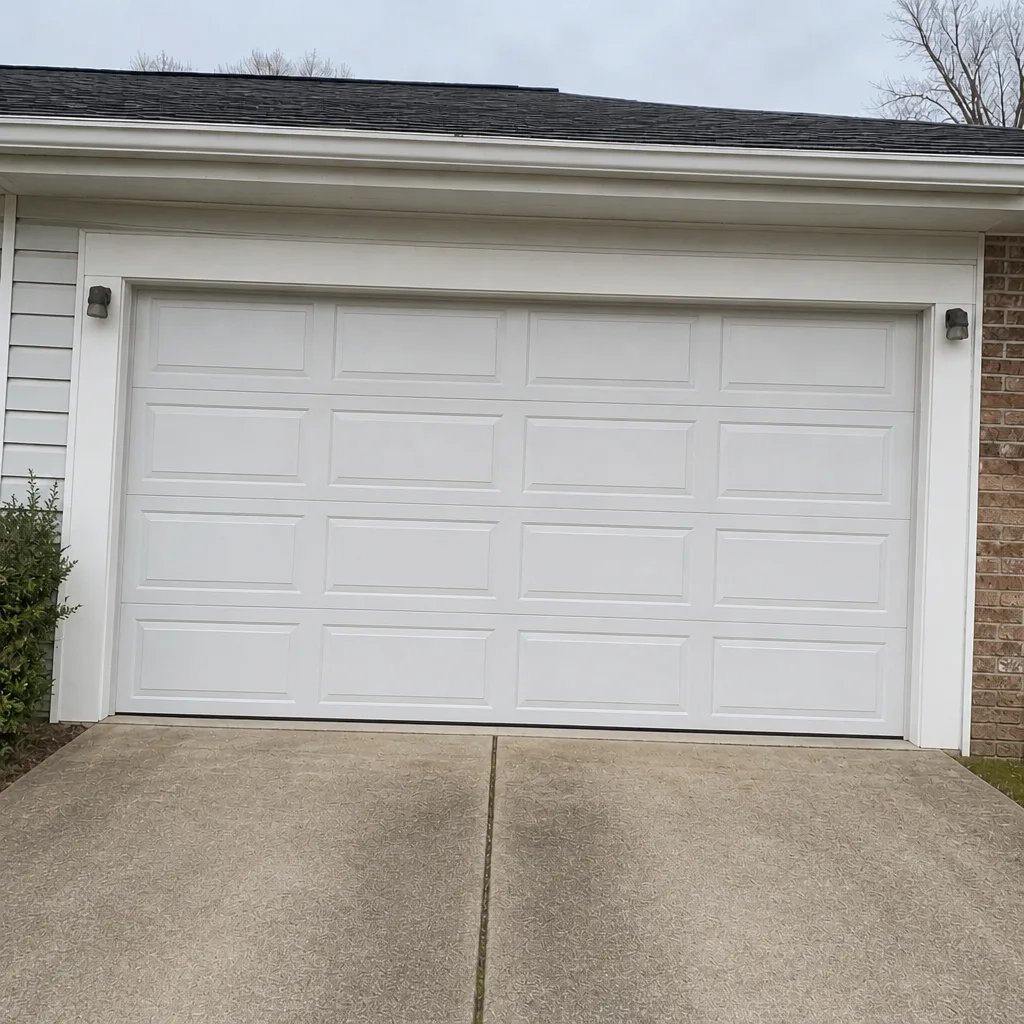 After
When to Call a Professional
Call a professional whenever the task involves spring tension, cables, drums, or balancing the door, and whenever the door won’t hold position when lifted by hand. Call if a repair has been attempted and the door is now stuck or unsafe. Call if a manufacturer warranty is still active and you’re unsure what DIY work does to it. Call if you’re installing an opener and can’t confidently wire it to code and test the safety reversal. And call if you’re seeing two or more of the one-repair-too-many signs, because that’s an assessment, not a repair, and it’s better to find that out now than after the door fails.
Harbinger Garage Door Repair offers free estimates in Concord – call (866) 942-7643. We answer 24/7. Fast dispatch from 7am to 7pm, Sunday through Friday. The price is set per job by the written estimate, agreed before any work starts.
Frequently Asked Questions
No. Garage door springs store enough energy to cause serious injury the moment they release, and the release is instantaneous, not gradual. This is the single task we’d steer any homeowner away from regardless of experience. A technician de-tensions the spring with the proper tools and the correct procedure. Call (866) 942-7643 for a callout and a written estimate – the estimate is free.
Lubrication, photo-eye alignment, bottom seal replacement, minor track adjustment, and basic cleaning and visual inspection are all within reach of a prepared homeowner. These tasks involve no stored tension and no complex wiring. If you’re unsure whether a task is on that list, call (866) 942-7643 and we’ll tell you straight.
Permit requirements vary by scope, and the only reliable answer for your job is to ask Concord’s building department directly. A call to them before you start will tell you what documentation and inspection the work requires. An inspection will typically check the door’s balance, the safety reversal, the mounting, and the electrical work. For a free assessment of what your installation involves, call (866) 942-7643.
It can. Many manufacturer warranties on opener components and control boards exclude damage from incorrect installation, and one miswired connection may be enough to trigger that exclusion. Check with the manufacturer before you install. If you’d rather not take the chance, call (866) 942-7643 for a written estimate – free, and agreed in writing before start.
If you’re seeing two or more of the one-repair-too-many signs in this guide – repeating repairs on the same part, a door that’s gotten heavier, visible sag, new rattles, or rust at the bottom edge – it’s time to assess the whole system rather than repair another part. Call (866) 942-7643 and we’ll diagnose it correctly the first time.
Yes, same-day service is available, and our technicians have up to experience diagnosing the common failure types. If your door fails on a Saturday, call and we’ll book you in for Sunday. Call (866) 942-7643. We answer 24/7. Fast dispatch from 7am to 7pm, Sunday through Friday. The estimate is free and the price is set in writing before any work begins.
The Bottom Line
The DIY-versus-professional decision for a Concord garage door isn’t about whether you’re handy. It’s about which tasks carry stored energy and which don’t. Lubrication, sensor alignment, bottom seals, and slight track nudges are yours to handle, and they’re worth doing. Springs, cables, drums, and balance work are professional only, because the risk is in the physics of the part, not the skill of the homeowner. Opener installation lives in a gray zone where the wiring and warranty risk usually tip the math toward a professional. And on an aging door, the smartest call is the one that stops repairing and starts assessing, before the failure chooses the timing for you.
If you’re unsure which side of the line your job falls on, that’s a two-minute phone call. Call (866) 942-7643 for a free estimate. We answer 24/7. Fast dispatch from 7am to 7pm, Sunday through Friday. The price is quoted and agreed in writing before any work starts, so you know exactly what the job costs before a tool comes out of the case.
Written by the team at Harbinger Garage Door Repair.