
Last updated November 15, 2026
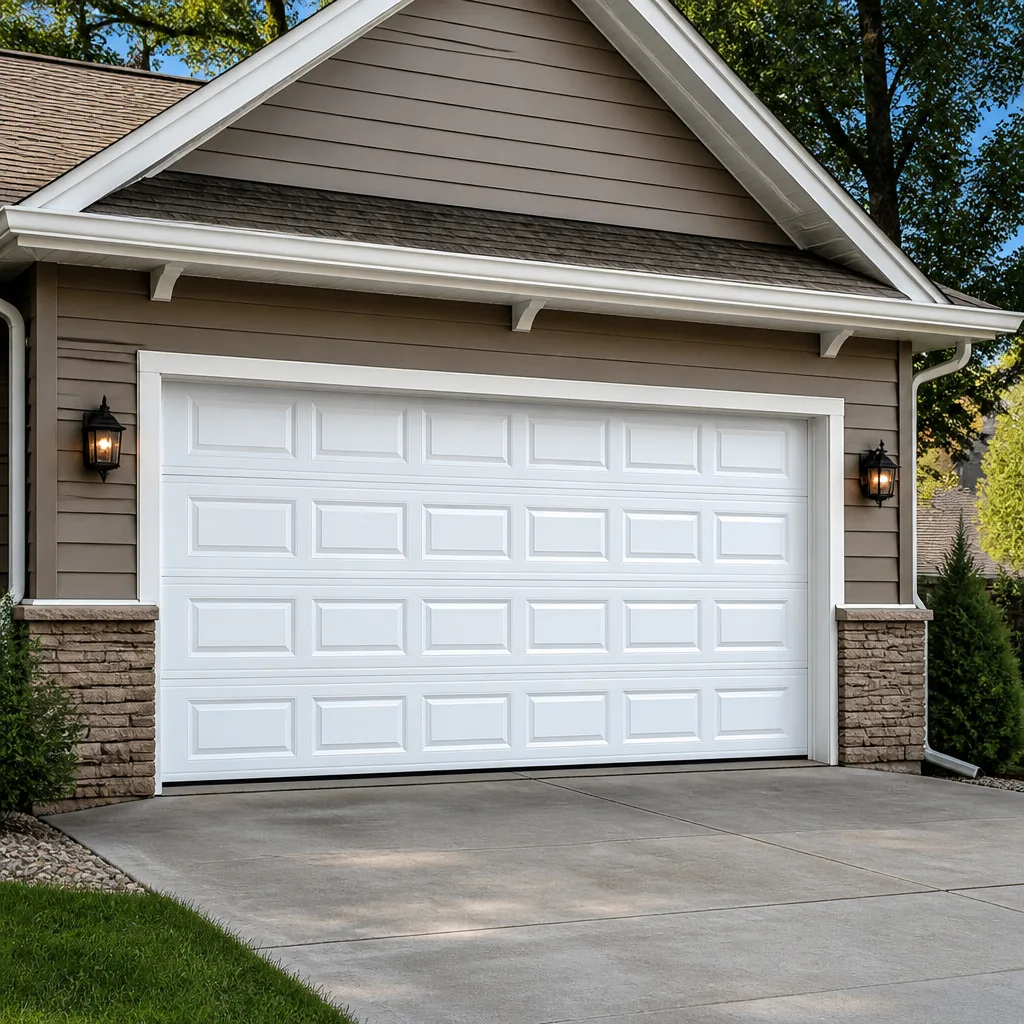 Raised-panel steel
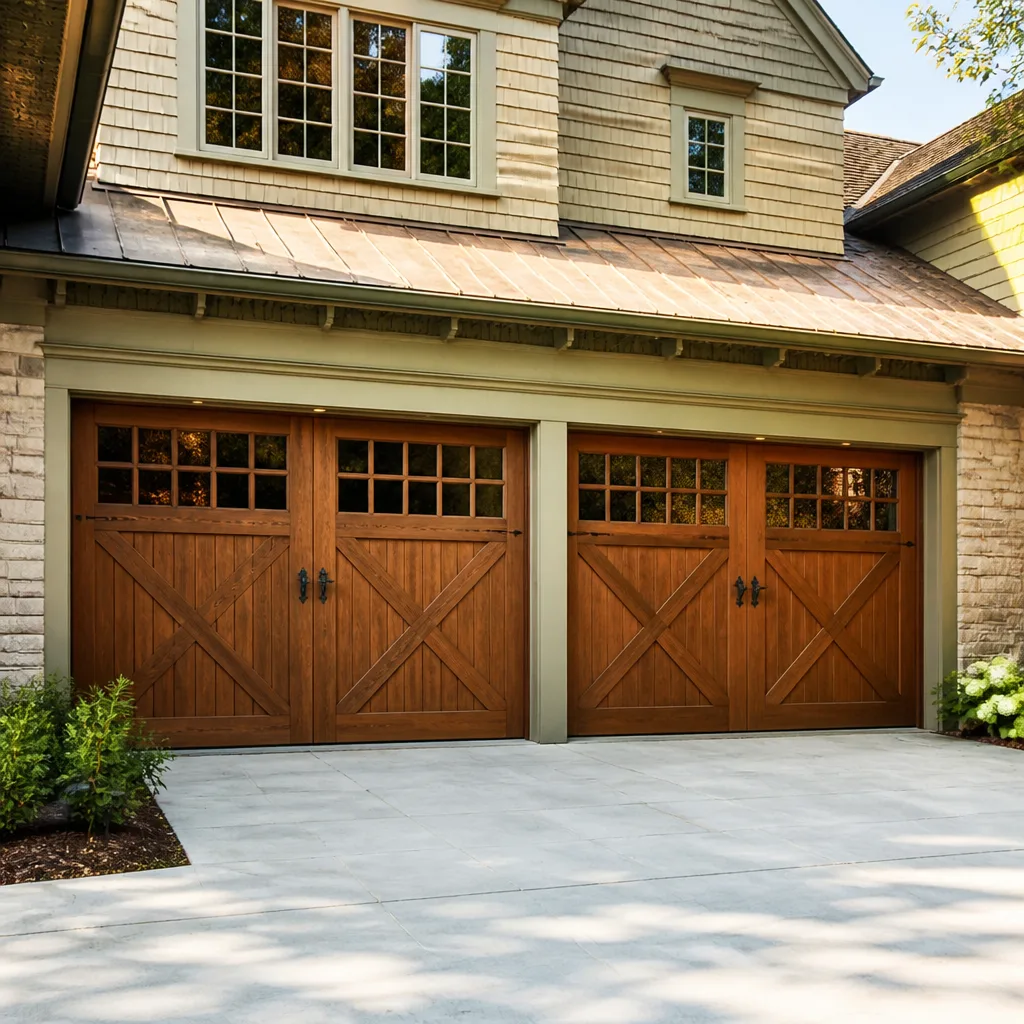 Carriage house
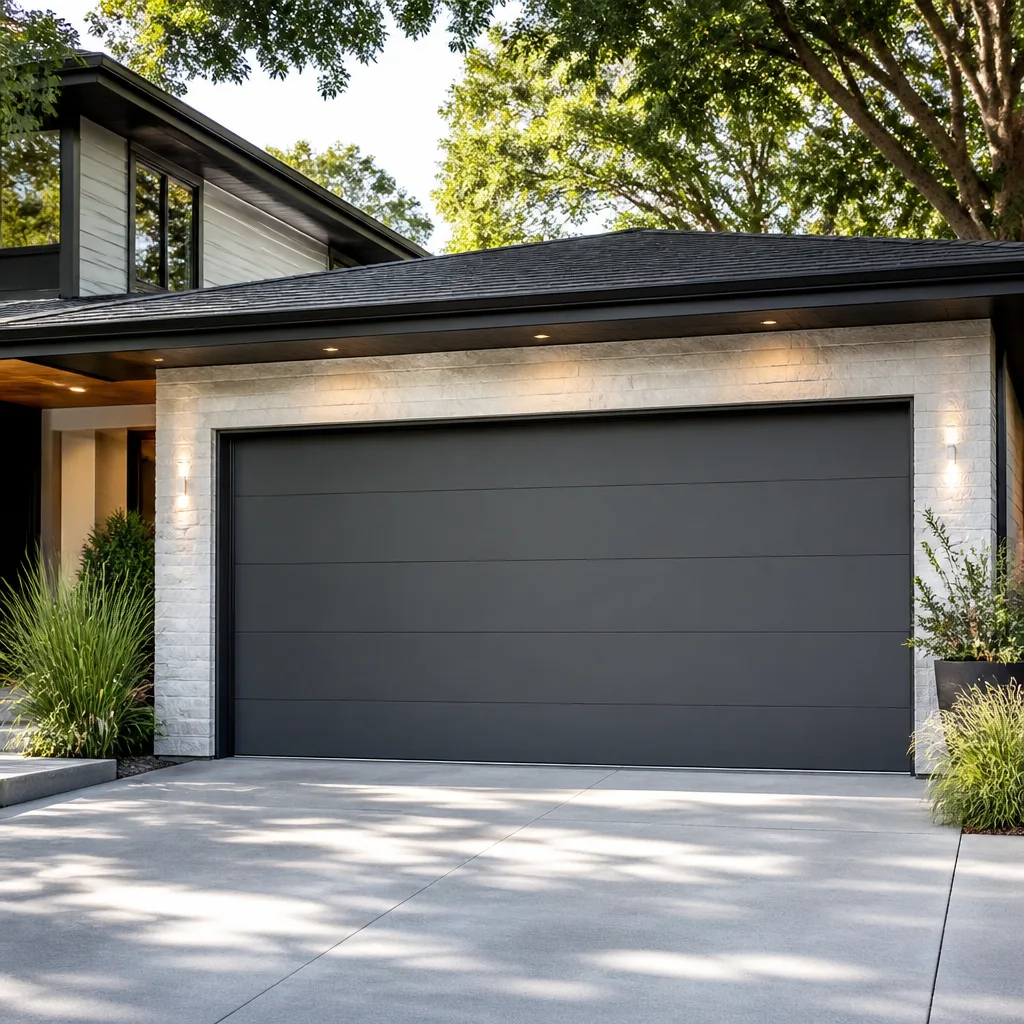 Modern flush
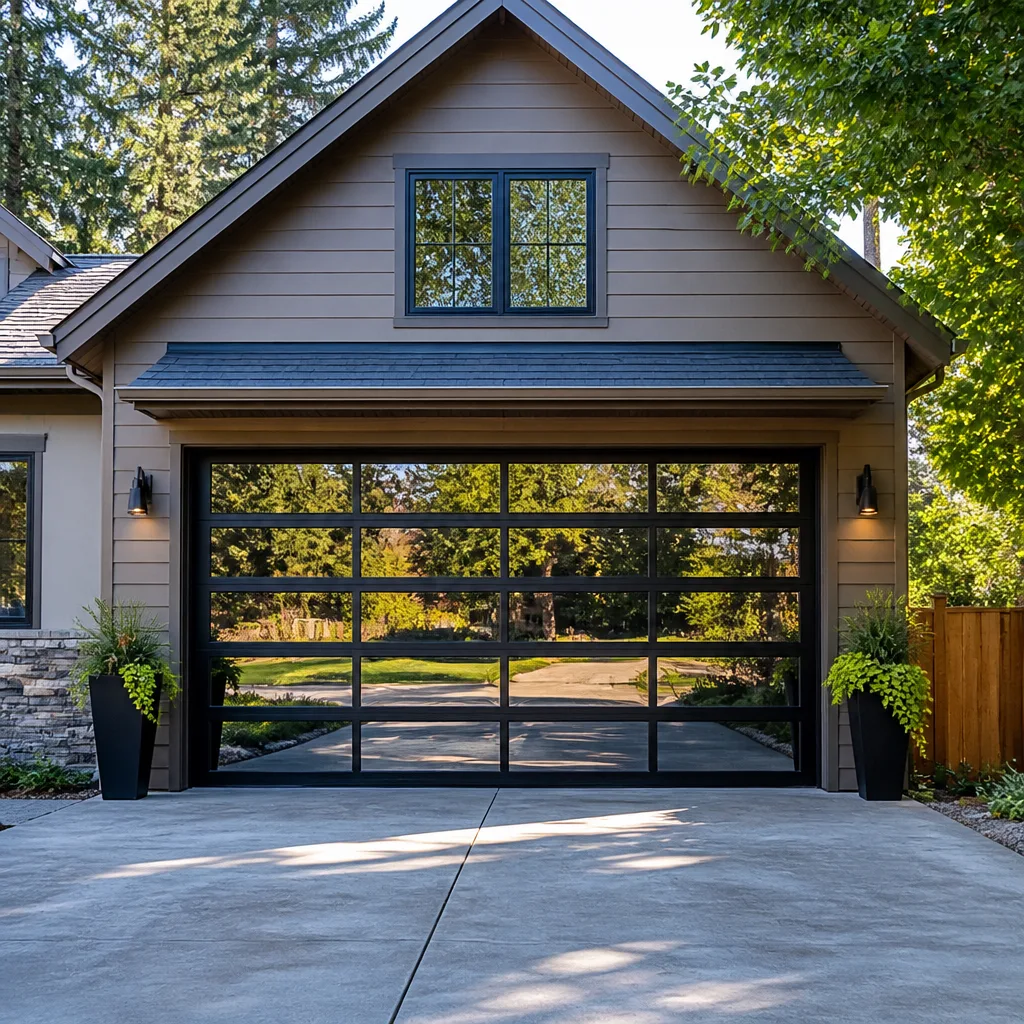 Full-view glass
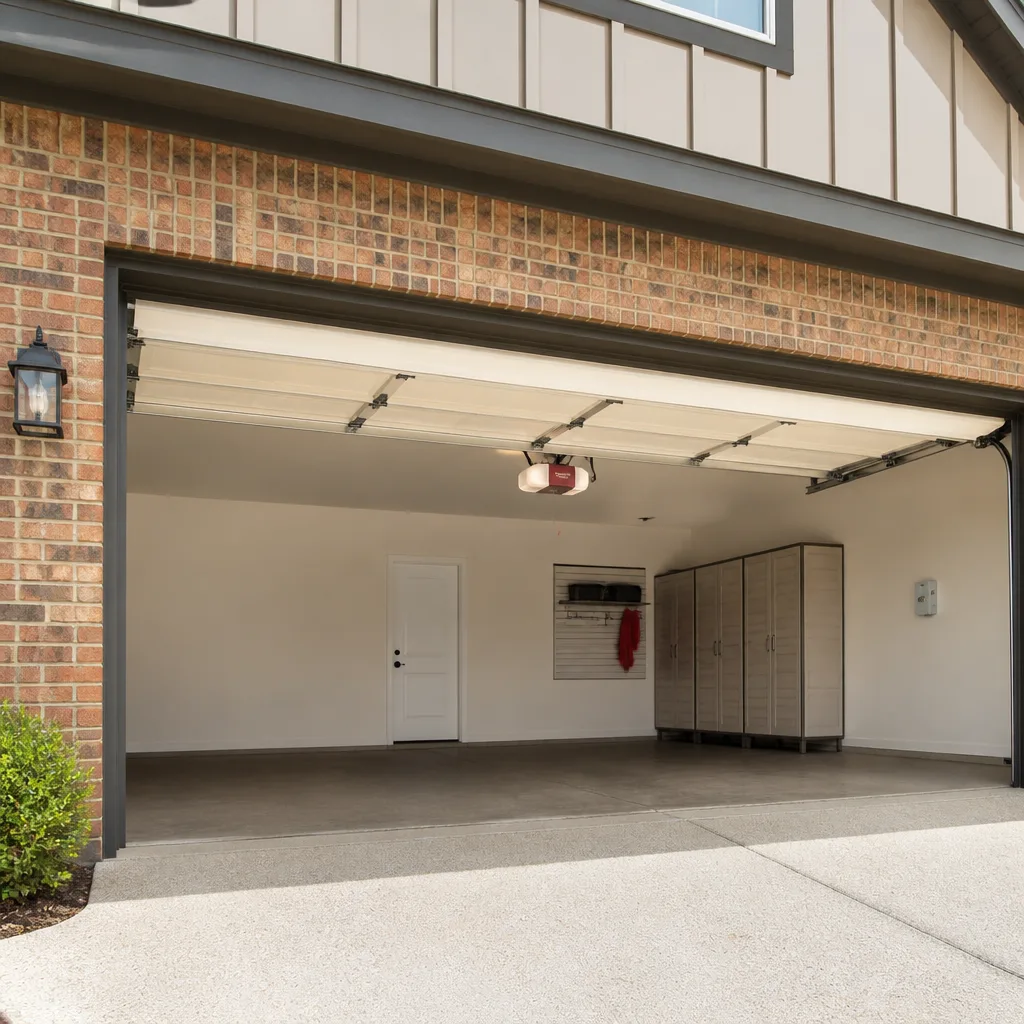 LiftMaster openers
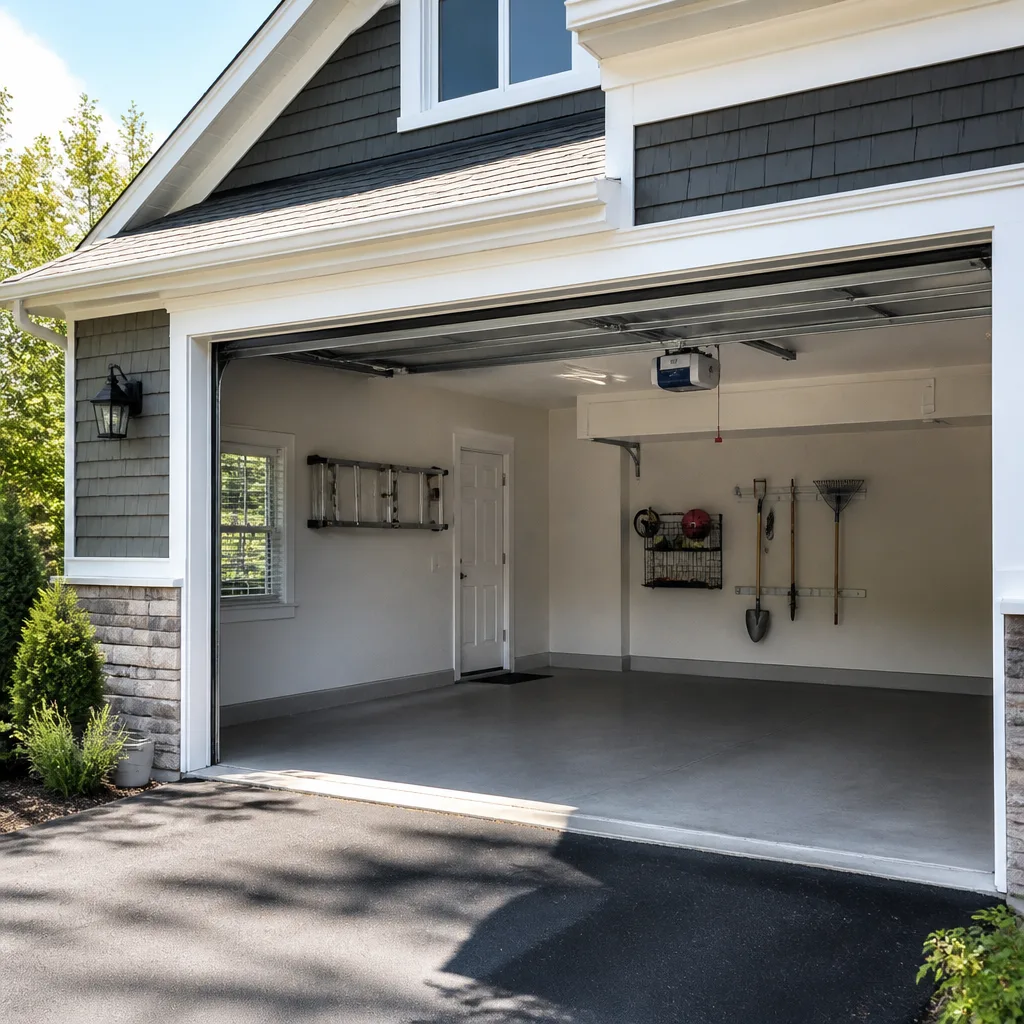 Chamberlain openers
Full 25-point door and opener safety check with every visit - springs, cables, rollers, tracks, and your LiftMaster or Chamberlain opener included
You get a price before we start. It does not change when the pro arrives.
Get your free estimateSeasonal Garage Door Care for Concord: Year-Round Homeowner’s Guide
Most garage door maintenance advice is written for a place that has four tidy seasons. Concord doesn’t work that way. We get a long stretch of humid heat, a short and sharp cold window, and two mild shoulder seasons that quietly do more for the door’s lifespan than anything you do in July or January. The common mistake is treating spring cleaning as the big maintenance moment and skipping fall entirely. In our experience, the calls that spike after the first hard freeze are almost always the ones a two-hour October checklist would have prevented. This guide lays out what to do in each window, in the order the Concord climate actually demands it.
Quick Answer
In Concord, the highest-value garage door maintenance happens in fall, before the first freeze, followed by a short post-winter inspection in early spring. Summer is the season to watch for humidity damage on wood and steel, and winter is when freeze-related sticking and seized parts show up. Clean and lubricate in October, check the bottom seal and rollers after winter, and adjust opener force settings as the seasons change.
Styles & brands we work with
- Raised-panel steel
- Carriage house
- Modern flush
- Full-view glass
- LiftMaster openers
- Chamberlain openers
Table of Contents
- Why Concord’s Climate Breaks the Four-Season Rule
- Spring: Post-Winter Inspection
- Summer: Humidity, Seams, and Seals
- Fall: The Highest-Leverage Window of the Year
- Winter: Freeze-Related Failures and How to Handle Them
- Seasonal Opener Force Settings: The Step Most Homeowners Miss
- Brand-Specific Notes: Craftsman, Raynor, Amarr, and Wayne Dalton
- Common Mistakes to Avoid
- When to Call a Professional
Why Concord’s Climate Breaks the Four-Season Rule
Concord averages 212 days above 70°F. It also sees enough nights below freezing each winter to matter, and that combination is what shapes garage door wear here. There isn’t a long, gradual cool-down. There’s a hot stretch, then a quick cold stretch, then a moderate stretch. The transitions happen fast, and the door components feel that speed.
What actually degrades a garage door in this climate falls into two categories:
- Heat and humidity wear: Lubricant thins and migrates, weatherstripping softens and pulls away from its track, and any steel or composite panel with an exposed seam takes on moisture that stays put until the air dries out.
- Freeze and thaw wear: Rollers that haven’t been lubricated in months seize when temperatures drop. Springs under tension behave differently in cold. Rubber seals harden and can bond to the floor if water gets under them before a freeze.
The shoulder seasons (roughly March through May and September through early November) are mild enough that nothing is actively fighting you. That’s exactly why they’re the best windows for preventive work. A door that gets its full fall service in Concord before the first freeze behaves differently all winter than one that doesn’t. And spring is the moment to catch anything the winter quietly damaged before it turns into a summer failure.
Spring: Post-Winter Inspection
Spring in Concord is short. The mild weather arrives fast, and the door has just been through the coldest stretch of the year. Three components degrade over winter in ways that are easy to miss visually but show up quickly in how the door sounds and moves.
1. Rollers
Cold weather stiffens any hardened or worn roller. If yours were already dry going into winter, they’ll be significantly noisier and rougher by spring. Run the door and listen. A grinding or rumbling sound from the track is the tell. Steel rollers with worn bearings are the most common culprits, and nylon rollers can develop flat spots if the door sat in one position for weeks.
2. Weatherstripping and the bottom seal
The bottom seal is the first thing the cold reaches. Look for hardening, cracking, or a gap between the seal and the floor. A seal that survives winter but no longer makes full contact lets in water, insects, and cold air, and it costs you on energy through the summer. This is also the time to check the side and top weatherstripping for any section that has pulled loose or torn.
3. Springs
Torsion springs under tension in cold weather are more prone to failure, and a spring that has been running close to its cycle limit for years often gives out in the weeks after a cold snap. Springs are a dangerous component to inspect closely yourself. Look for obvious gaps or a door that feels much heavier than it did in fall, but leave any handling to a trained technician. This is also a good moment to have a technician confirm spring condition as part of a spring inspection, which is far cheaper than replacing a spring after a failure.
Spring is also the right time to book a routine check if the door has been noisy or slow, before the summer heat adds humidity-related stress. If you need garage door repair, spring is a low-pressure season to schedule it.
Summer: Humidity, Seams, and Seals
Concord summers are humid, and humidity does specific things to a garage door that heat alone does not. The two areas to watch are panel seams on wood composite and steel doors, and the weatherstripping on the bottom and sides.
What to look for on panel seams
Any door with a wood or composite skin can develop small gaps or swelling at the panel joints after a humid summer. The bottom section is the most vulnerable because it’s closest to the concrete floor, where moisture lingers longest. Run your hand along the seams of the bottom two sections and look for raised edges, soft spots, or a line of discoloration. On steel doors, the risk is corrosion at seams where the coating has been breached, most often at the very bottom edge where road splash and moisture collect.
What to look for on weatherstripping
Rubber and vinyl weatherstripping soften in the heat and can stretch or pull away from the retaining track. Check the bottom seal for any section that has slipped sideways or shows a visible gap when the door is closed. On the sides, look for strips that have warped or come loose at the top and bottom corners, which is where they take the most stress. A seal that fails in summer will let in more moisture through the fall and can freeze against the floor in winter, which connects directly to the biggest winter problem covered below.
What to do about lubrication in summer
Summer heat thins and migrates lubricant more quickly than cool weather does. If you did a full lubrication in spring, a light re-application on rollers, hinges, and the torsion spring (if your door uses one and you’re comfortable with the reach) at mid-summer helps. Use a garage-door-specific lubricant, not general-purpose oil or WD-40, which can attract dust and gum up over time.
Fall: The Highest-Leverage Window of the Year
If you do only one maintenance session a year in Concord, do it in October. This is the window between the humid heat and the first freeze, and it’s the last chance to prepare the door for the conditions that cause the majority of winter service calls. The specific tasks below, done in this order, cover the highest-risk items.
The October checklist
- Lubricate all moving parts. Rollers, hinges, bearing plates, and the torsion spring (with a specialist lubricant, applied carefully). One light coat per component is enough. Over-lubricating attracts dust and does more harm than good.
- Inspect and clean the tracks. Wipe the inside of the vertical and horizontal tracks with a damp cloth to remove accumulated debris and any old lubricant. Do not apply lubricant to the tracks themselves; the rollers need to roll, not slide.
- Check the bottom seal for hardening or gaps. A seal that’s stiff or no longer making full contact will freeze against the floor after the first cold night. Replace it now rather than dealing with a stuck door later.
- Test the door’s balance. Disconnect the opener (pull the release handle), lift the door halfway by hand, and let go. A properly balanced door stays put. A door that drops or rises on its own has a spring or cable issue that needs attention before winter.
- Test the auto-reverse and safety sensors. Place an object in the door’s path and confirm the door reverses. Do the same with the pressure test (a piece of wood under the closing edge). These are the two safety features that matter most, and they’re easiest to test when you’re already outside doing the other checks.
- Tighten hardware. Roller brackets, hinge screws, and the track mounts loosen over a summer of vibration. A quick pass with the right wrench prevents most rattles.
- Check and adjust opener force settings (see the dedicated section below). This is the step most homeowners skip, and it’s the one that extends motor life the most.
Why fall matters more than spring in Concord
A failed weatherstrip in fall means the door sticks to the floor after the first freeze. A dry roller in fall means a seized roller by December. The reverse isn’t true; a problem caught in spring can usually wait a few weeks to be fixed. Fall problems tend to compound, which is why we treat October as the single most important maintenance month on the Concord calendar.
Winter: Freeze-Related Failures and How to Handle Them
The worst failures in Concord cluster in the two weeks after the first hard freeze, when neglected components finally give out. Winter in Concord isn’t long, but it’s sharp enough to expose everything the fall checklist should have caught. Two things go wrong most often.
The door sticks to the floor seal
At 28°F, moisture trapped under a tired bottom seal can freeze and bond the seal to the concrete. When the opener tries to lift the door the next morning, it pulls against that bond. If the opener’s force setting is too high, it can stress the motor, the drive gear, or the door’s lift mechanism trying to break the seal free. If you find the door stuck, do not repeatedly cycle the opener against the resistance. Instead:
- Release the opener using the manual release handle.
- Lift the door by hand (carefully; it may be heavier than usual) to break the bond gently.
- Inspect the seal for damage. If it’s torn or compressed flat, it needs replacing.
- Apply a silicone-based lubricant to the bottom edge of the seal and the concrete where it contacts, which reduces bonding for the rest of the season.
The permanent fix is replacing a hardened or worn bottom seal before winter. A new, supple seal with a proper lip contacts the floor without bonding to it.
Rollers and springs seize or fail
Rollers that weren’t lubricated in fall can seize in cold weather, which overloads the opener and stresses the track. Springs behave differently in cold and failures are more common in the weeks after a freeze. If you hear a loud bang from the garage and the door won’t lift, a spring has failed. Do not try to use the door. A door with a broken spring is unsafe to operate and can come down hard. Call a technician. This is the single most common reason we’re called after a cold snap, and it’s almost always preventable with fall lubrication and a spring check.
Winter is also when it pays to know whether your opener is a smart unit or a legacy mechanical system. If you’re not sure, that’s a question worth asking before something fails. See our page on garage door opener repair for the difference in how each is serviced.
Seasonal Opener Force Settings: The Step Most Homeowners Miss
Garage door openers have two force settings: one for closing (down force) and one for opening (up force). These control how much resistance the opener will push through before it reverses. They exist as a safety feature, and most homeowners never touch them. The problem is that the resistance a door presents changes with the seasons. A door that ran smoothly on a July setting may strain on the same setting in January, and a door set correctly for winter may run too aggressively in summer.
Why the setting drifts
- Cold weather stiffens lubricant and hardens seals, increasing resistance.
- Humidity in summer can swell wood or composite panels slightly, changing the door’s weight and balance.
- Worn rollers add resistance over time, gradually, in a way you don’t notice until the door is straining.
How to adjust it
The adjustment is usually a set of screws or a dial on the opener’s motor unit, labeled “up force” and “down force” or “open force” and “close force.” Turning them changes the sensitivity. The correct setting is the lowest one that lets the door complete its full travel without straining. On a Craftsman or Raynor unit, the force adjustment dials are typically on the back or side of the motor housing. On a LiftMaster or Chamberlain, it’s often a small set of screws near the limit adjustment. Refer to your opener’s manual for the specific location; every model is different.
Two rules: never set force so high that the door will push through an obstruction, and always test the safety reverse after any adjustment. If the door has been running on the same setting through multiple seasons and the door is now noisy or slow, the setting probably needs attention. This is the adjustment that most extends motor life, because it stops the opener from working harder than it needs to every single cycle.
If you’re not comfortable adjusting opener force settings yourself, this is a routine service call. Our technicians have up to experience with the force and limit settings on both smart-platform and legacy openers.
Brand-Specific Notes: Craftsman, Raynor, Amarr, and Wayne Dalton
Seasonal care applies to any door, but the specifics vary by system. A few notes on the brands we see most in Concord homes.
Craftsman
Craftsman openers are widely distributed and built on a mechanical design that’s been stable for years. The force and limit adjustment dials are usually on the motor housing, and a Craftsman door that’s been reliable for years tends to fail at the same points: worn gears and stiff travel. Seasonal lubrication and force adjustment keep the motor from straining against a stiff winter door.
Raynor
Raynor doors and openers are common in older Concord homes, and the legacy mechanical systems respond well to regular lubrication and a spring check in fall. Raynor springs and rollers are standard sizes, and a technician who knows the brand will recognize the system before opening a toolbox.
Amarr and Wayne Dalton
These are premium panel brands, and the seasonal concern is mostly the panel skin and seams. Amarr and Wayne Dalton doors with wood or composite components show humidity effects at the panel joints, and steel models need a seam check at the bottom edge after each humid summer. Both brands hold up well in Concord’s climate when the seals are kept intact, since the seal is what keeps moisture out of the seams in the first place.
Our Harbinger Garage Door Repair team works with all four of these brands across repair, opener service, and installation, so the seasonal checklist above is tuned to the actual equipment in your garage rather than a generic list.
Common Mistakes to Avoid
- Skipping fall and doing the big maintenance push in spring. Spring maintenance is valuable, but it’s the second-most important window in Concord. The conditions that cause winter failures are set in October, not March.
- Lubricating the tracks. Tracks should be clean and dry. Lubricant on a track turns dust into paste and causes the rollers to slide rather than roll, which accelerates wear.
- Using general-purpose oil or WD-40 on rollers and hinges. These attract dust and dry out over time. Use a garage-door-specific lubricant that stays where you put it.
- Ignoring a bottom seal that’s still “mostly” intact. A seal with a small gap or a hardened edge will freeze to the floor after the first cold night. Replace it before fall ends, not after the door gets stuck.
- Repeatedly cycling the opener against a stuck door. If the door won’t lift in winter, release it manually and inspect. Cycling against resistance stresses the motor and can strip the drive gear.
- Never touching opener force settings. A setting that’s been untouched for years is probably wrong for at least half the year. Check it in fall and spring and adjust to the lowest setting that completes travel.
- Testing the safety reverse only when something seems wrong. The auto-reverse and safety sensors are the door’s two most important safety features, and they should be tested at every seasonal service, not when you notice a problem.
When to Call a Professional
Some seasonal care is homeowner work: lubrication, track cleaning, seal inspection, and the safety tests. Other items need a trained technician because of the risk involved. Call a professional for any spring or cable issue, for a door that’s out of balance, for opener force and limit adjustments you’re not comfortable making, for a door that has failed after a freeze, and for any installation or full replacement. Springs and cables are under high tension and can cause serious injury if handled incorrectly. In our experience, the safest approach is to inspect for obvious signs and leave the handling to a technician.
Harbinger Garage Door Repair offers free estimates in Concord. Call (866) 942-7643. We answer 24/7. Fast dispatch from 7am to 7pm, Sunday through Friday. The written estimate sets the price before any work starts.
See the difference
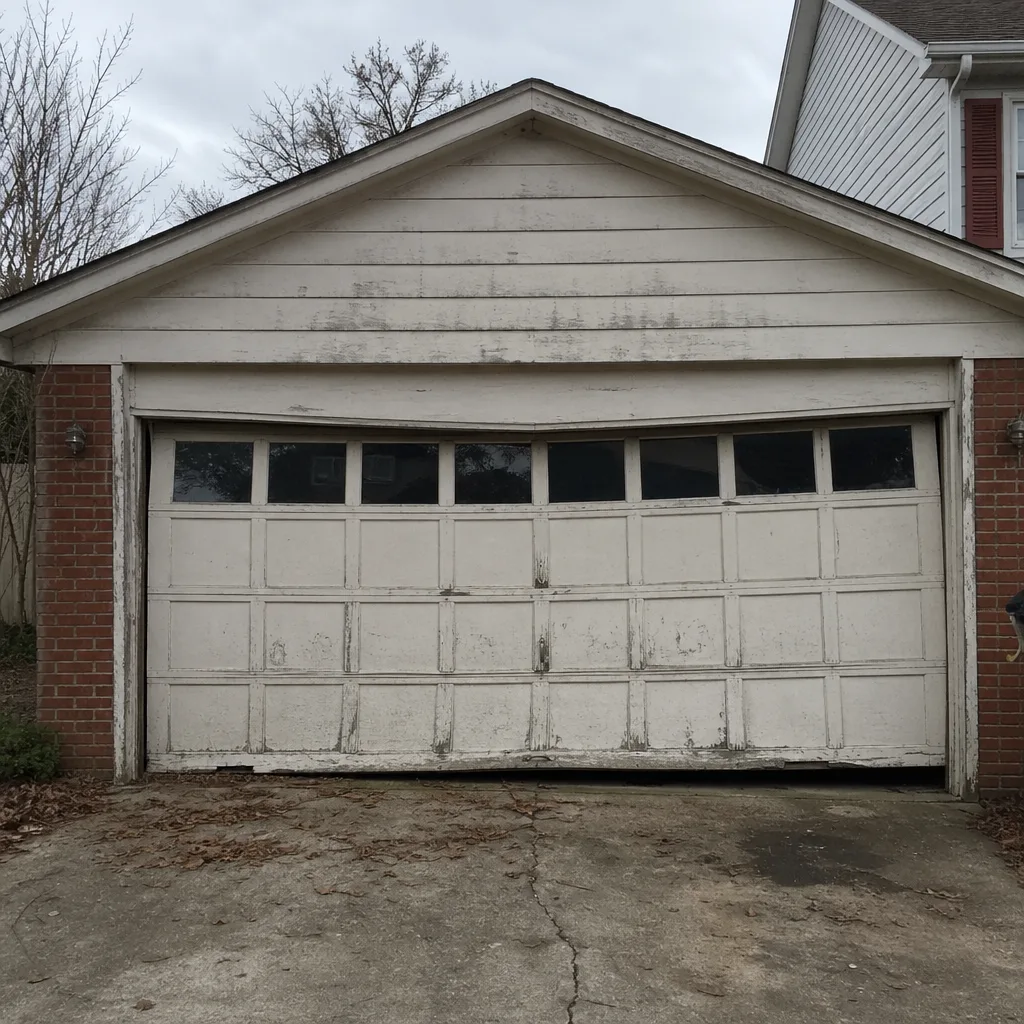 Before
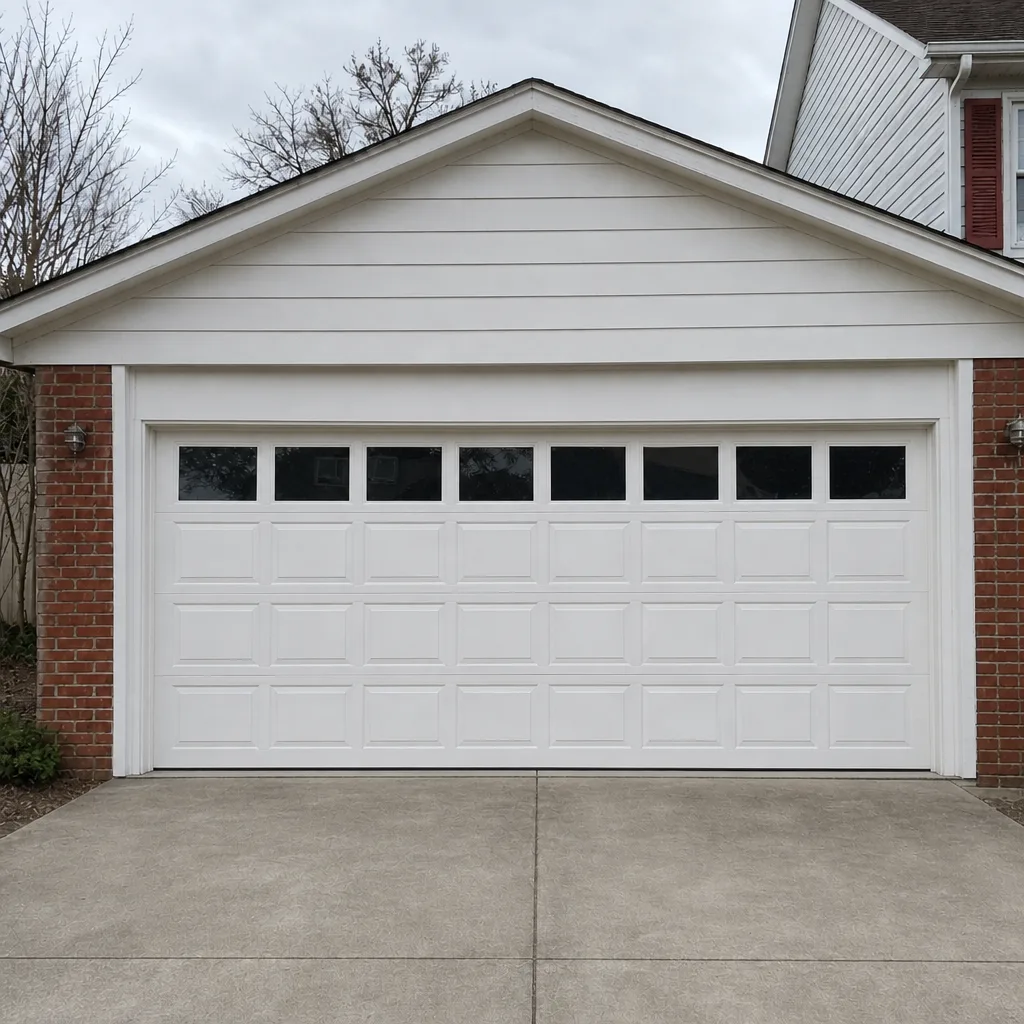 After
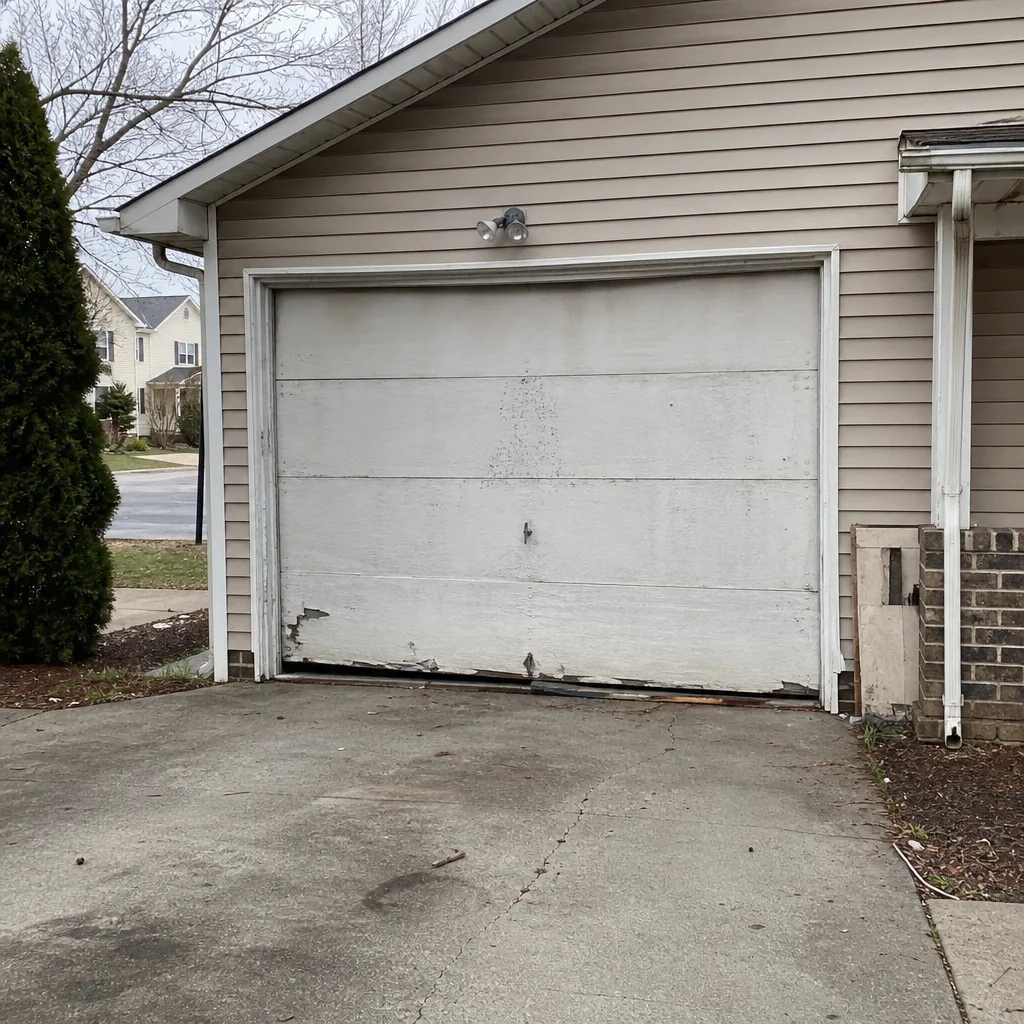 Before
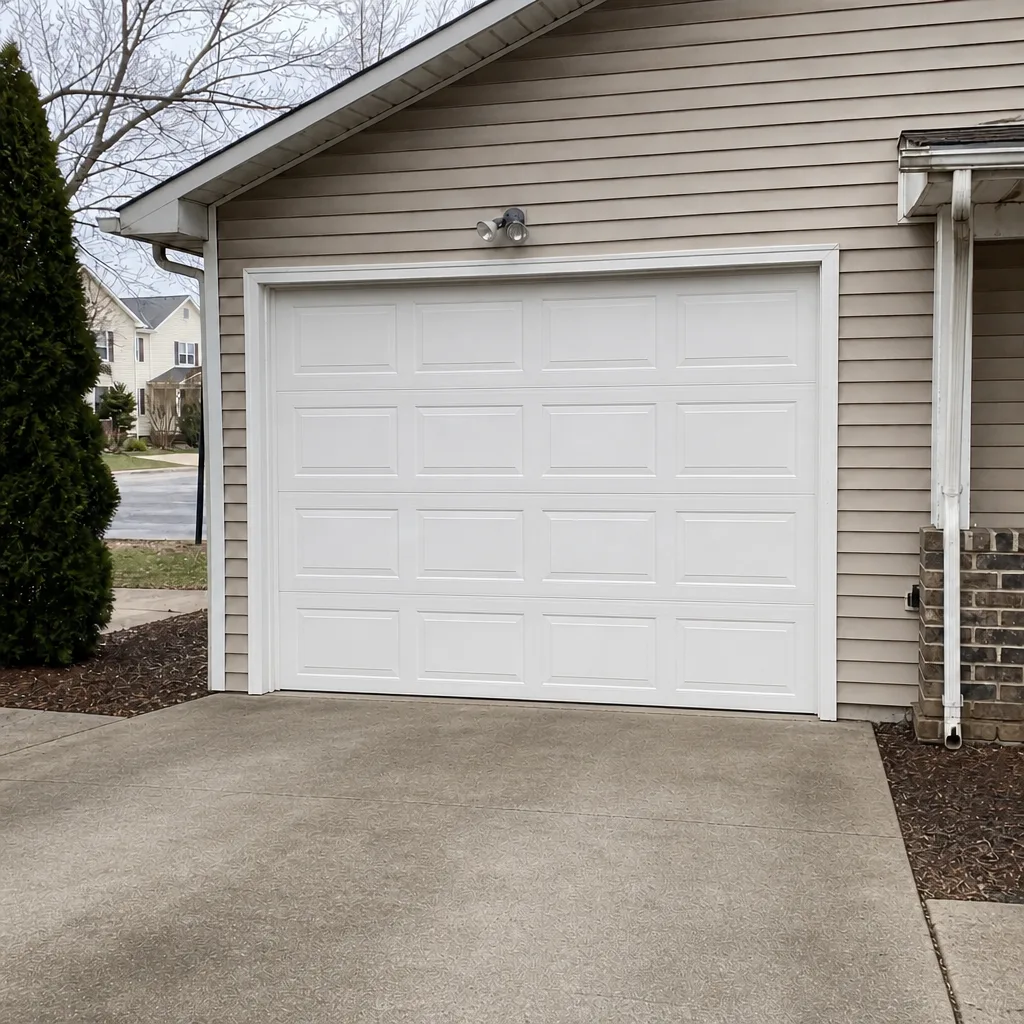 After
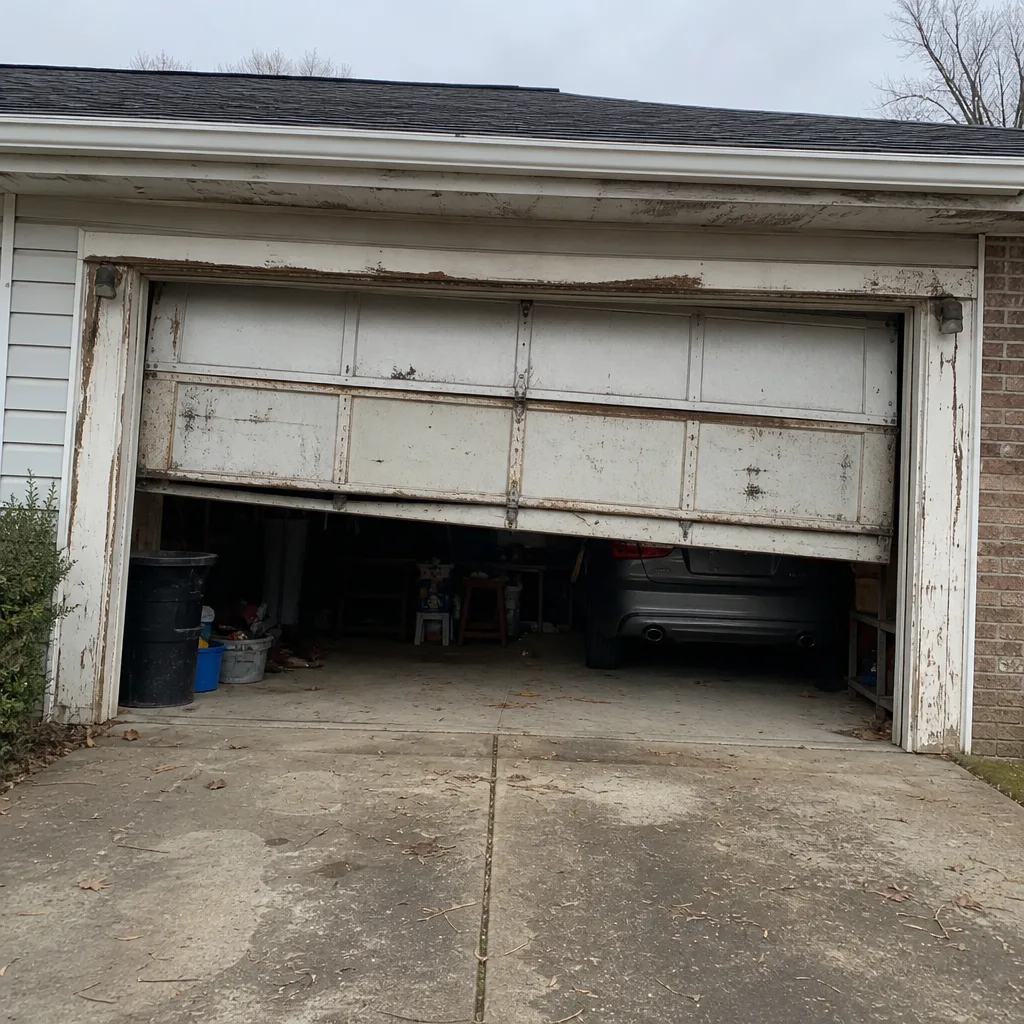 Before
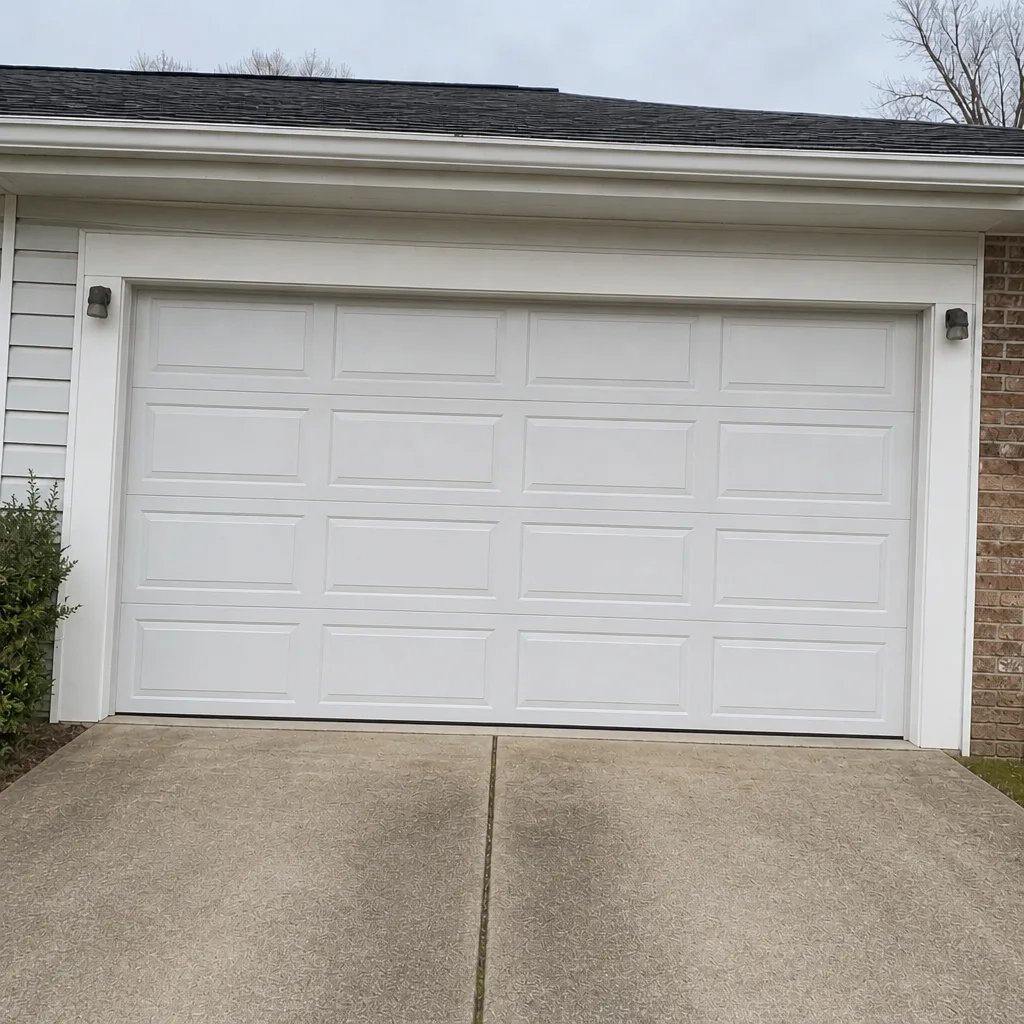 After
Frequently Asked Questions
Fall, ideally October, is the highest-leverage maintenance window in Concord. Getting lubrication, seal inspection, balance testing, and opener force adjustment done before the first freeze prevents the majority of winter service calls. Spring is the second most important window, focused on post-winter inspection of rollers, seals, and springs.
Moisture trapped under a hardened or worn bottom seal can freeze and bond the seal to the concrete, usually on the coldest nights. The fix is to release the opener, lift the door by hand to break the bond, and replace the seal if it’s damaged. Applying a silicone lubricant to the seal edge reduces bonding for the rest of the season.
Twice a year is the general rule in Concord: a full lubrication in fall before the freeze and a lighter re-application in mid-summer when heat thins the lubricant. If the door is noisy or the rollers feel rough, lubricate sooner rather than waiting for the next scheduled session.
Yes, humidity can affect wood and composite panels, especially at the panel seams and the bottom section. Check the seams of the bottom two panels after each Concord summer for raised edges, soft spots, or discoloration. Steel doors need a check at the bottom edge for any coating breach that lets moisture in.
Cold weather makes springs under tension more prone to failure, and a spring that’s been near its cycle limit for years often gives out in the first weeks of freezing temperatures. Lubrication and a spring inspection in fall reduce the risk. If a spring fails, do not operate the door; call a technician.
Force settings are usually a set of screws or dials on the motor housing, labeled up force and down force. Turn them to the lowest setting that lets the door complete its full travel without straining. Test the safety reverse after any adjustment, and refer to your opener’s manual for the exact location on your model. If you’re not comfortable doing it, it’s a routine service call.
Lubrication, track cleaning, seal inspection, and safety testing are reasonable homeowner tasks. Springs, cables, balance issues, and opener force adjustments are best left to a trained technician because of the injury risk. Call (866) 942-7643 for a free estimate on anything outside the homeowner-safe list.
The Bottom Line
Concord’s climate doesn’t reward the four-season maintenance calendar most guides assume. It rewards preparation for two specific stress periods: the humid summer and the sharp winter freeze. Do the full lubrication, seal check, and opener force adjustment in October and you prevent most winter failures. Do a post-winter inspection in spring and you catch what winter damaged before summer humidity makes it worse. The two shoulder seasons are your best working windows. Keep the tracks clean, keep the seals supple, and test the safety features at every seasonal check.
Harbinger Garage Door Repair is a Concord specialist working with LiftMaster, Chamberlain, Genie, Clopay, Amarr, Wayne Dalton, Craftsman, and Raynor systems across repair, opener repair, and installation. We offer free estimates and the written estimate sets the price before any work begins. Call (866) 942-7643. We answer 24/7. Fast dispatch from 7am to 7pm, Sunday through Friday. For a broader look at how we handle Concord homes and the full range of what we do, start with the main Harbinger Garage Door Repair page.
Written by the team at Harbinger Garage Door Repair.