
Last updated November 15, 2026
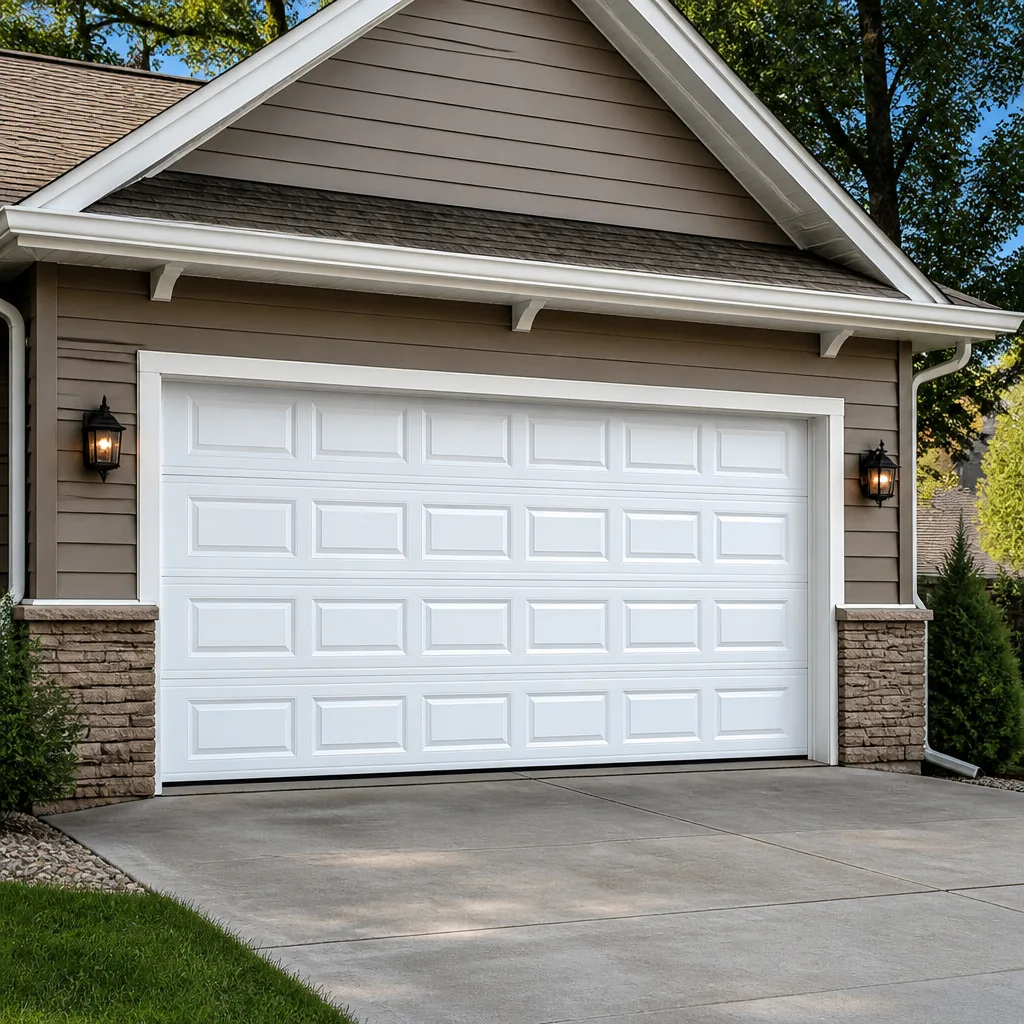 Raised-panel steel
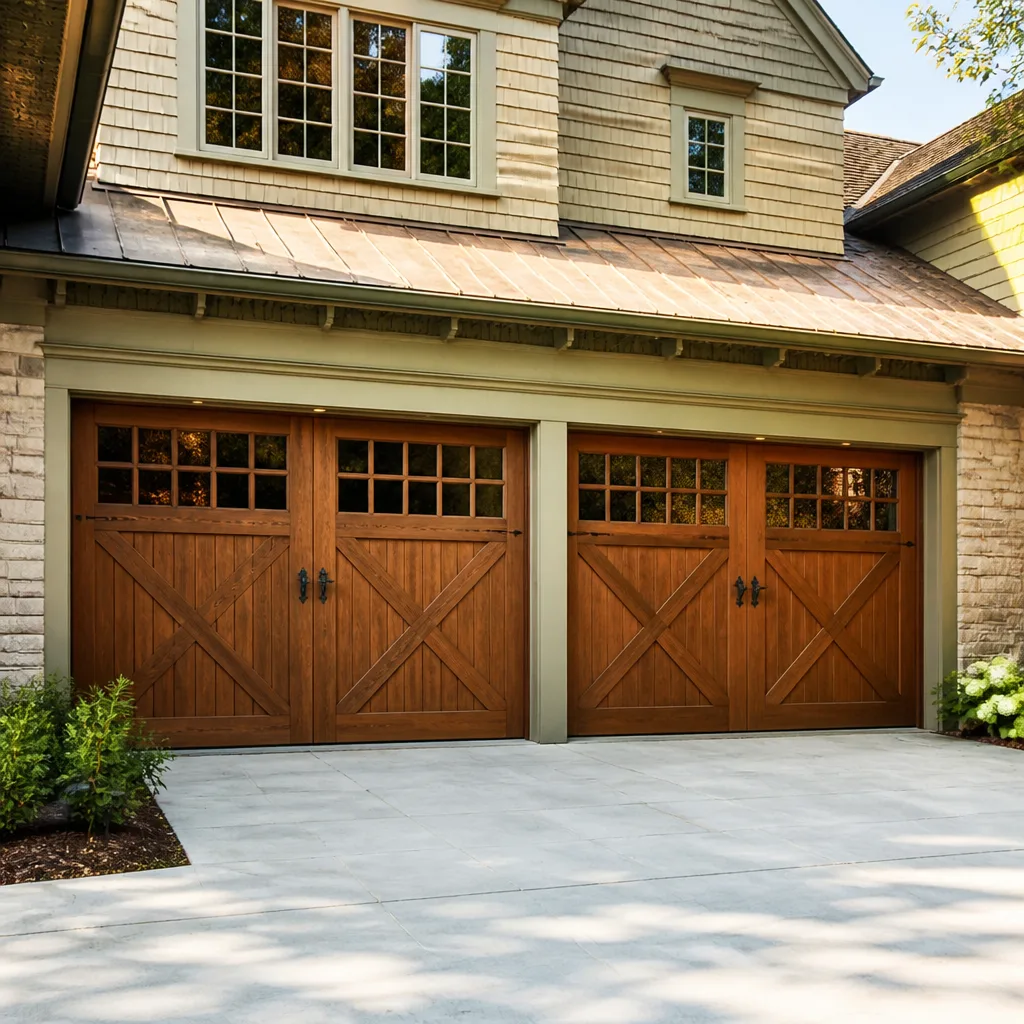 Carriage house
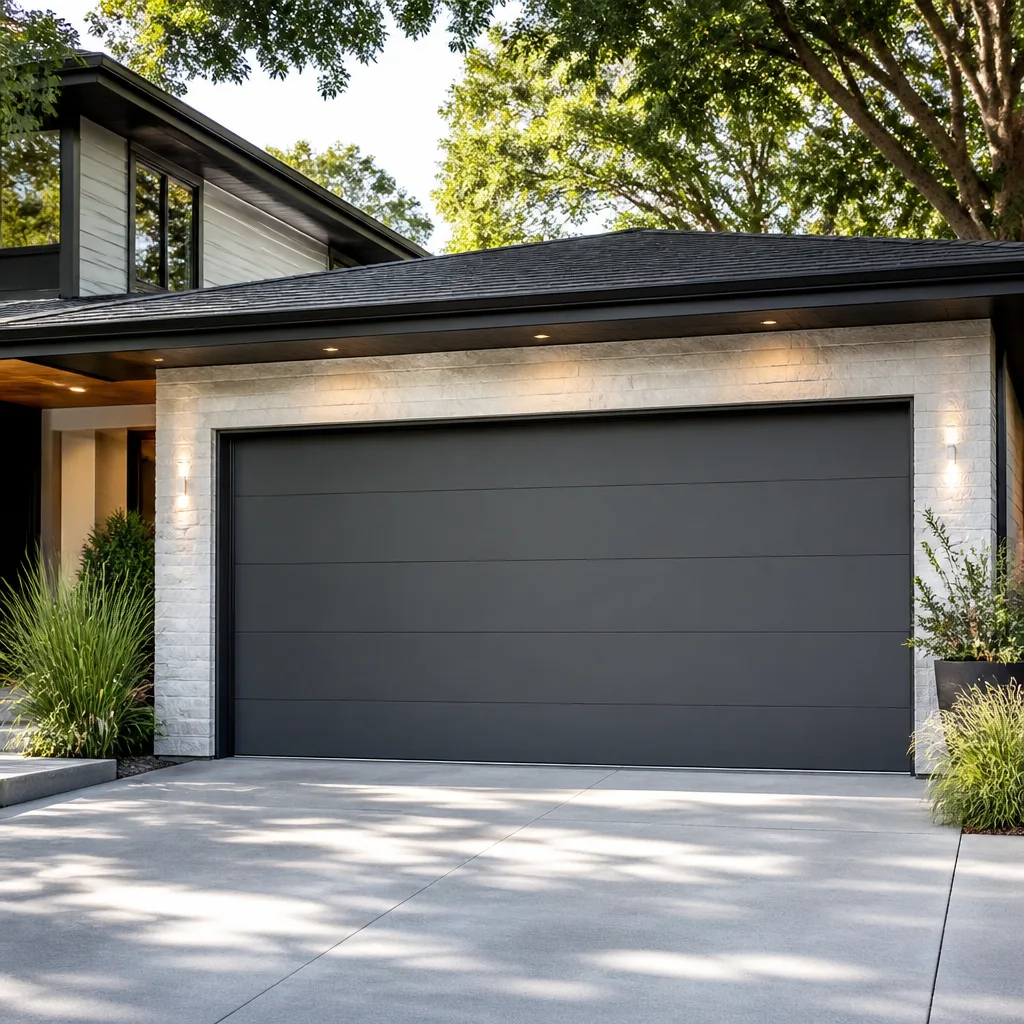 Modern flush
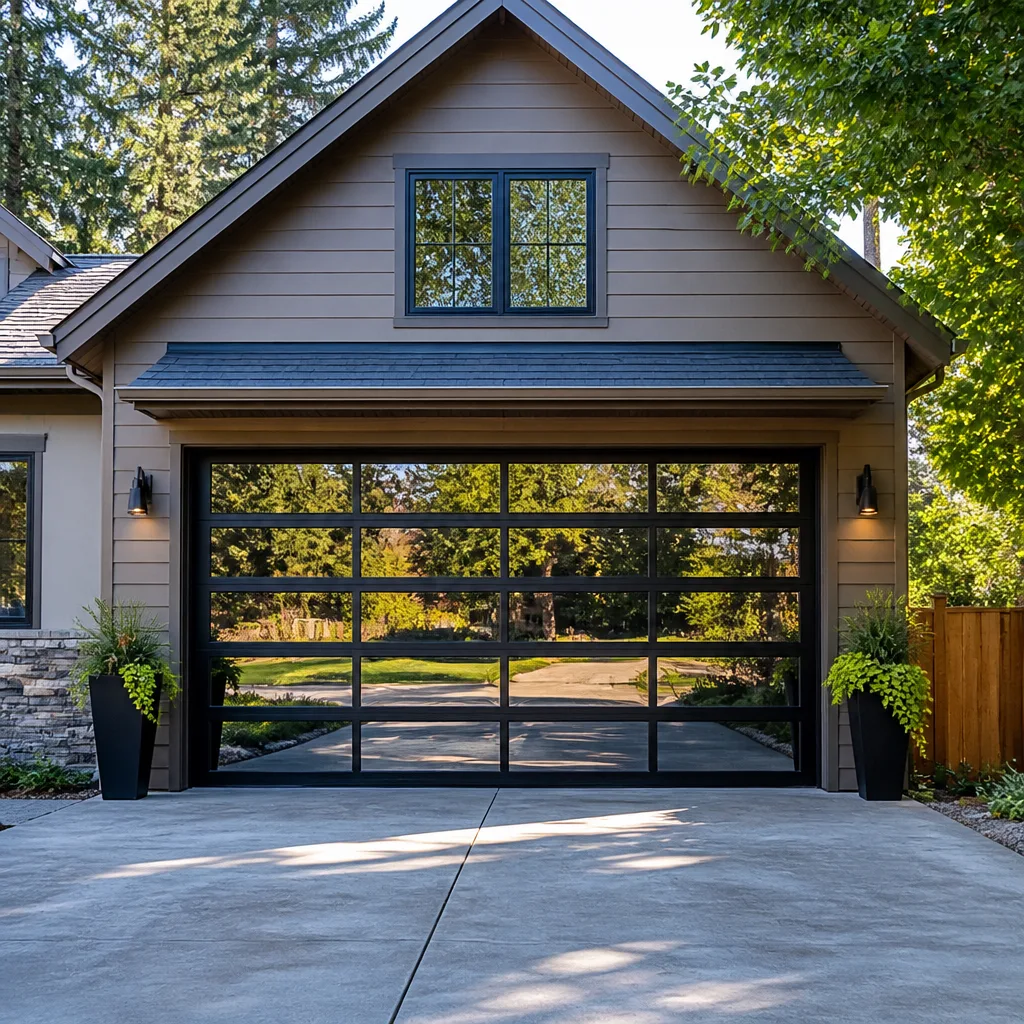 Full-view glass
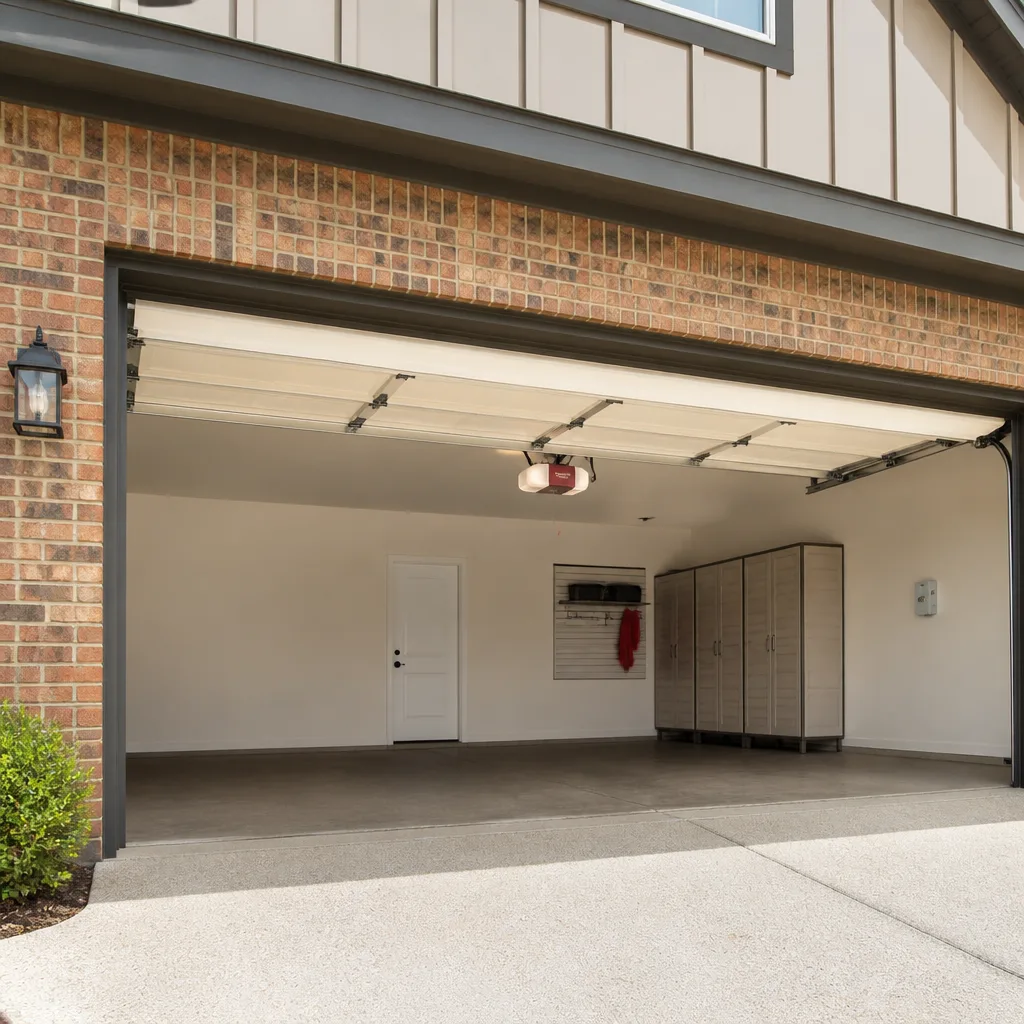 LiftMaster openers
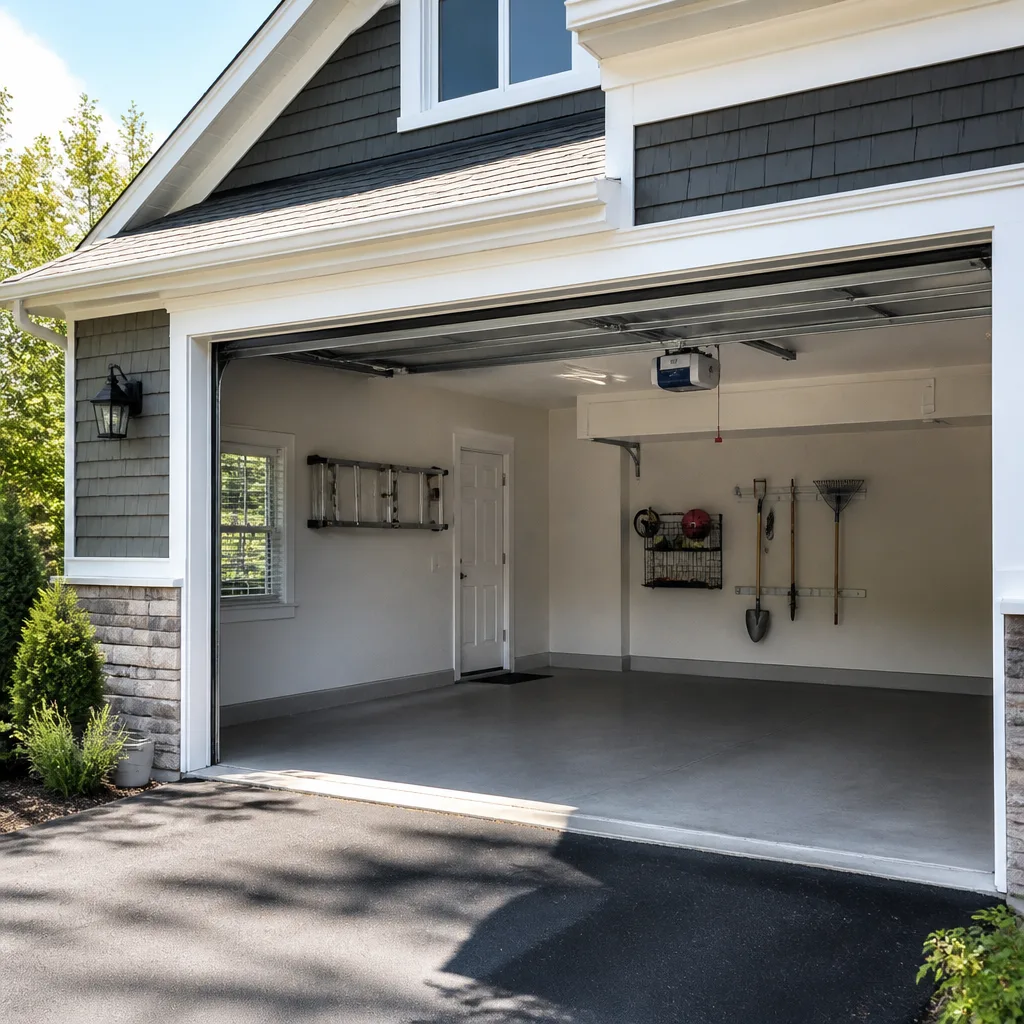 Chamberlain openers
Full 25-point door and opener safety check with every visit - springs, cables, rollers, tracks, and your LiftMaster or Chamberlain opener included
You get a price before we start. It does not change when the pro arrives.
Get your free estimateGarage Door Emergency Preparedness Guide for Concord Homes
Most homeowners treat the garage door as a simple machine: press the button, it goes up, press it again, it goes down. Then the power drops in a summer storm, the opener goes silent, and the house suddenly has no working vehicle exit, no secure enclosure, and no idea how the manual release is supposed to work. During Hurricane Helene’s outages across the Carolinas, plenty of homeowners found that cord broken, buried behind stored boxes, or never tested since the day they moved in. This guide covers the two emergencies Concord homes actually face – storm outages and doors that fail while a car is trapped – and what to do before either happens.
Styles & brands we work with
- Raised-panel steel
- Carriage house
- Modern flush
- Full-view glass
- LiftMaster openers
- Chamberlain openers
Quick Answer
A garage door emergency plan for a Concord home comes down to three tested items: a working manual release you have actually operated once, a charged or retrofitted battery backup for the opener, and a way to secure the door by hand if the outage runs long. Spring and door failures are a different protocol – stop, don’t force the door, and call a trained technician. Call (866) 942-7643. We answer 24/7, with fast dispatch from 7am to 7pm, Sunday through Friday.
Table of Contents
- Why Concord Doors Fail When the Power Goes Out
- How to Operate the Manual Release on Your Opener
- Chamberlain, LiftMaster and Genie: The Release Differences That Catch People Off Guard
- How to Lock the Garage Door After Using the Emergency Release
- Battery Backup: What You Have, How to Test It, and Retrofit Options
- When the Door Won’t Stay Up Manually: The Broken Spring Scenario
- Post-Storm Inspection Protocol Before You Run the Door Again
- Common Mistakes to Avoid
- When to Call a Professional
- Frequently Asked Questions
- The Bottom Line
Why Concord Doors Fail When the Power Goes Out
Concord sits in the Piedmont, which means hot, humid summers with a real pattern of afternoon thunderstorms and the occasional tropical system pushing inland. Every one of those storms has the potential to knock out power for hours, sometimes days. A garage door with no battery backup becomes a solid wall the moment the grid goes down, and a house that relies on the garage as its main entry point is suddenly locked into a different routine.
The failure isn’t the door. The door is a counterweighted slab of steel or wood on springs. The problem is that everything we use to lift it – the opener motor, the wall button, the remote in the car – depends on electricity. Manual operation exists specifically for this moment, and it’s built into every residential opener. The catch is that it only works if the release is intact and if someone in the household knows how to pull it.
In our experience, most Concord homes have never tested it. There are a few reasons:
- It’s out of sight. The release cord hangs from the trolley near the door’s travel path, often above head height and behind a hanging storage shelf or bicycle.
- It’s rarely touched. The cord and its latch can seize or fray over years of sitting idle, especially in a humid Piedmont garage.
- It’s misunderstood. Many homeowners think pulling the cord disconnects the springs or the door’s safety. It doesn’t. It disconnects the opener’s trolley so the door can move freely by hand.
The second predictable emergency is a door that fails while a vehicle is inside. A snapped spring, a broken cable, or a bent track can leave the door stuck down with a car parked behind it. Concord households with two vehicles often find the working car is now boxed in. We handle a lot of these – see our garage door repair page for what a service visit involves. Both emergencies are easier to manage when the household has done a few minutes of prep work ahead of time.
How to Operate the Manual Release on Your Opener
The manual release is a cord hanging from the opener’s trolley, and pulling it disconnects the motor so the door can be lifted by hand. Do this with the door fully closed, and understand before you pull that a door on healthy springs should lift easily to about waist height and stay put. If it doesn’t, stop and read the broken spring section below.
Here’s the sequence for a standard residential opener:
- Stand clear of the door’s path. Make sure no one, including pets, is under or in front of the door before you start.
- Locate the release cord. It hangs from the trolley carriage on the opener rail, usually with a red or T-shaped handle. If it’s tangled or has been shortened, replace it – a local garage door supplier stocks the kits, and they’re inexpensive.
- Pull straight down firmly. You’ll feel the trolley release. The door is now disconnected from the opener.
- Lift the door slowly by hand. Use the lift handle if one is fitted, not the panel edges. It should move up smoothly and hold at the open position on its own.
- Prop it if you’re leaving it open. If you’ll walk away with the door up, use a proper door prop or a sturdy clamp on the track below a roller. Never leave the door half open hoping it stays.
- Reconnect when power returns. Close the door fully, then pull the release cord again or follow your opener’s reconnect procedure. Cycle the door once with the wall button to confirm the trolley has latched back in.
Practice this at least once a year, ideally before storm season. The first time a household ever pulls the release should not be in the dark with a car waiting. If your door is older or you don’t know the model, a technician can walk it with you – opener service is a dedicated part of what we do, covered on our garage door opener repair page.
Chamberlain, LiftMaster and Genie: The Release Differences That Catch People Off Guard
Chamberlain and LiftMaster openers – both made by the same manufacturer – use a nearly identical trolley release: a downward-pull cord with a T-handle on the carriage. Genie openers vary more by generation, and that’s where most of the surprises come from. A few things to check before a real outage:
- Chamberlain and LiftMaster: the release is straightforward, but on models with a safety-trolley latch, the trolley must be fully engaged with the door arm before you can pull the release cleanly. If the door is partly open, let it run all the way down first.
- Genie: older chain-drive models have a similar pull-cord release, but some belt-drive and screw-drive units route the cord through a different point on the carriage. If you can’t find it, look for a red or yellow handle near the rail, not the wall button.
- Craftsman and Raynor: Craftsman openers are largely Chamberlain-built and behave the same. Raynor openers often pair with heavier commercial-style doors, and the release logic is similar but the spring tension on the door means the manual lift can feel much heavier than a typical residential unit.
We work on all eight of the most common brands installed in Concord and the wider region – LiftMaster, Chamberlain, Genie, Clopay, Amarr, Wayne Dalton, Craftsman, and Raynor – so we can usually identify the release style from a photo or a quick walk-through. If you’re not sure which model you have, check the label on the back panel or the ceiling motor head. From there, testing the release is the same procedure outlined above.
One related point: some openers also have a child-lock or vacation-lock feature that disables the remote. During a long outage, if your remotes suddenly stop working when power returns, confirm no one set the lock. It’s a five-second fix, but it does get called in as a “dead opener” now and then.
How to Lock the Garage Door After Using the Emergency Release
Once you pull the release to open the door by hand, the door is no longer locked to the opener. That’s fine while you’re standing there. It becomes a security vulnerability the moment the door is down and the household is asleep or away. A disconnected door can be lifted from the outside if the opener’s trolley isn’t engaged – which is exactly what happens during an extended outage.
The security gap comes in two shapes:
- Door up, opener disconnected. The door may be propped open so you can get cars in and out. The house is effectively open.
- Door down, opener disconnected. The door looks closed but can be lifted manually from outside. An intruder with a coat hanger or a pry tool can lift it.
During an outage, the reliable fix is a mechanical lock. Any of these will work:
- Slide-bolt locks: a pair of slide bolts installed inside the vertical tracks, one on each side, that pin the door to the track. These are the standard solution and can be fitted to most residential doors. Use them on both sides, not just one.
- Track clamps: a C-clamp or purpose-made track stop clamped onto the vertical track right above a roller, on both sides. Quick and effective. Not theft-proof, but it defeats a casual lift.
- Exterior lock handle: a lock cylinder installed on the outside of the door is the most secure option for a long outage, but it should be installed by a technician. Don’t drill a panel yourself.
Whatever you use, tag it. A slide bolt left engaged after power comes back will shear off when the opener runs, and the resulting damage can cost a track, a panel, or a whole door. Some households keep a small sign on the wall button that says LOCKED during outages. In our experience, the tag matters as much as the lock. For a Concord property with an Amarr or Wayne Dalton door with an older track, a technician can fit the right lock kit before the next storm season.
Battery Backup: What You Have, How to Test It, and Retrofit Options
Battery backup is the single most useful upgrade for a Concord home that loses power regularly. Current LiftMaster, Chamberlain and Genie openers vary in whether a backup battery is standard, optional, or absent – so the first step is confirming what your unit has. You don’t need to guess; the answer is on the opener head or in the manual.
Here’s how to check and test it:
- Find the battery bay. On LiftMaster and Chamberlain units, look for a battery door on the motor head; on Genie and some Craftsman units, it’s a small compartment on the side or back. If there’s no bay, there’s no factory backup.
- Confirm battery type. Most modern backups use a sealed lead-acid pack or a rechargeable lithium pack. Replace only with the model the opener calls for. A wrong battery can fail to charge or damage the control board.
- Test the backup. Unplug the opener from the wall, then press the wall button or remote. If the door runs normally, the battery is holding. If it beeps twice and stops, the battery has aged out.
- Check the indicator. Many current units show a green, yellow, or red light on the opener head. Green means healthy, yellow means aging, red means replace. When in doubt, replace.
- Recharge after use. Plug the opener back in as soon as power returns. Backup batteries need several hours to recharge fully.
Battery health should be checked before storm season, not during it. Most sealed batteries lose significant capacity after a few years, and a battery that ran a door in one outage may not run it in the next. If your opener is older and has no backup bay, retrofit options exist – an external battery backup unit can be wired in by a technician, and it’s usually the cheapest path to keeping the door working during a storm outage. If the opener itself is near end of life, a replacement with built-in backup is often the cleaner answer. Our Harbinger Garage Door Repair specialists can tell you which path fits your opener and your budget, and the estimate is free either way.
One practical note: a battery backup holds the door’s weight for a limited number of cycles. It’s designed to get a car out and the door closed, not to run normal household traffic for a week. Plan for one or two in-and-out trips, then use the manual release for the rest.
When the Door Won’t Stay Up Manually: The Broken Spring Scenario
If you pull the manual release and the door feels resistant, too heavy to lift, or falls closed the moment you let go, stop. Do not force it. Those are the signs of a broken or fatigued torsion spring or an extension spring that has lost tension. On a modern two-car garage door, the springs are what actually carry the weight, and the door can weigh several hundred pounds without them.
A balance test tells you what you’re dealing with without putting your hands near the springs. Lift the door to about waist height by hand and let it go. A door on healthy springs holds in place or drops only a few inches. A door that crashes down has a spring problem. A door that resists lifting from the start has a spring problem. Either way, the manual release has just told you something important: the door cannot be safely operated until a technician addresses the springs.
This is where a garage door failure differs from most home emergencies. Springs, cables and the torsion bar are under significant stored tension. The cables especially can whip when they fail, and we’ve seen what happens when a homeowner tries to force a door with a broken spring – it’s not a DIY job. The protocol for a broken spring is:
- Leave the door closed if it’s already down. Don’t try to force it up to get a car out. Call a technician.
- If the door is already up, prop it immediately. Do not leave it up unattended on a broken spring.
- Keep the release cord pulled or unhook the opener arm so the motor doesn’t try to run the door and add strain.
- Book a service call. Spring replacement is a job for a trained technician, and it usually takes less than an hour once we’re on site with the matched springs.
If the door is stuck down with a car parked inside, tell the dispatcher. In Concord, we get calls like this most often on hot summer afternoons when the door has been cycled repeatedly, and it usually means a spring replacement is queued for the same visit. We can be there for the diagnosis and repair, though the spring itself is a stocked part in most cases.
Post-Storm Inspection Protocol Before You Run the Door Again
After a serious storm – a direct hit from a tropical system or a strong line of summer thunderstorms – a quick inspection before the next button press saves a lot of damage. The door itself is only half the story; the opener, the safety sensors and the surrounding structure all matter.
Here’s the walk-through:
- Check the tracks for alignment. Look at both vertical and horizontal tracks. If either is bent, twisted, or has pulled away from the wall mount, don’t run the door. The track is what keeps the door on the rails.
- Check the cable drums at the top corners. Cables should be tightly wound and even on both sides. If a cable is slack, off the drum, or wrapped unevenly, that’s a professional call.
- Check the springs. Torsion springs live above the door on the header; extension springs run above the tracks. A broken spring has an obvious gap in the coil or a dangling end. Don’t touch it. Don’t adjust it.
- Check the panels. Look at every panel from the inside. A hairline crack, a bent hinge, or a loose roller housing is easy to miss but will cause problems the moment the door moves.
- Align the safety sensors. The two photo-eye units about six inches off the ground at the bottom of the track need a clear line of sight. Storm debris, shifted tracks and even a leaf can throw them off. A misaligned sensor stops the door mid-travel or prevents it closing.
- Test the balance by hand. With the door disconnected, lift it to waist height and let go. It should hold.
- Run one test cycle. Press the wall button with no one under the door. If it opens and closes smoothly with no grinding, scraping, or hesitation, you’re clear. If anything sounds or feels wrong, stop and call.
Hail is uncommon in Concord, but wind-driven debris and the occasional fallen limb are real risks after a summer storm. If a tree has hit the door or a limb has bent the track, stop using the door entirely and get it inspected. We handle storm-related repairs across the Concord area regularly, and the inspection is part of a normal service call, not a separate add-on fee.
Common Mistakes to Avoid
- Never testing the manual release. A release that hasn’t been operated in years is a release that may not work when you need it. Test it once a year, in daylight, with nothing under the door.
- Pulling the release on a door with a broken spring. Without spring tension, the door can crash down under its own weight. If the door is already struggling to lift, don’t disengage the opener.
- Forcing a heavy door up by hand. A door that won’t lift easily has a mechanical problem. Forcing it adds strain to the tracks, panels and hinges, and increases the chance of a panel buckling or a cable slipping.
- Leaving the release pulled after power returns. The opener’s trolley needs to re-engage before the door will run normally. If the opener “runs but the door doesn’t move,” check the trolley first.
- Assuming battery backup is healthy because the door worked last storm. Backup batteries lose capacity with age. Test the battery at the start of storm season, not during the outage.
- Relying on a stuck-down door being “secure.” A disconnected door looks closed from the street but can be lifted from outside. Use a slide bolt or track clamp on both sides until the door is reconnected and tested.
- Not clearing the track of debris after a storm. Small twigs, leaves and blown grit in the track are a surprising cause of doors that run partway and stop. A shop vacuum and a wipe-down after a storm prevents a lot of service calls.
When to Call a Professional
Call the moment you can’t safely operate the door by hand. A door that won’t lift, crashes down, or lifts with obvious resistance means a spring or cable problem – those are dangerous to touch, and they don’t get better on their own. Call if the door is stuck down with a car parked inside, if you hear a loud snap from the garage, if a track is bent after a storm, if the opener runs but the door doesn’t move, or if the door reverses immediately after you close it.
Harbinger Garage Door Repair offers free estimates in Concord – call (866) 942-7643. We answer 24/7. Fast dispatch from 7am to 7pm, Sunday through Friday. Our technicians have up to experience across the eight most common brands, including LiftMaster, Chamberlain, Genie, Clopay, Amarr, Wayne Dalton, Craftsman and Raynor, so we’re not learning your system on the job – we already know it. Every price is quoted and agreed before any work starts, and we’ll tell you plainly what needs fixing today and what can wait.
Frequently Asked Questions
Pull the red or T-handle release cord hanging from the opener’s trolley, then lift the door by hand using the lift handle. The door should feel light and hold at the open position. If it’s heavy or falls closed, the spring is broken – don’t force it, and call (866) 942-7643. We answer 24/7, with fast dispatch from 7am to 7pm, Sunday through Friday.
Check the motor head for a battery bay or a small compartment on the side. Current LiftMaster, Chamberlain and Genie openers vary – some include backup as standard, some offer it as an optional add-on, and older Craftsman and Raynor models typically don’t have one. Unplug the opener and press the wall button to test; if the door runs, the battery is holding. Call (866) 942-7643 for a free estimate if you’d like a retrofit.
Yes. A pair of slide bolts in the vertical tracks, or track clamps on both sides just above a roller, will hold a disconnected door closed. A disconnected door looks secure from the street but can be lifted from outside without a mechanical lock. Install the lock on both sides and tag it clearly so no one runs the opener while it’s engaged.
Your spring is broken or fatigued. The springs carry the door’s weight, and without them the door can weigh several hundred pounds. Stop lifting, prop the door if it’s up, and call a technician – spring replacement is not a safe DIY job. Call (866) 942-7643 for the fastest diagnosis.
Spring replacement in the Concord area typically runs in the range most households expect for a same-visit repair, and the written estimate sets the final price before any work begins. A matched pair of springs is usually replaced together, so the pair costs roughly twice a single spring. We quote the price up front and don’t start work until you’ve agreed to it. Call (866) 942-7643 for an exact quote – estimates are free.
We do our best to get a technician out the same day for trapped-vehicle calls in Concord. We answer 24/7, and dispatch runs 7am to 7pm, Sunday through Friday. A call outside dispatch hours is booked into the next opening, Sunday through Friday, 7am to 7pm. Call (866) 942-7643 and describe the door’s position so we can bring the right parts.
The Bottom Line
Garage door emergencies in Concord come in two shapes: a power outage that leaves the door stuck and the house locked, or a mechanical failure that traps a vehicle. Both are manageable if the household has done three things ahead of time: tested the manual release, confirmed the backup battery’s health, and set up a way to lock the door by hand. The spring scenario is different – it’s dangerous and it needs a trained technician, not a pry bar. Harbinger Garage Door Repair handles repair, opener service and installation, so whether you need a spring replaced today or a new door in a few months, it’s one call. Call (866) 942-7643 for a free estimate, or see what we cover on the Concord location page.
We already know your system. When a Concord homeowner calls about a LiftMaster that won’t run or a Genie release that won’t pull, we’re diagnosing a system we work on every week – not one we’re meeting for the first time.
Written by the team at Harbinger Garage Door Repair.
See the difference
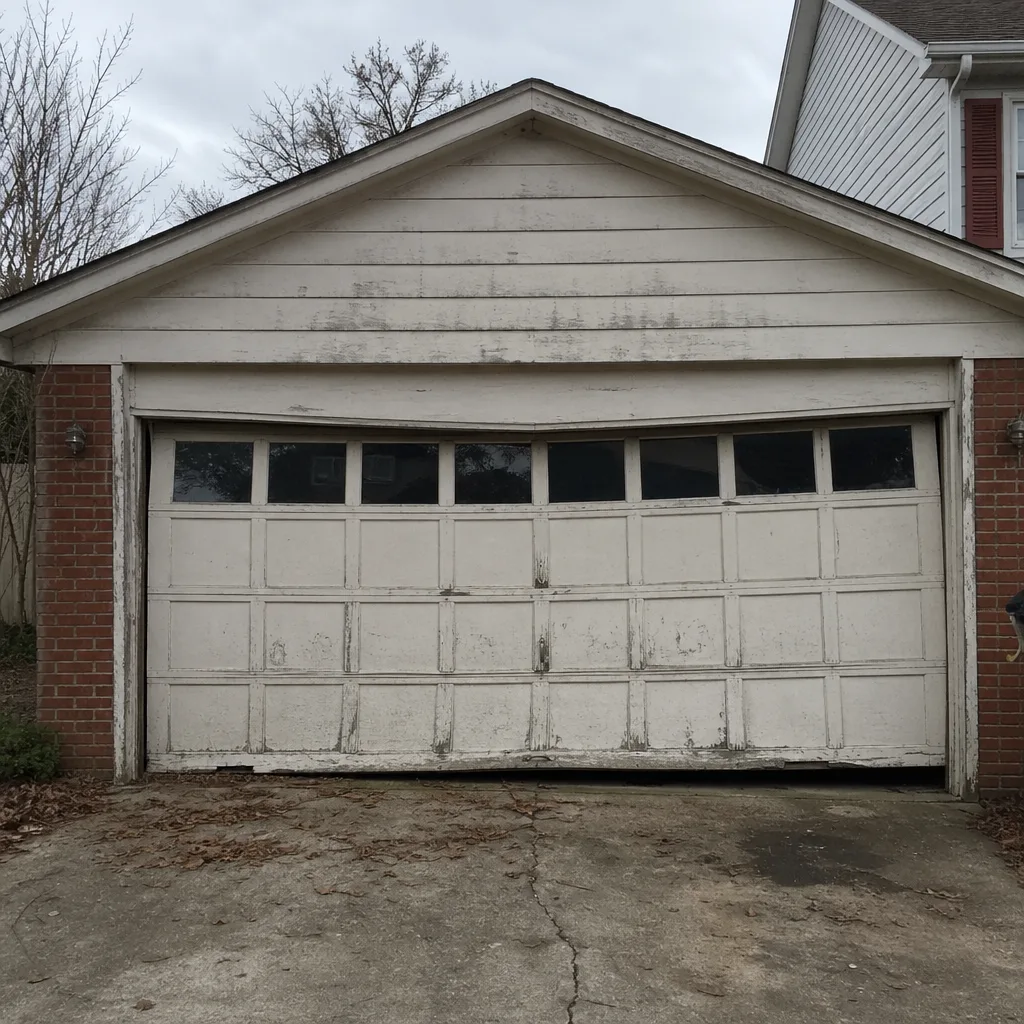 Before
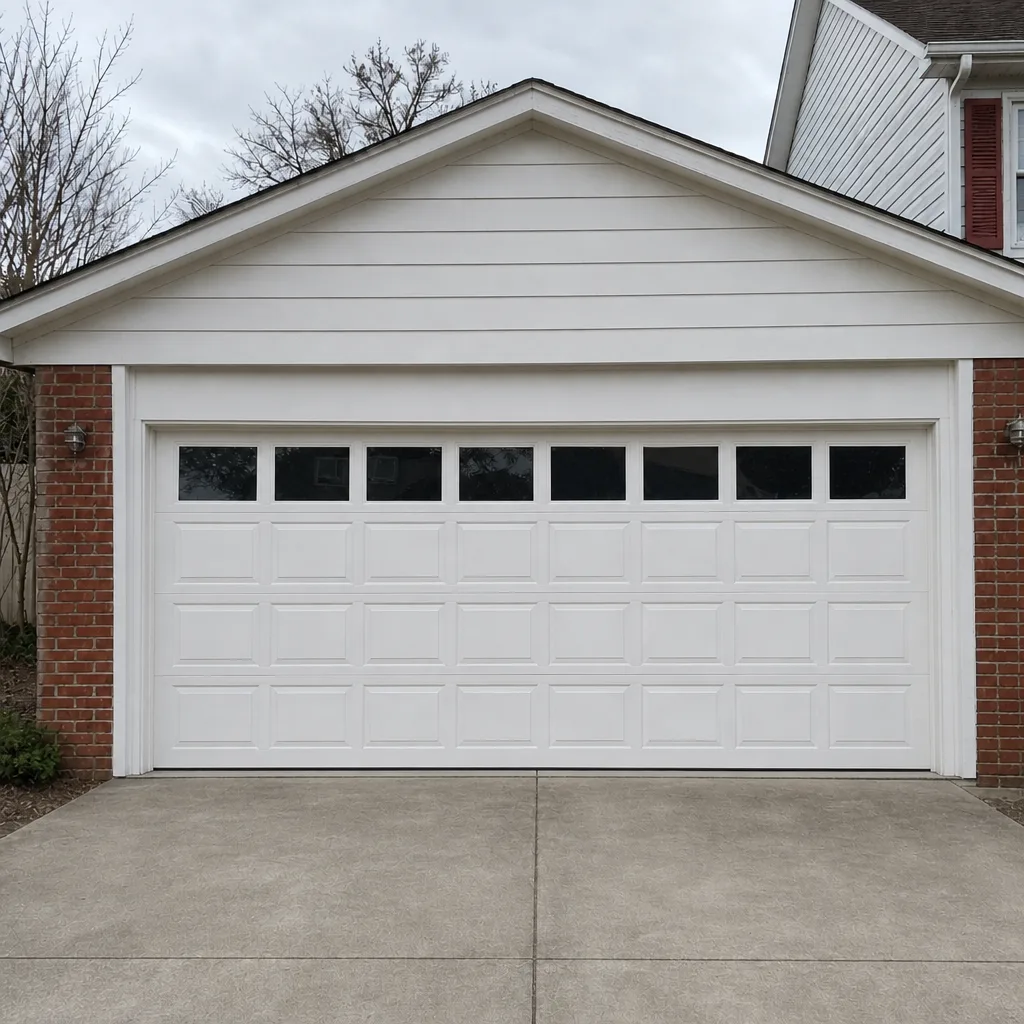 After
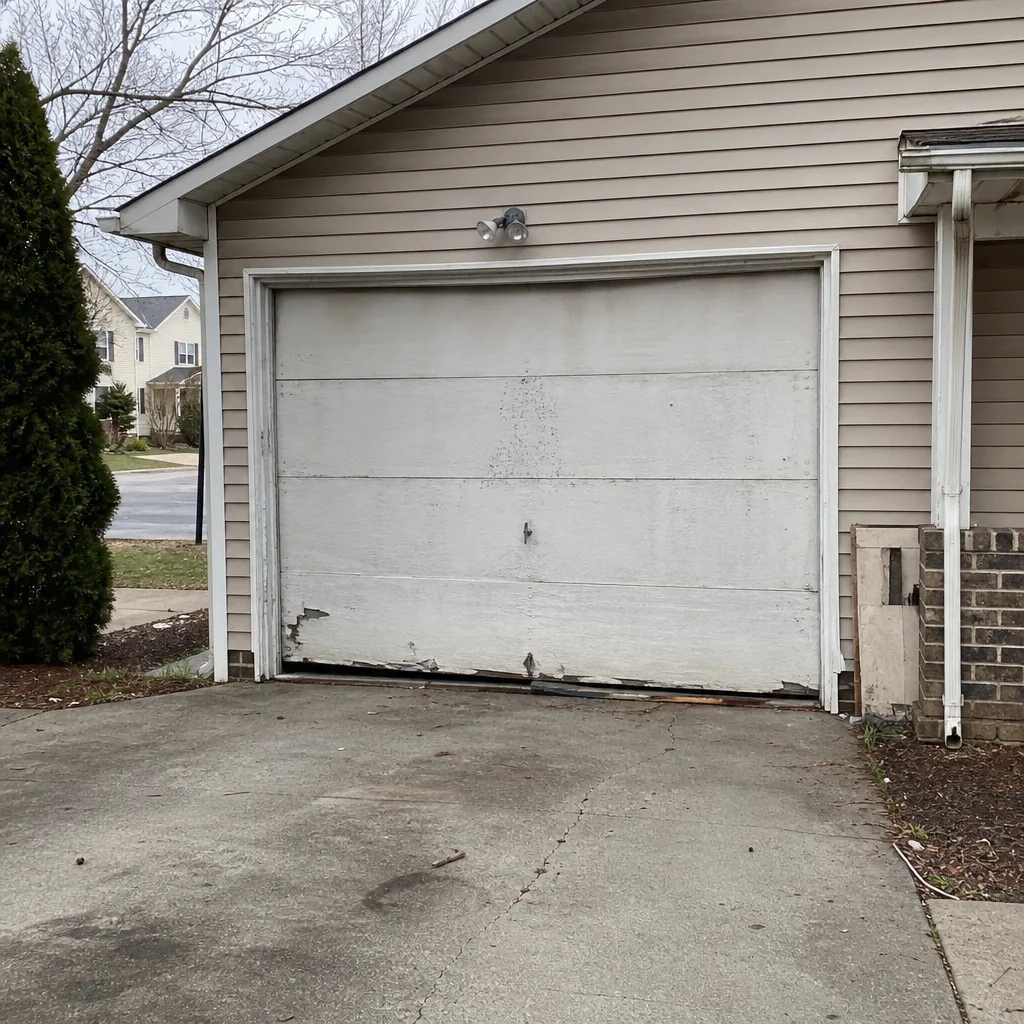 Before
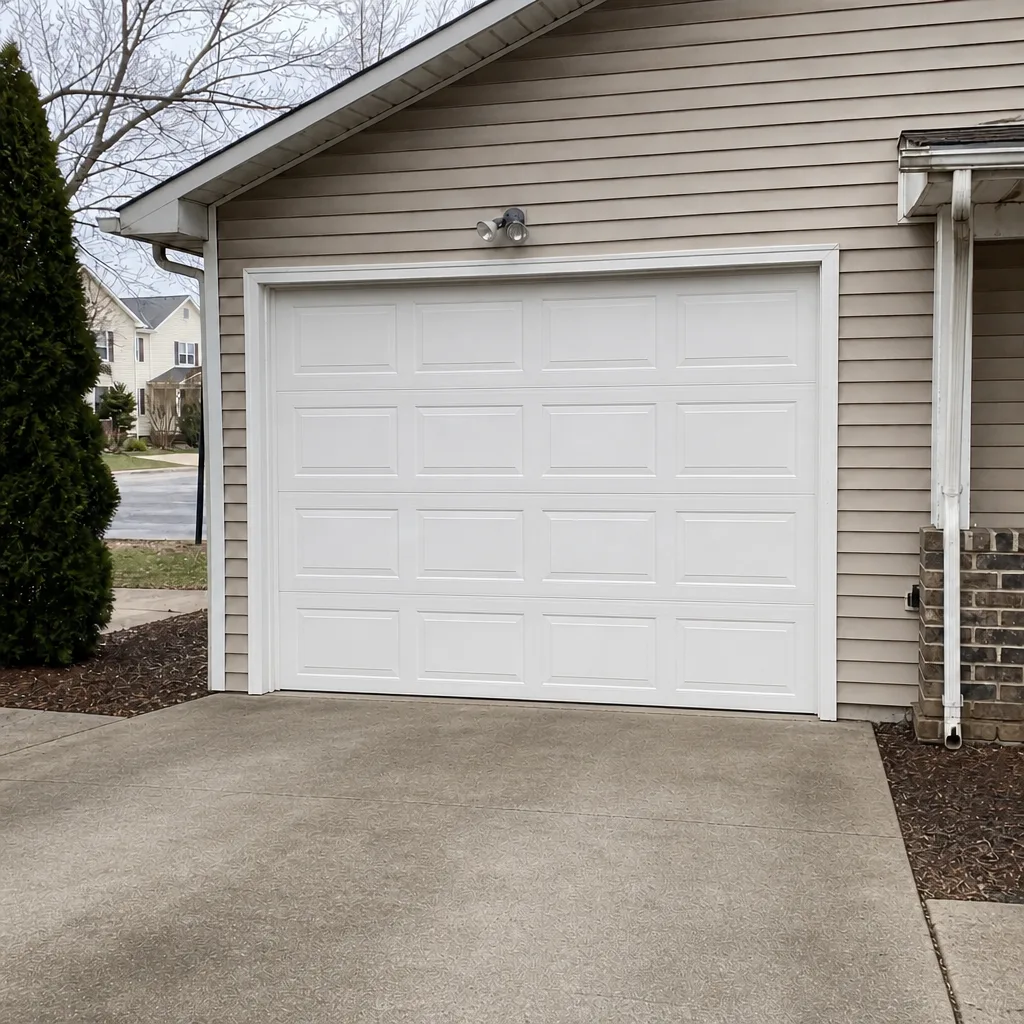 After
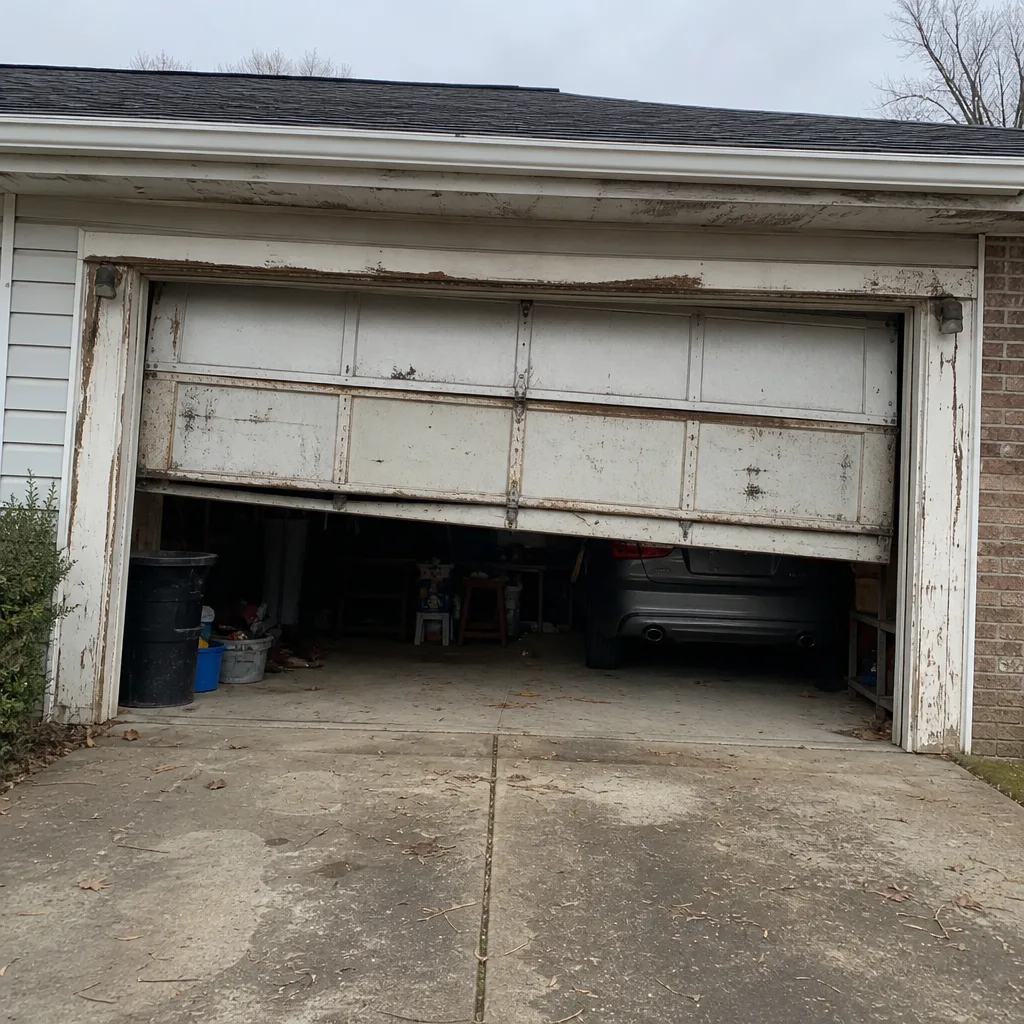 Before
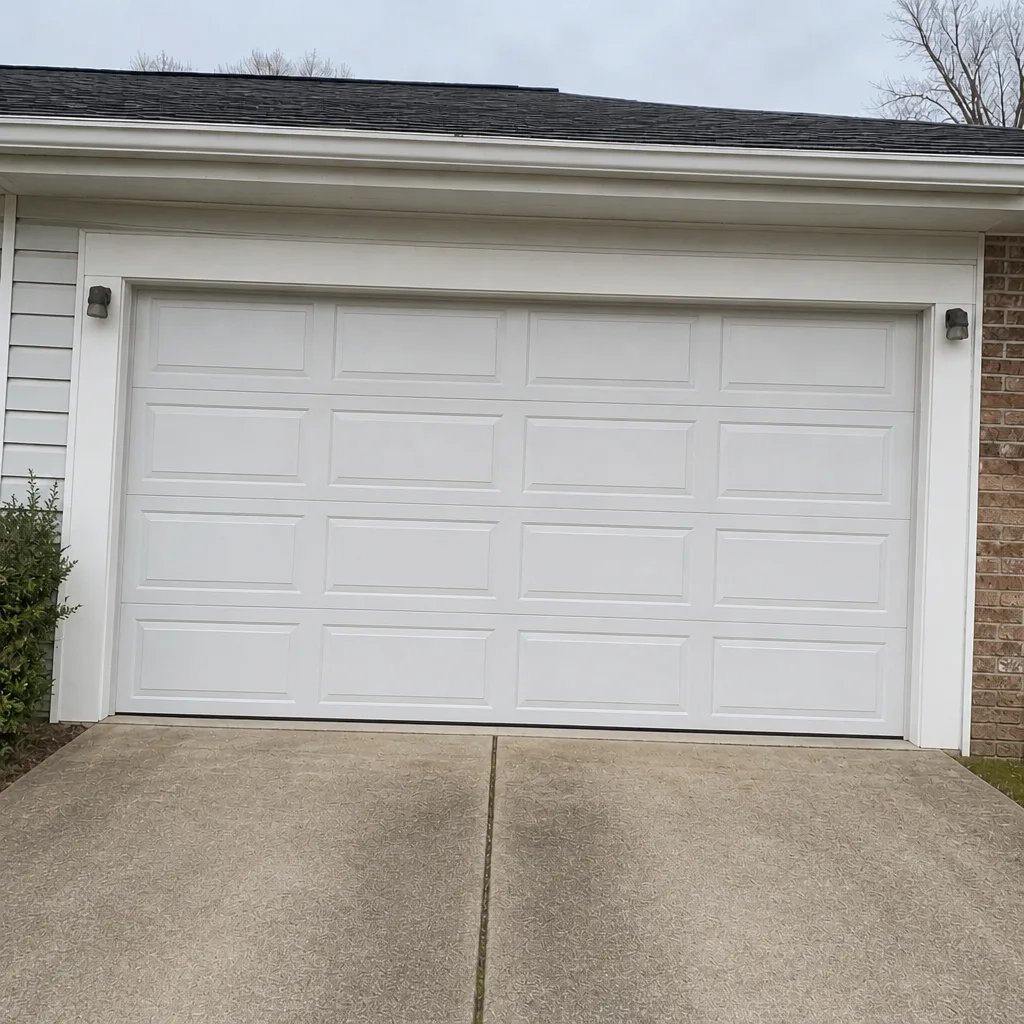 After