
Last updated November 15, 2026
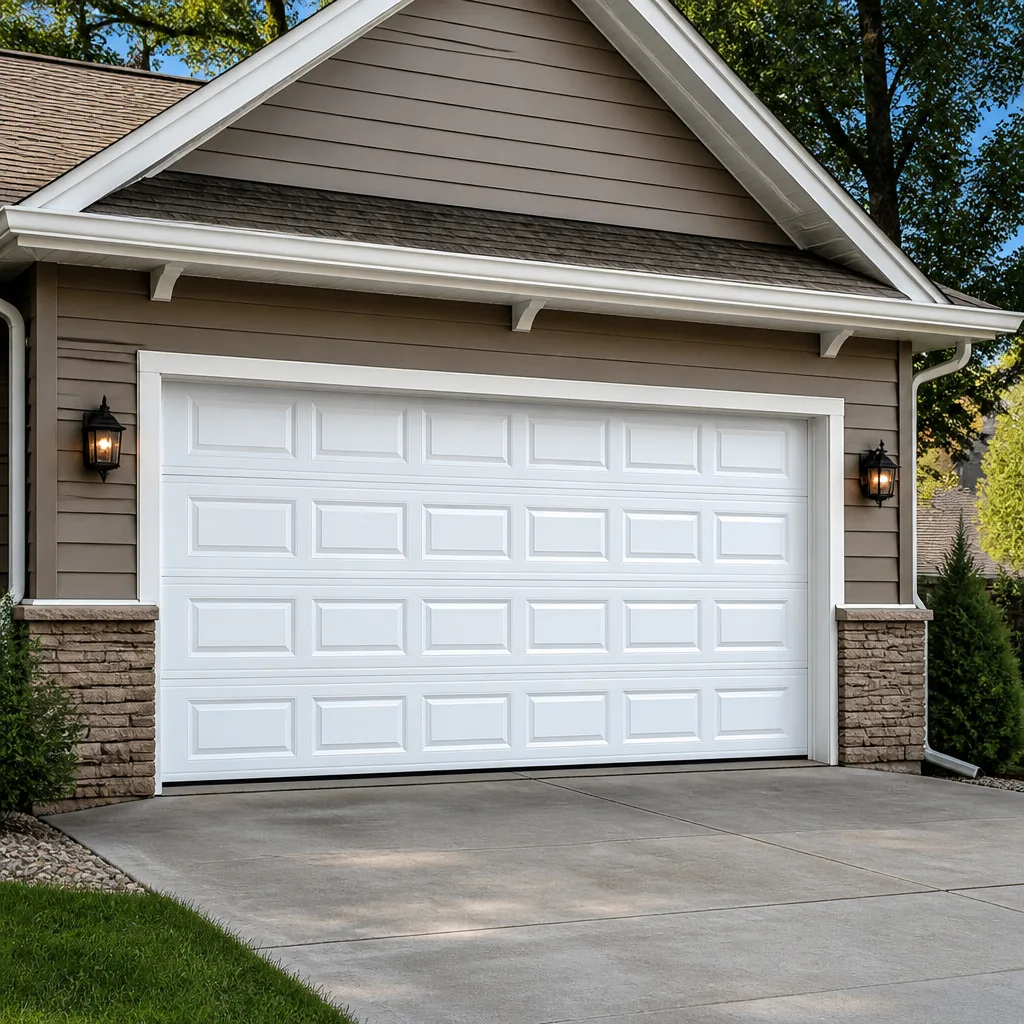 Raised-panel steel
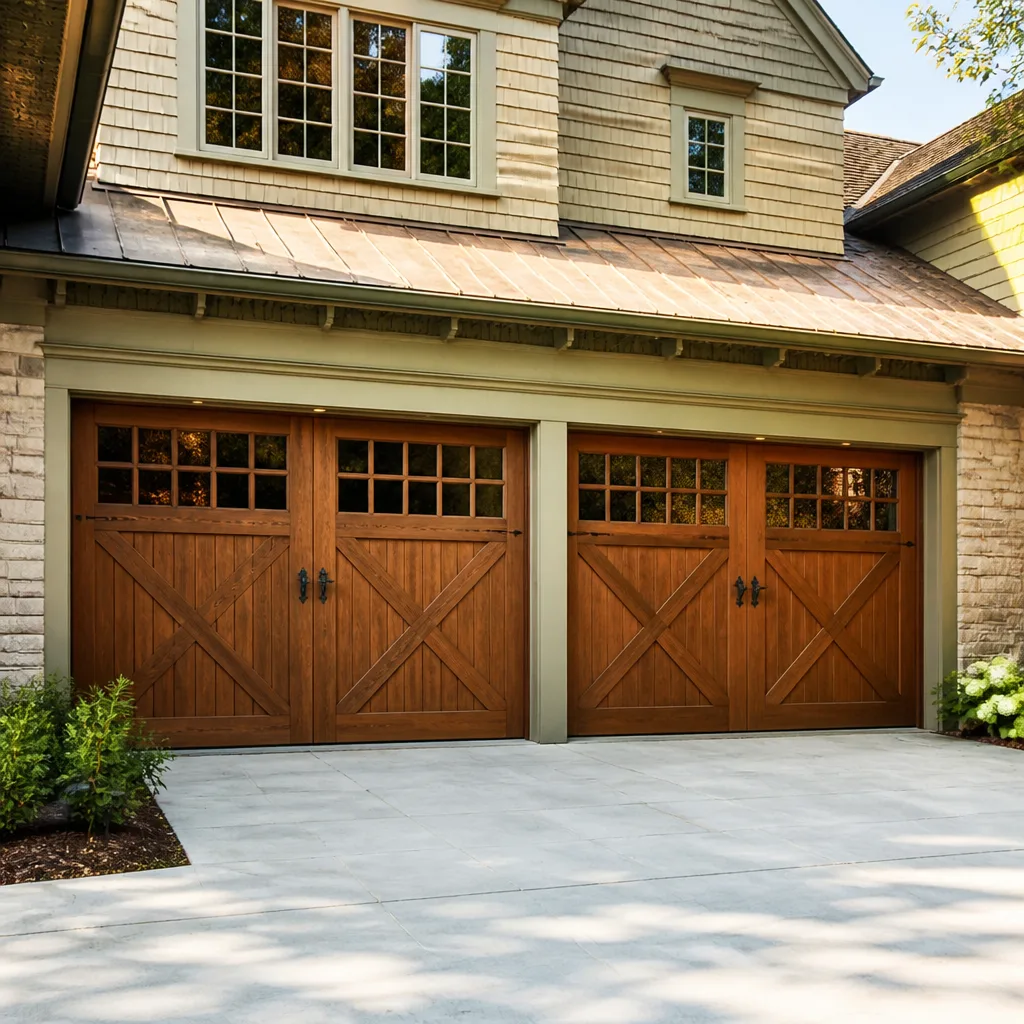 Carriage house
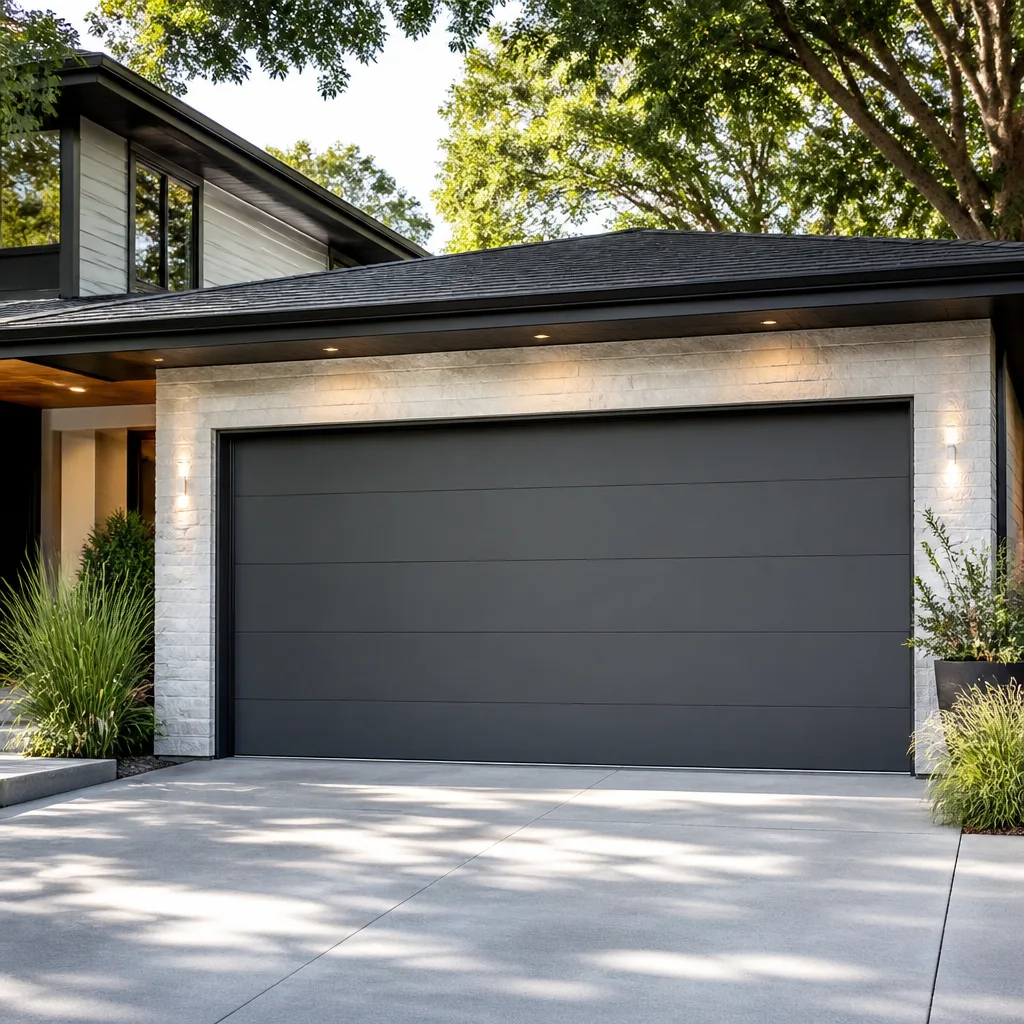 Modern flush
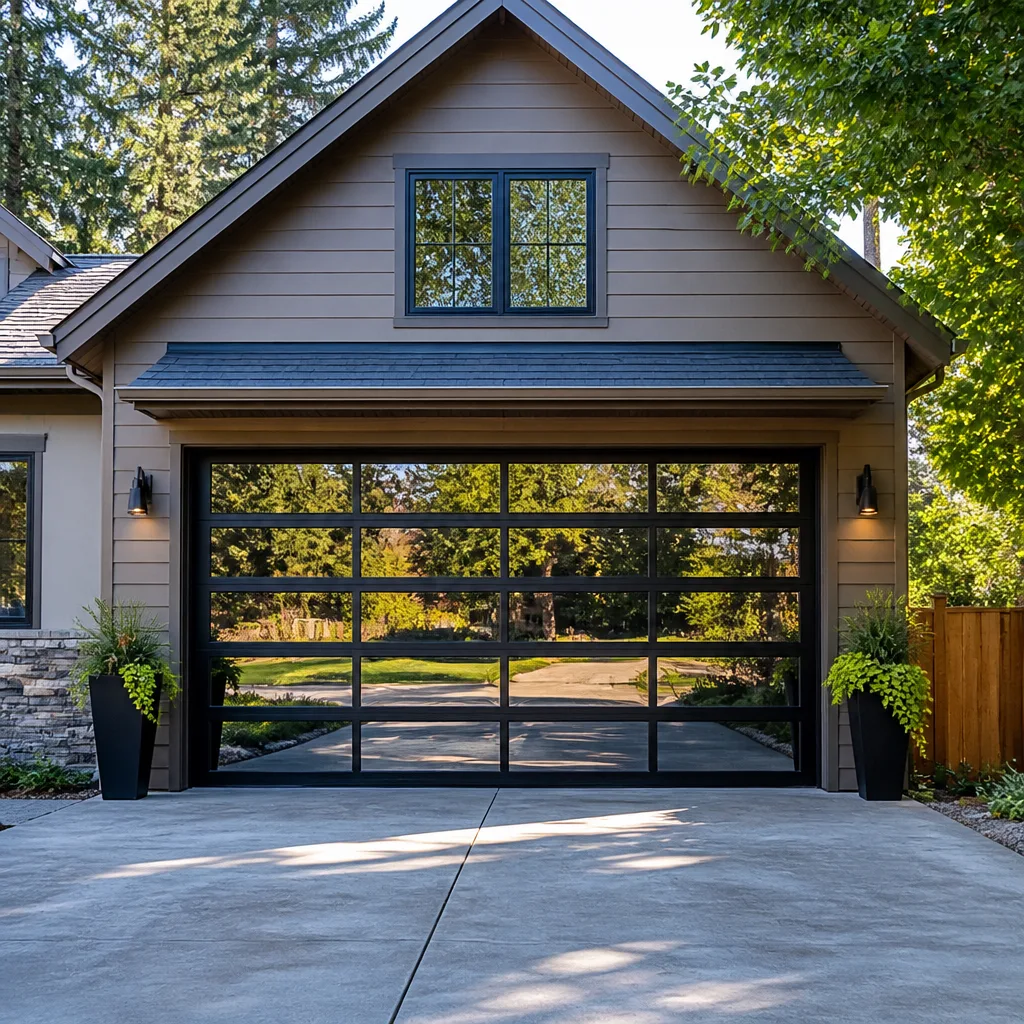 Full-view glass
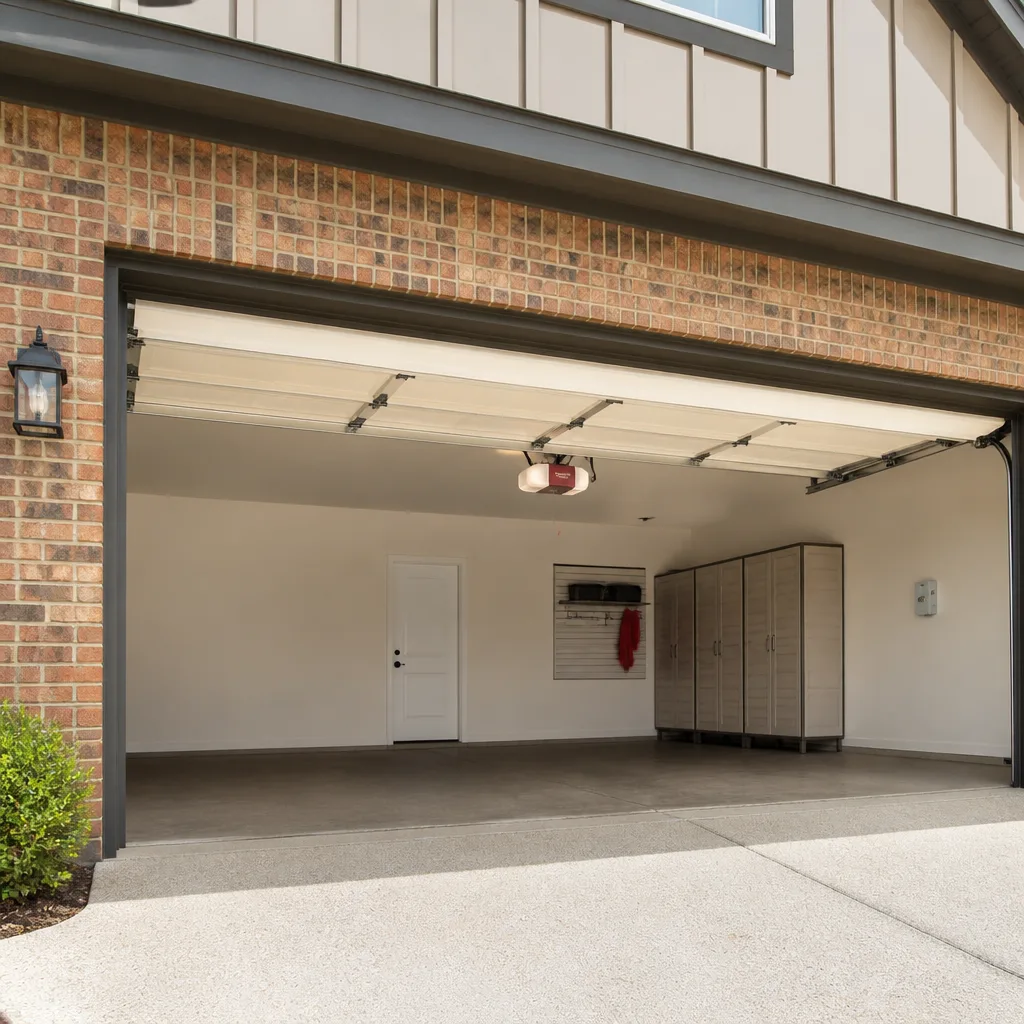 LiftMaster openers
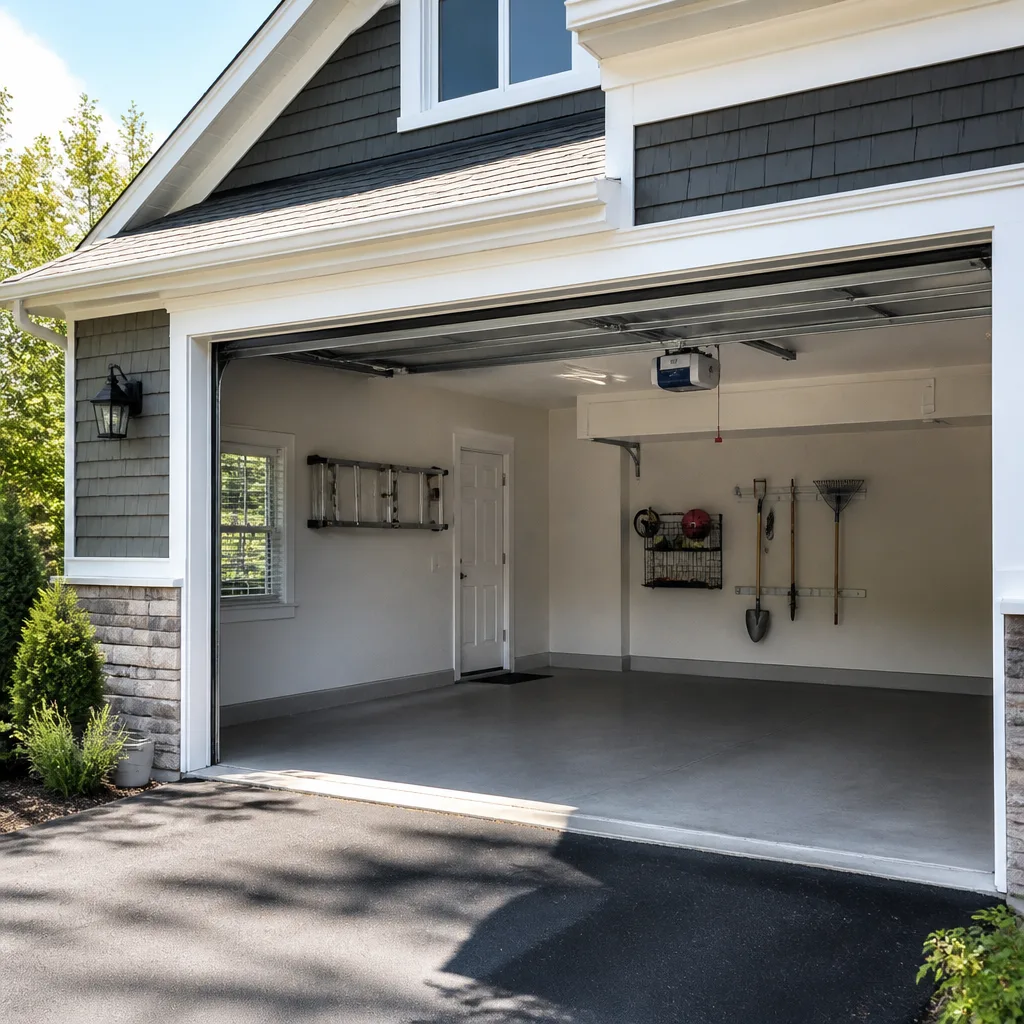 Chamberlain openers
Full 25-point door and opener safety check with every visit - springs, cables, rollers, tracks, and your LiftMaster or Chamberlain opener included
You get a price before we start. It does not change when the pro arrives.
Get your free estimateGarage Door Repair Maintenance Checklist for Concord Homeowners
The thing that shortens a garage door’s life around Concord usually isn’t age. It’s lubrication skipped during the one window when it matters most. Between November and February, our dry-cold nights pull metal tight, and a roller that’s been running dry all fall starts to crack instead of roll. Most of the failure calls we take in Concord trace back to a task that takes four minutes and got postponed. This checklist is built backward from those calls. We start with the failures Concord technicians see most, then work out which maintenance steps would have prevented them. You’ll get a task-by-task breakdown organized by skill level, a lubrication schedule tied to Concord’s seasons, and the red flags that mean stop and call.
Quick Answer
A garage door maintenance checklist for Concord should focus on seasonal lubrication, a monthly balance and safety-reverse test, and inspection of the bottom seal before summer storm season. Homeowners can safely handle lubrication, visual inspections, and the balance test. Spring, cable, and opener wiring work requires a trained technician. The single highest-value habit is lubricating moving metal parts before the dry-cold window in late fall, not on a generic quarterly reminder.
Styles & brands we work with
- Raised-panel steel
- Carriage house
- Modern flush
- Full-view glass
- LiftMaster openers
- Chamberlain openers
Table of Contents
- Why Concord Doors Fail Differently
- What You Can Safely Do Yourself
- The Concord Lubrication Schedule
- How to Run a Balance Test and Read the Result
- Bottom Seals and Weatherstripping Before Storm Season
- Brand-Specific Maintenance Quirks
- Where the DIY Checklist Stops
- A Season-by-Season Calendar for Concord
Why Concord Doors Fail Differently
The Piedmont climate around Concord puts garage doors through a specific kind of stress that a generic national checklist misses. Summer brings humidity and heat that swell wooden panels and soften lubricant until it drips off the tracks. Winter swings the other way: cold, dry air contracts steel and stiffens grease into something closer to wax. A door that opens smoothly in April can grind by January without anything being “broken.”
Those swings matter because garage door components are metal on metal, and metal expands and contracts with temperature. Rollers, hinges, and the torsion assembly all move slightly through the year. Lubricant is what keeps that movement smooth. When it’s gone, friction does the work instead, and friction is what wears bearings, flattens rollers, and puts strain on the springs.
Concord’s housing stock adds a second layer. Many neighborhoods here have a mix of older doors with legacy mechanical openers and newer builds with smart-platform openers from LiftMaster or Chamberlain. Each system wears at its own rate and needs its own attention. A checklist that treats every door the same will miss the specific failure points on the specific system in your garage. That’s the gap this guide closes.
One more thing worth naming: our Harbinger Garage Door Repair technicians have up to experience, and the pattern is consistent. The doors that need major repair are rarely the ones that were maintained obsessively. They’re the ones where nothing was done for two or three years and then a single cold snap finished the job.
What You Can Safely Do Yourself
Some garage door maintenance is genuinely homeowner territory. Other parts of the door can injure or kill a person who doesn’t know what they’re handling. The line between them is clear, and it’s worth learning before you pick up a tool.
Here’s what you can safely handle on your own:
- Lubricating rollers, hinges, tracks, and the opener chain or belt with a proper garage door lubricant (not WD-40, which is a solvent, not a lubricant).
- Visual inspection of springs, cables, panels, and the door bottom for wear, rust, or fraying.
- The balance test described below, done with the door disconnected from the opener and lifted by hand.
- Testing the safety reverse by placing a roll of paper towels under the closing door.
- Cleaning the photo-eye lenses and checking that the beam is aligned.
- Wiping down the bottom seal and checking for cracks or gaps.
- Tightening visible hinge and bracket bolts that have worked loose, using hand tools only.
And here’s what you should never touch:
- Springs. Torsion and extension springs are under enormous tension, and adjusting or replacing them without the right tools and training is one of the most dangerous DIY jobs in any home.
- Cables. They carry the same load as the springs and can snap with serious force.
- Opener wiring or electrical connections. Beyond unplugging the opener, wiring is technician work.
- Track alignment. Bending a track back into place by hand usually makes it worse, and a misaligned track can drop the door.
If you’re ever unsure which category a task falls into, treat it as the second one. Our garage door repair team would rather answer a five-minute question than fix a problem that started with a hopeful homeowner and a wrench.
The Concord Lubrication Schedule
Generic checklists tell you to lubricate quarterly. That advice ignores the one seasonal window that matters most here, which is the dry-cold stretch from November through February. During that period Concord’s air is at its driest and coldest, metal contracts, tolerances tighten, and any roller that’s been running dry starts to crack under the extra friction. Lubricating in late October, before that window opens, is the highest-value maintenance task of the year.
A schedule built for Concord looks like this:
- Late October (the critical one): Lubricate all rollers, hinges, the torsion bar bearing plates, and the opener chain or belt with a garage-door-specific lubricant. This is your winter insurance.
- Early March: Re-lubricate after the cold season, and wipe away any thickened or gummy residue left from winter. This is also the moment to check for cracks that developed over the cold months.
- Late May, before storm season: Lubricate the tracks with a light coating (not a heavy spray, which will just collect grit), and re-check the door bottom seal while you’re at it.
- Mid-August: Re-lubricate moving parts that have dried out during the hot, humid summer. Heat makes lubricant run and evaporate faster than most homeowners expect.
That’s four passes a year, not twelve, and each one is aligned to a season where Concord’s climate does something specific to your door. If you do nothing else from this guide, do the October pass. Everything downstream gets easier when that one is done.
A few lubrication details that matter:
- Use a garage-door-specific lubricant with a spray or gel consistency. Standard WD-40 is a penetrating oil, not a long-term lubricant, and will dry out faster than the label suggests.
- Don’t over-apply. Excess lubricant collects dust and grit, which turns into an abrasive paste in the tracks.
- Never lubricate the inside of the track itself. It’s designed to run dry. Lubricate the rollers and hinges, not the channel they travel in.
- Wipe up drips right away. Lubricant stains on concrete driveways are hard to lift once they’ve set.
If you’re not sure which parts of your specific door need lubrication, or you’d rather have a trained eye do it, our garage door opener repair specialists can handle the moving-parts pass as part of a routine visit.
How to Run a Balance Test and Read the Result
The balance test tells you whether your springs are still carrying their share of the door’s weight. If they aren’t, the opener is doing work it wasn’t designed for, and that’s where premature opener failure and sudden spring breaks come from. This is the single most useful test a Concord homeowner can run, and it takes under two minutes.
Here’s how to do it:
- Close the door fully and pull the red emergency release handle to disconnect it from the opener. The door should now move by hand.
- Lift the door about halfway up, then stop and let go.
- Watch what the door does next.
Now the parts that matter, how to read the result:
- The door stays put. That’s balanced. Springs are doing their job.
- The door slides down on its own. The springs are weak or losing tension. A door that drifts down more than a hand’s width is showing early spring fatigue, and it will likely need attention in the next few months.
- The door slides up on its own. The springs may be over-tensioned or the setup may be off. Both are technician territory.
- The door drops fast or the movement feels sudden or jerky. Stop here. Do not run the test again. A door that slams or jumps when released is a sign the springs are close to failing, and a broken spring under load can snap the cables with it. Call a professional before you operate the door again.
Don’t skip the reconnect step. Once you’ve finished testing, close the door fully and pull the release handle back into its engaged position, then run the opener through a cycle to confirm the carriage has re-latched properly. A door that’s still disconnected from the opener won’t respond to the remote, and homeowners sometimes panic when that happens.
One important caveat: run this test only if the door feels normal when you lift it. If it feels unusually heavy, binds, or makes a loud noise during the lift, don’t test the balance at all. That’s already a sign the system needs a technician.
Bottom Seals and Weatherstripping Before Storm Season
Concord’s summer storm season is when the bottom seal earns its keep. That rubber strip along the bottom of your door is the only barrier between your garage and rain blowing sideways under the door. When it’s intact, water stays out. When it’s cracked or compressed, water finds the gap and starts working on the concrete slab, the door’s bottom panel, and anything stored in the garage.
Check the seal by closing the door and looking along the bottom edge from outside. Then look from inside with a light on the ground. Gaps and daylight mean it’s time for replacement. Cracks, tears, or a seal that’s gone hard and flat are the same signal.
Red flags that matter in Concord specifically:
- A hard, flattened seal. Piedmont heat bakes the rubber through summer, and a flattened seal no longer conforms to the concrete as it shifts slightly through the year.
- Cracks at the corners of the seal. These are tiny until the first heavy rain, then the water finds them and starts pooling at the garage corners.
- Water stains on the garage floor inside the door line. This is the seal already failing on the worst days. It’s the most reliable early indicator we see in Concord homes.
- Daylight visible under the door. A gap of any size lets in water and small pests.
- Weatherstripping around the door frame pulling loose. Side and top weatherstripping protect the frame and the door edges; gaps here let water track behind the trim and into the wall cavity.
Replacing a bottom seal is a homeowner-level job on most doors, and it’s one of the cheapest ways to prevent real damage. Weatherstripping is only slightly more involved. The important timing point is to do this in spring, before the first heavy storm, not after you’ve discovered the leak. If the bottom panel or door bottom has already taken on water and started to delaminate, that’s garage door repair territory, because a panel that’s warped won’t seal properly no matter how good the new strip is.
Brand-Specific Maintenance Quirks
The eight most-installed brands in Concord homes each have their own wear patterns, and a checklist that treats them as identical will miss the specific failure points on your system. If you know the brand on your door or opener, this section saves you time. If you don’t know, the label on the opener housing or the inside of the door will usually tell you.
Here’s what we look for on the brands we see most in Concord:
- Clopay doors: Panel seams and roll-up hinges need attention earlier than most. Bare steel panels benefit from an annual check for surface rust at the bottom edge, where road water and irrigation splash collect. On steel-backed doors, check the underside of the bottom panel for early corrosion in the fall.
- Wayne Dalton doors: The TorqueMaster-style torsion system is common on this brand, and the spring assembly is sealed inside a tube. That means you can’t visually inspect the spring the way you can on a bare torsion bar. Watch for balance drift instead, since that’s the earliest sign of a tube-spring losing tension.
- LiftMaster and Chamberlain openers: Belt and chain tension, plus photo-eye alignment, are the two recurring items. Both brands are common on smart-platform openers here, and the app-based diagnostics can flag a slow door before you hear anything yourself.
- Genie openers: Legacy chain-drive units are widely installed in older Concord homes. The chain needs lubrication more frequently than a belt, and the carriage trolley on older units tends to wear at the point where it meets the rail.
If your door or opener isn’t on the brand list you know well, that’s fine. The maintenance basics don’t change. But knowing which brand you have means a technician with up to experience working on that specific system can arrive familiar with it, rather than learning your opener on the job. Our team works daily on LiftMaster, Chamberlain, Genie, Clopay, Amarr, Wayne Dalton, Craftsman, and Raynor, and the brand-specific differences are real once you’re looking at them.
Where the DIY Checklist Stops
Every responsible maintenance guide needs to tell you where it ends. We’d rather you close this page and call than try a task that puts you at risk.
Here are the clear stop lines. Do not attempt these yourself:
- Anything involving the springs. Whether it’s a torsion bar, a tube system, or extension springs on a single-piece door, springs hold enormous stored energy. A trained technician uses specific tools and a controlled procedure. A homeowner with a wrench is at serious risk of injury, and a broken spring under tension can damage the door, the tracks, and anything nearby.
- Cables. Cables are under the same load as the springs. Frayed cables need replacement, not repair, and the door should not be operated until a technician has done that.
- Opener electrical work beyond the plug. If the opener has a wiring fault or a burned-out logic board, that’s a technician diagnosis. Don’t open the housing.
- Track realignment. A bent track should be replaced, not bent back. Bending a track by hand usually creates a worse problem further along, and a misaligned track can drop the door.
- Replacing a door panel on a lift-torsion system. Panel replacement is normally easy on most doors, but if the door uses a lift-torsion or high-lift track configuration, the door has to be properly supported before any panel comes off.
- A door that does anything sudden, loud, or heavy during the balance test. A door that slams down or jumps when released is already telling you a spring is close to failure. Handle that with a call, not a wrench.
If you’re reading this list and thinking “I already knew most of that,” the next question is where exactly to start. The short answer: lubrication is always safe, the balance test is safe if the door feels normal, and everything past that depends on what your inspection finds.
A Season-by-Season Calendar for Concord
Here’s the full checklist, condensed by month. Run this on a calendar and it becomes an hour of work a year, spread across four short visits.
Late October: Lubricate all moving parts, do the balance test, tighten visible hinge bolts, and check the opener’s belt or chain tension. This is the critical pre-winter pass.
Late December / early January: Quick visual check of springs and cables from a safe distance. Run the safety reverse test. Don’t lubricate in the coldest week, wait for a milder day if the door feels stiff.
Early March: Re-lubricate, wipe away thickened residue from winter, and inspect for cracks or rust that developed over the cold months. Run the balance test again.
Late May: Check and clean the bottom seal, re-check weatherstripping, test the safety reverse, and clean the photo-eye lenses. This is the storm-season prep pass.
Mid-August: Re-lubricate anything dried out by summer heat, check for water damage from storm season, and test the opener’s response and safety reverse one more time.
That’s the whole year. Four real visits, each under an hour, each aligned to a climate event that Concord actually has. A homeowner who runs this calendar tends to call for repair for the things that genuinely wear out, not the things that were neglected.
If you’d rather hand the maintenance to a trained technician, or you’re reading this because a door is already making a noise you don’t like, our Concord team handles repair, opener repair, and installation under one company name. From a broken spring today to a full installation when the door reaches the end of its life, you don’t have to start over with a new provider halfway through.
Common Mistakes to Avoid
- Skipping the October lubrication pass. Concord’s cold, dry winter contracts metal, and a dry roller starts cracking the first week. Four minutes in October saves the replacement cost later.
- Using WD-40 as a lubricant. It’s a solvent and water displacer, not a long-term lubricant. It’ll quiet the door for a week and then leave it drier than before.
- Lubricating the inside of the track channel. Tracks are meant to run dry. Grease in the channel collects grit and turns into an abrasive paste that wears the rollers faster.
- Treating the balance test as a formality. A door that drifts down when released is warning you a spring is failing. Homeowners sometimes skip the test once and forget about it until the spring breaks.
- Waiting for the first storm to check the bottom seal. Concord’s summer storms find every seal crack. Check in May, not in July after the carpet’s wet and the panel edge is swelling.
- Using a generic checklist on a brand-specific door. A Clopay steel door wears differently from a Wayne Dalton tube-spring system. The maintenance basics overlap, but the failure points don’t.
- Ignoring a small noise. A rattle, a creak, or a slightly heavier lift is usually a specific thing a technician can identify and fix before it becomes a repair. Waiting isn’t patience on a garage door, it’s multiplication.
See the difference
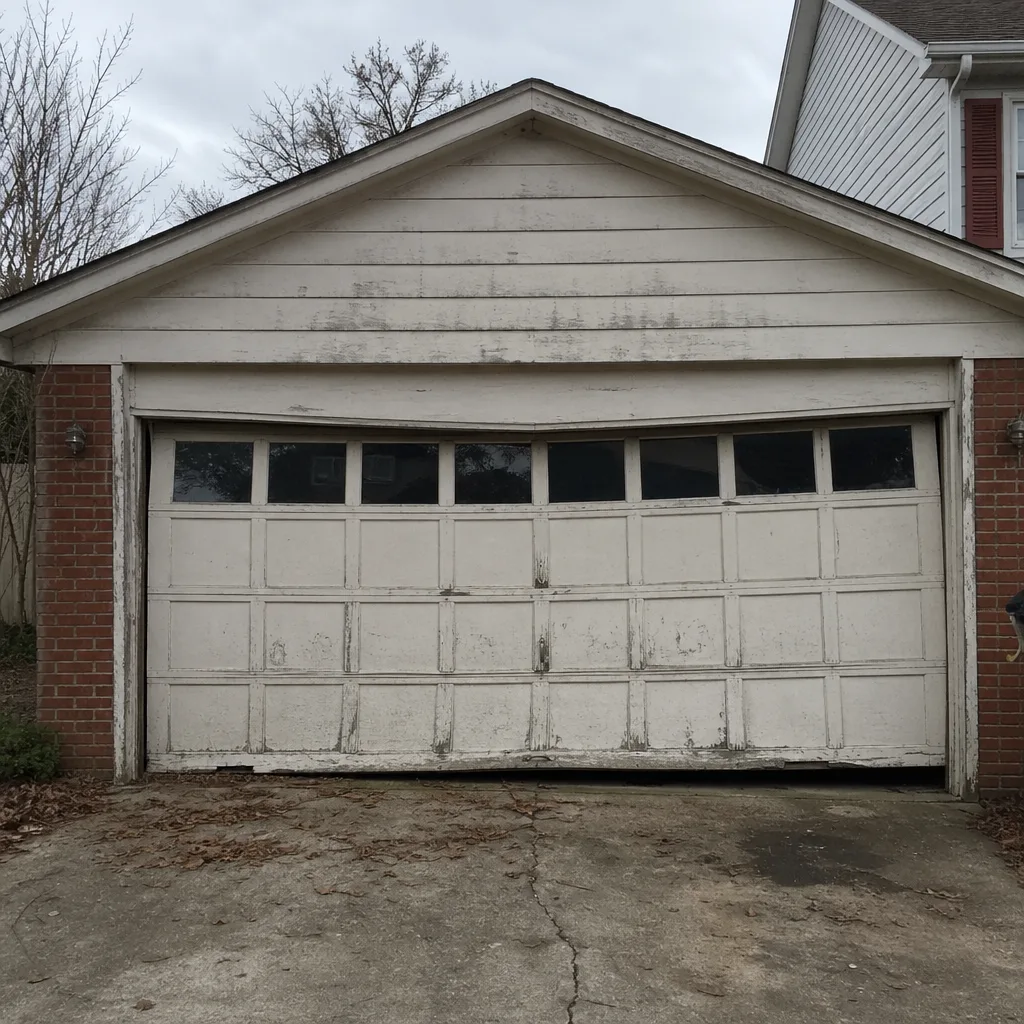 Before
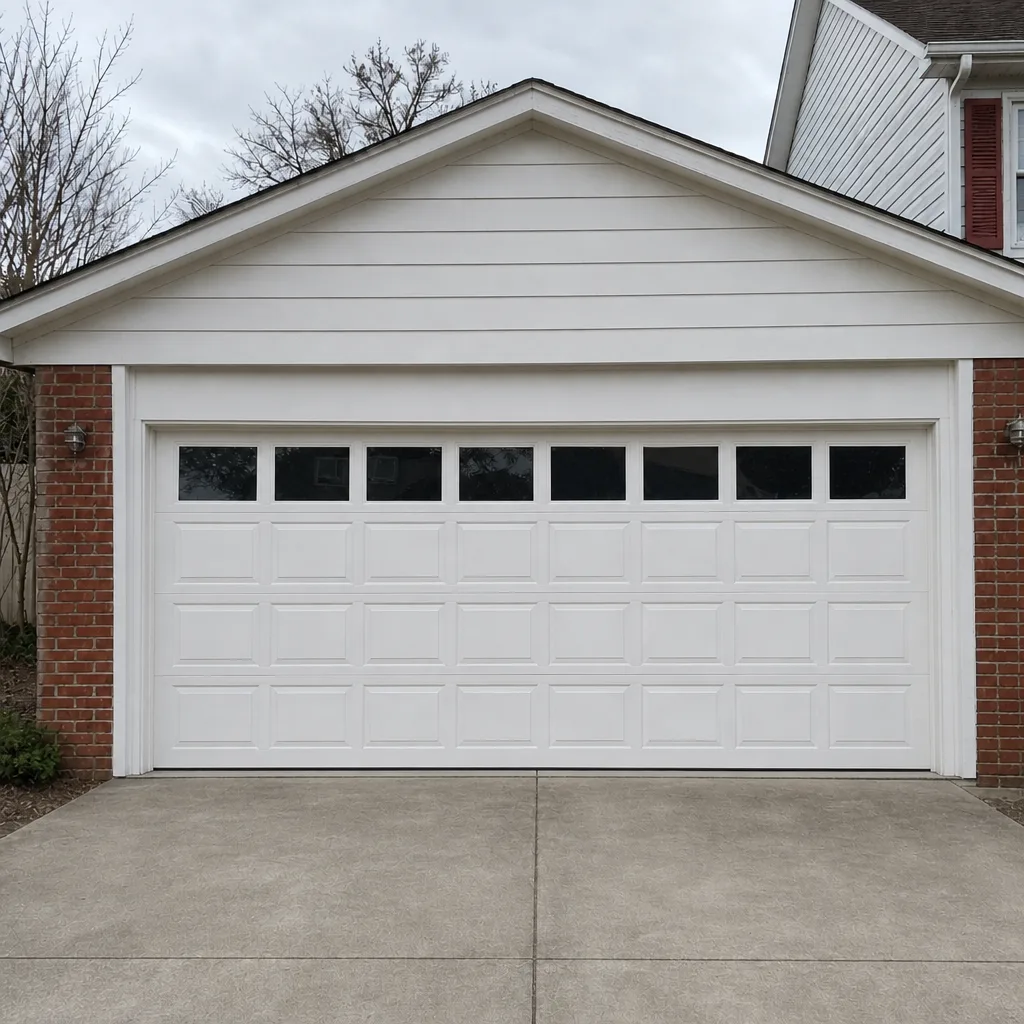 After
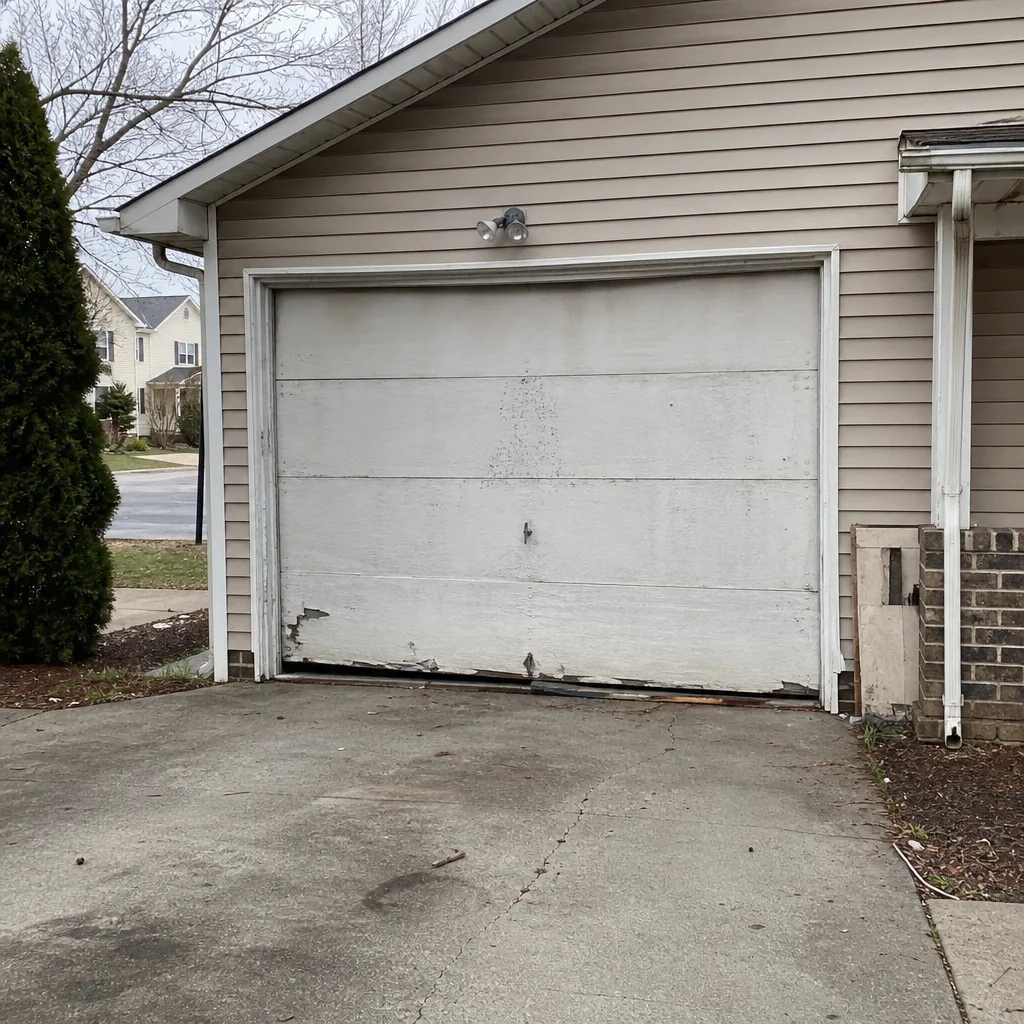 Before
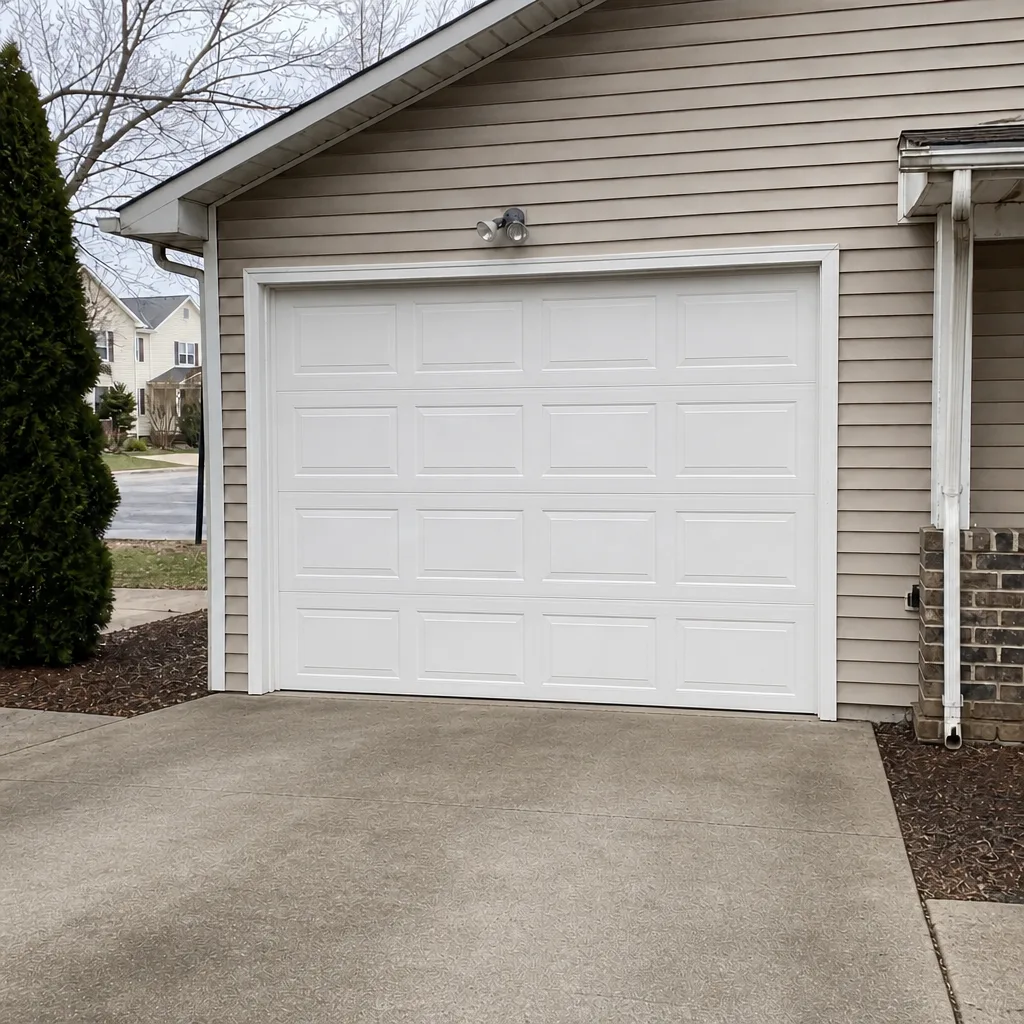 After
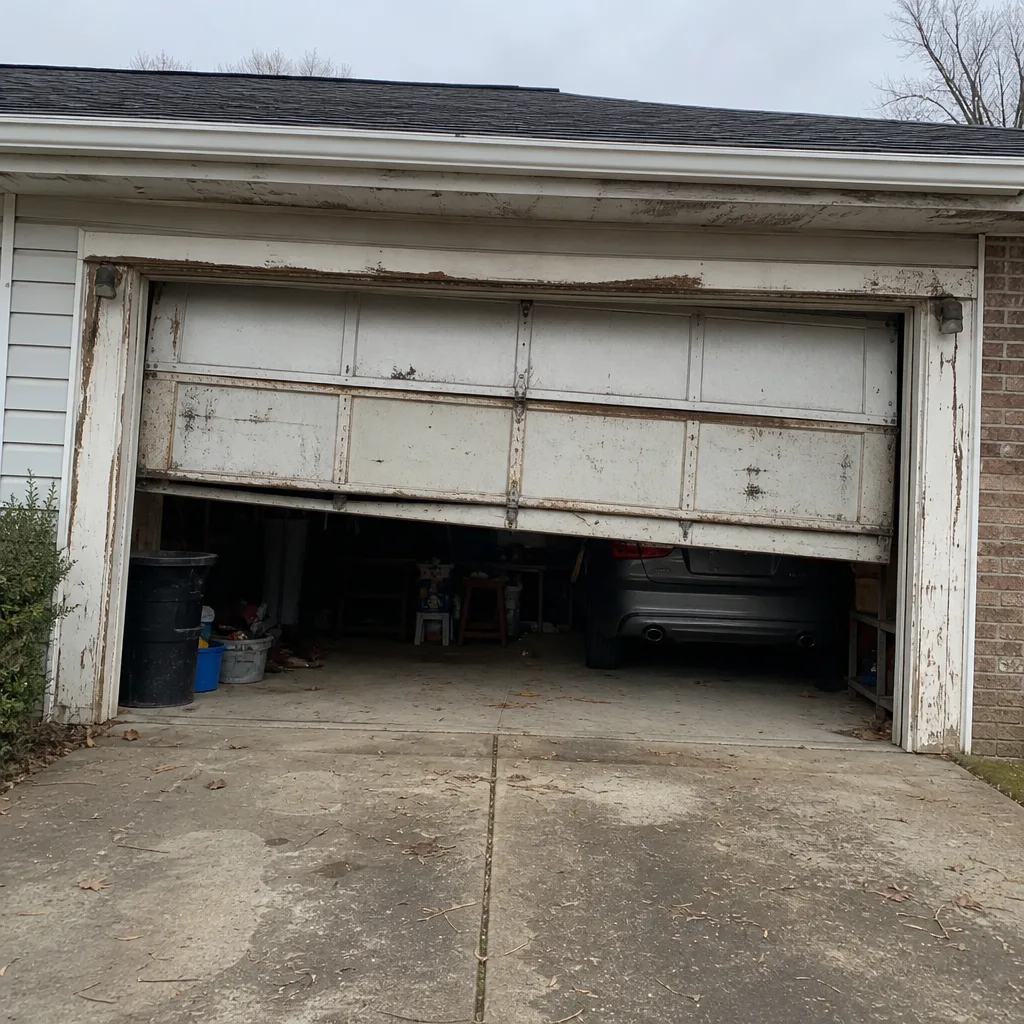 Before
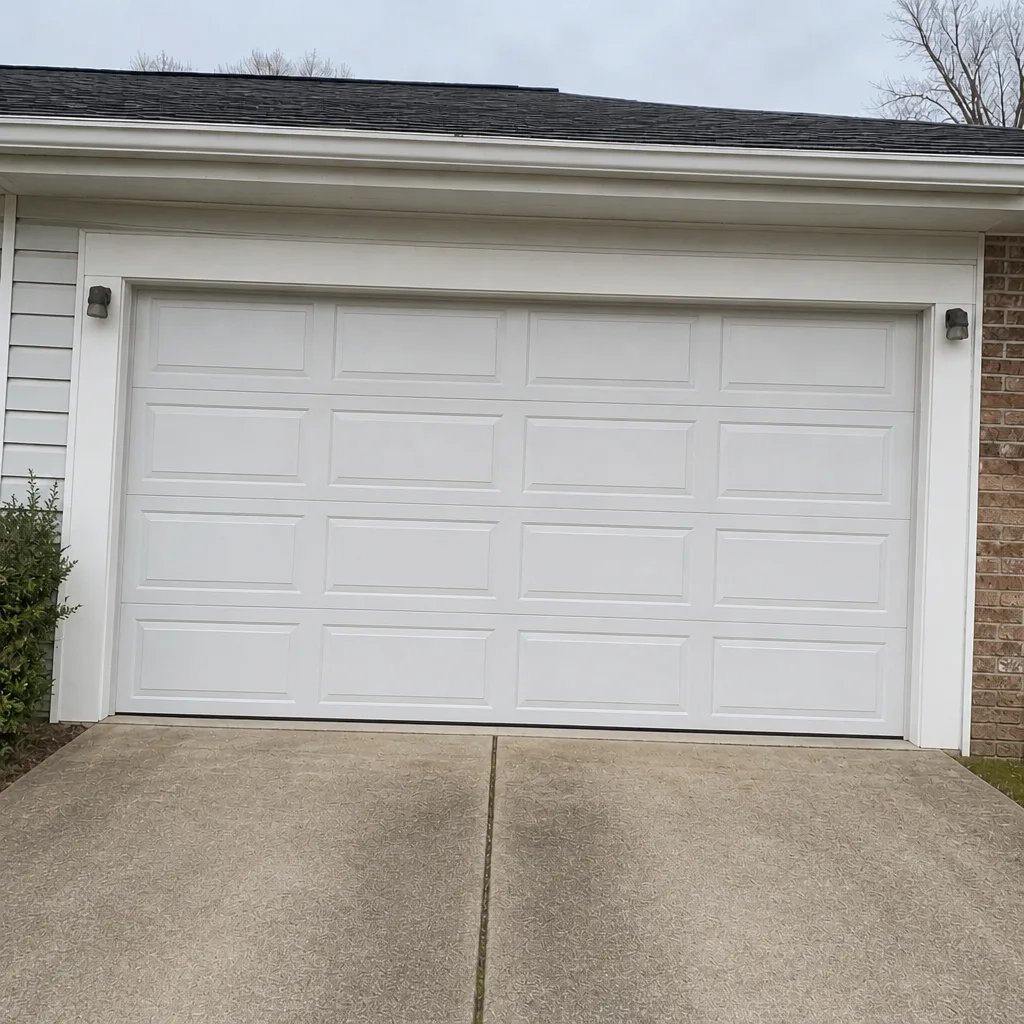 After
When to Call a Professional
Call Harbinger Garage Door Repair in Concord when any of the following is true:
- The balance test shows the door drifting down, slamming, or moving in a way that feels heavy or sudden.
- You can see rust, fraying, or gaps on the springs or cables, or a broken spring has left the door stuck.
- The opener runs but doesn’t move the door, reverses unexpectedly, or won’t respond to the remote.
- The bottom panel or seal shows water damage, delamination, or a gap that reopening won’t close.
- The safety reverse test fails, which means the door is not currently safe around children or pets.
- The door has reached the end of its life and you’re deciding whether to repair or replace.
Harbinger Garage Door Repair offers free estimates in Concord – call (866) 942-7643. Our technicians have up to experience across LiftMaster, Chamberlain, Genie, Clopay, Amarr, Wayne Dalton, Craftsman, and Raynor systems. The written estimate sets the price, so there’s no guessing once the work starts.
Frequently Asked Questions
Four times a year, timed to Concord’s seasons: late October, early March, late May, and mid-August. The October pass matters most because the cold, dry stretch from November to February contracts metal and cracks dry rollers. Skip that pass and the other three won’t fully protect you. Call (866) 942-7643 if you’d like a technician to handle the lubrication pass for you.
No. Springs are under extreme tension and require specific tools and a controlled procedure, and a broken spring under load can cause serious injury. This is technician work, every time. If you suspect a spring is failing, stop operating the door and call (866) 942-7643 for a free estimate.
It means the springs are losing tension and the door is already showing early spring fatigue. A door that drifts down more than a hand’s width is one that will likely need attention in the next few months. If it drops suddenly or slams, treat it as urgent and call (866) 942-7643 before you run the door again.
Cold, dry air contracts the metal components and thickens lubricant, so metal-on-metal parts that ran smoothly in fall start to bind. If a door gets stiff when temperatures drop, it usually means lubrication was skipped in October, or the lubricant in place isn’t cold-rated for the season. Call (866) 942-7643 for a winter-ready check.
Before. Replace a cracked or flattened bottom seal in late spring, before Concord’s summer storm season arrives. A failing seal that’s allowed to leak through the summer tends to damage the bottom panel too, which turns a cheap fix into a full panel replacement. Call (866) 942-7643 for a free estimate on seal replacement or panel repair.
Yes, at the margins. A Clopay steel door wears differently from a Wayne Dalton tube-spring system, and a LiftMaster smart opener needs different checks from a legacy Genie chain drive. The general tasks are the same, but knowing your system focuses the maintenance on the parts that actually fail. Our team works daily on all eight major brand lines; call (866) 942-7643 for an exact quote, and estimates are free.
The Bottom Line
The core message of this guide is simple. Garage door failures in Concord are more often caused by skipped maintenance than by hard use, and the single most valuable task is lubricating before the dry-cold window in late fall. Run the balance test a few times a year and treat a door that drops or slams as a stop-immediately signal. Check the bottom seal before storm season, not after. Learn your brand and the failure points specific to it. Everything else you can safely do on your own, and everything past that gets a call. The written estimate sets the price, so the cost of getting it right is known before any work begins.
Ready to get ahead of a repair? Call (866) 942-7643 for a free estimate. We answer 24/7. Fast dispatch from 7am to 7pm, Sunday through Friday. Our team handles garage door repair and opener work in Concord with technicians who already know your system.
Written by the team at Harbinger Garage Door Repair.