
Last updated November 15, 2026
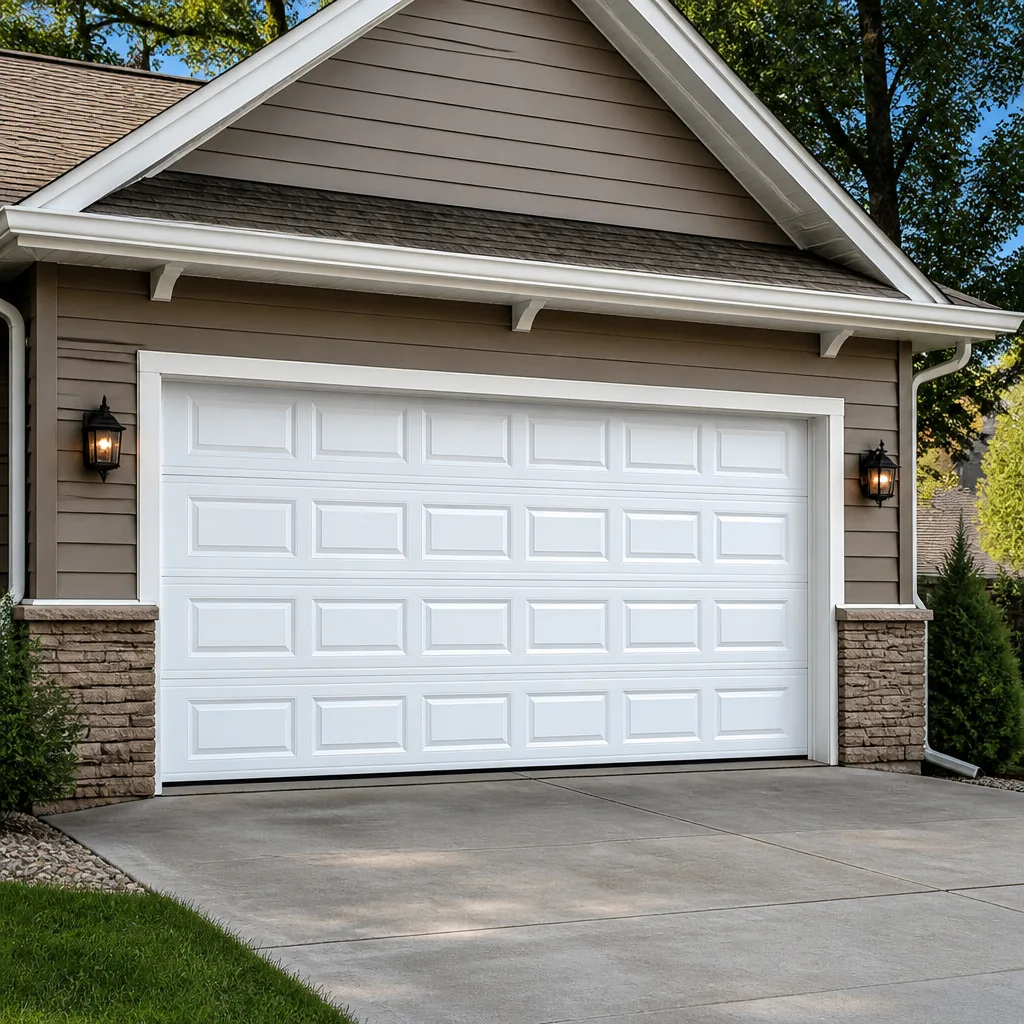 Raised-panel steel
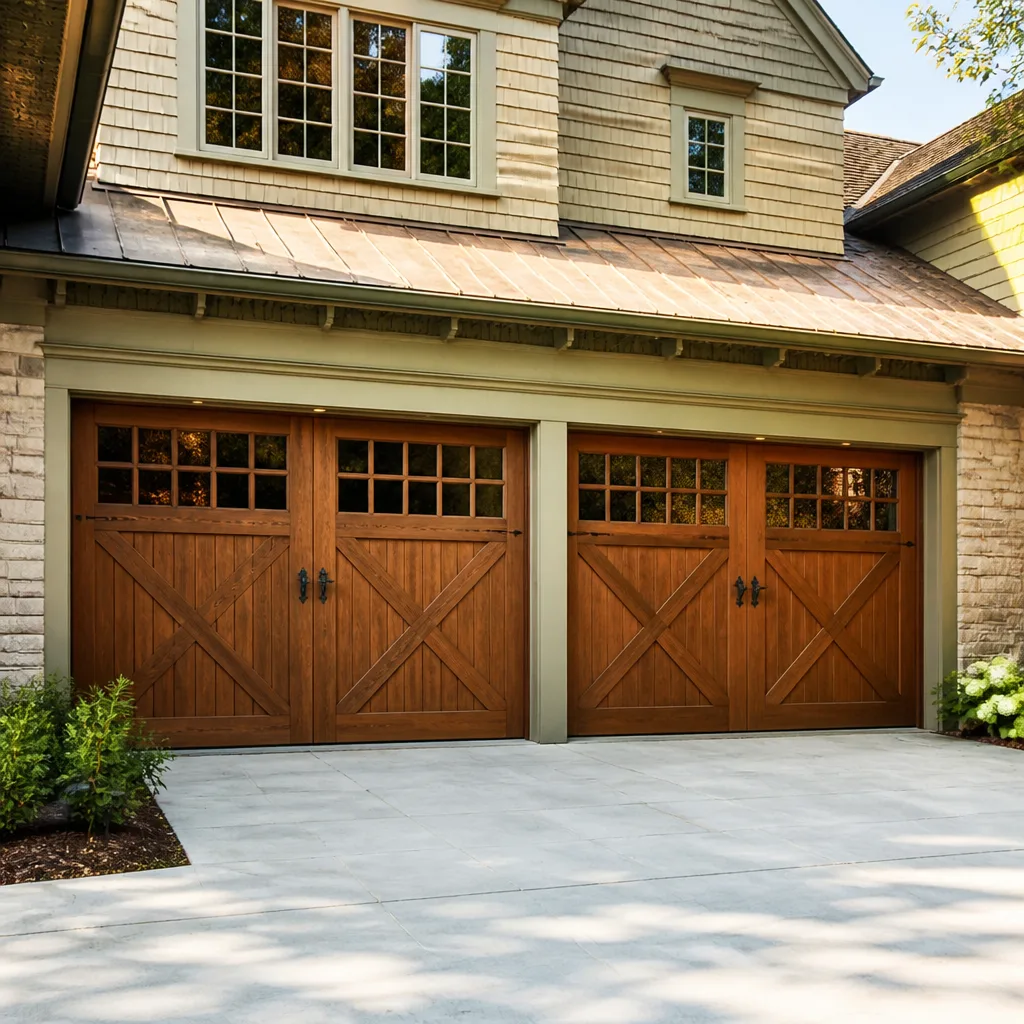 Carriage house
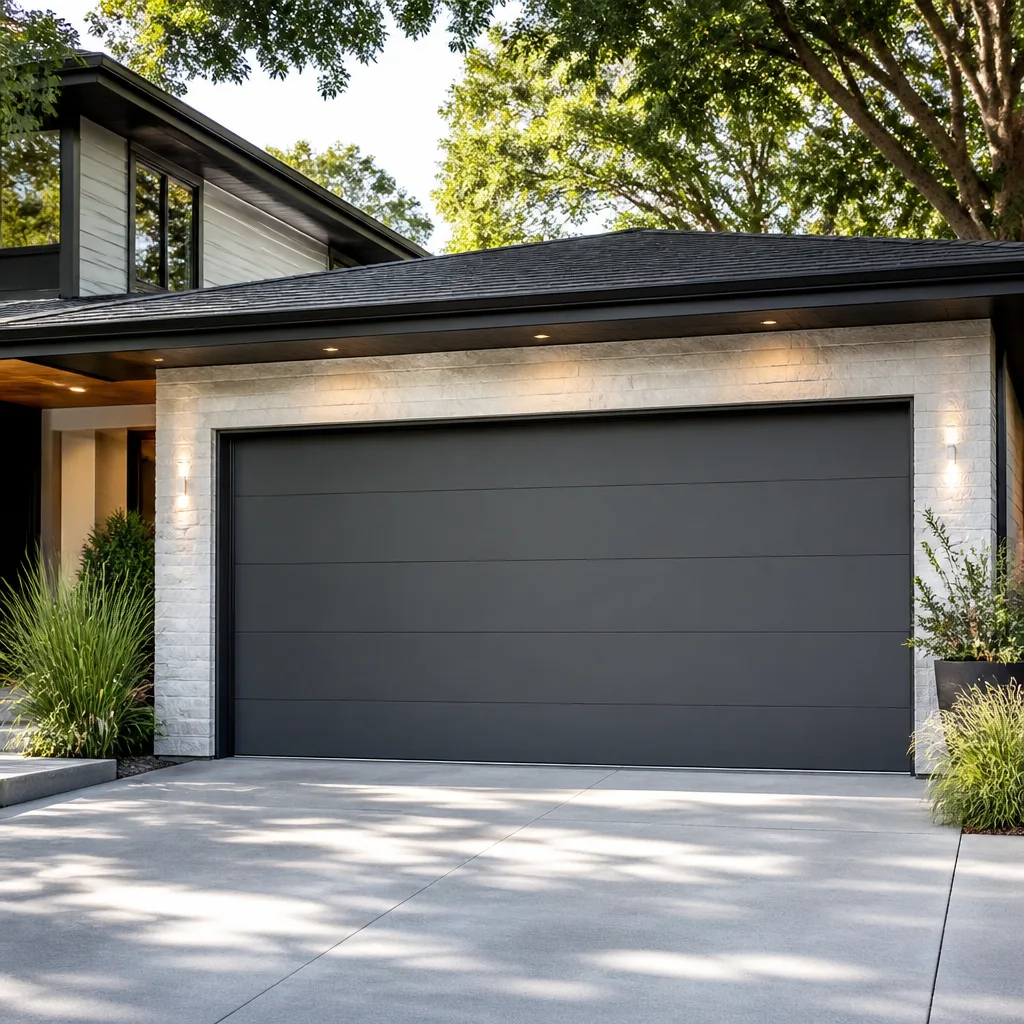 Modern flush
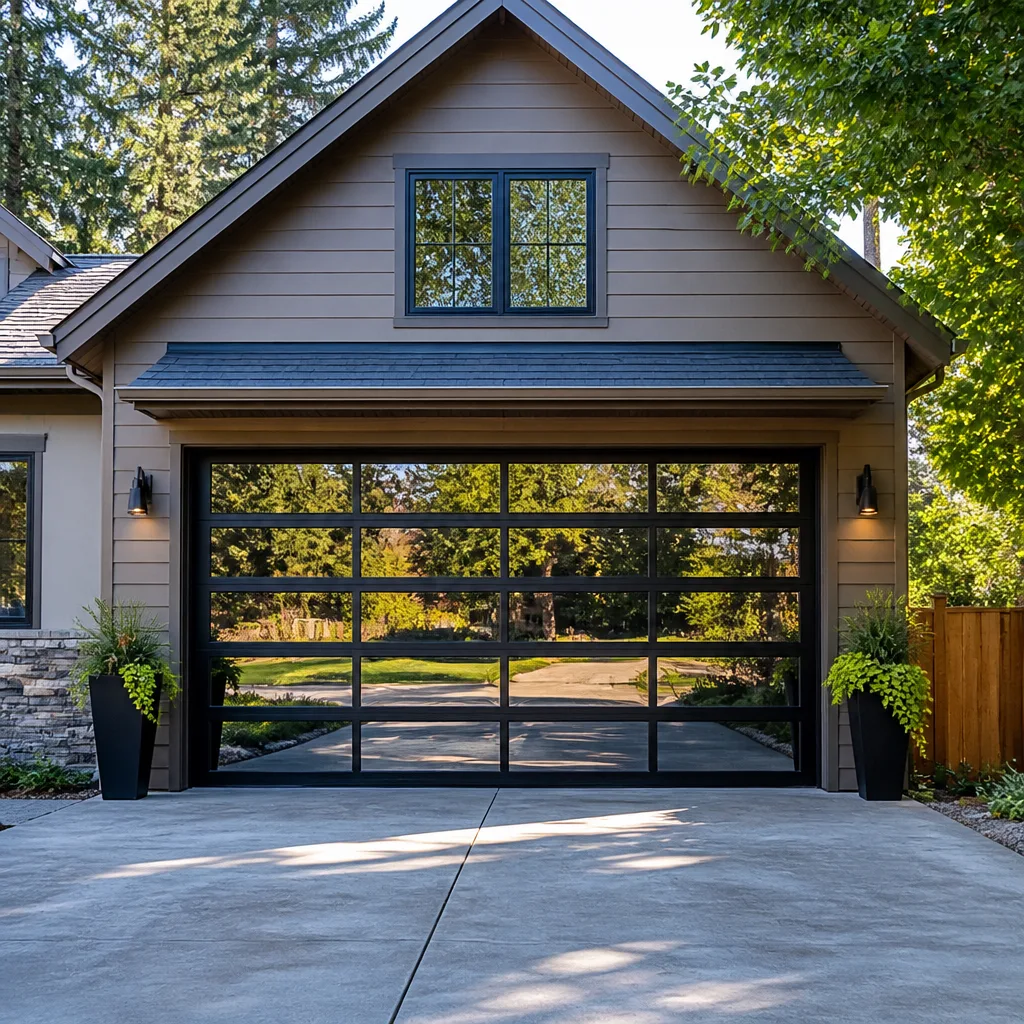 Full-view glass
 LiftMaster openers
 Chamberlain openers
Full 25-point door and opener safety check with every visit - springs, cables, rollers, tracks, and your LiftMaster or Chamberlain opener included
You get a price before we start. It does not change when the pro arrives.
Get your free estimateGarage Door Permits, Codes & Inspections in Concord, NC: What You Need to Know
Most homeowners assume a garage door is a simple appliance swap that happens entirely in the driveway, no paperwork required. The truth is messier. In Concord, whether you need a building permit for a garage door project depends on a handful of factors almost nobody explains before the estimate gets signed: whether the door is new or a like-for-like replacement, whether electrical work is involved, and whether the opening’s structural header is changing. Get that distinction wrong, and you can end up with a door that works fine but creates a snag when you sell. This guide walks through which projects require a Cabarrus County permit, which are exempt, how to check permit history on an existing door, and what the inspection actually looks at.
Quick Answer
In Concord and the rest of Cabarrus County, a straight like-for-like garage door replacement of the same size and type usually does not require a permit, but a brand-new installation, a change in door size, structural modifications to the opening, or any new electrical wiring for an opener typically does. When a permit is required, the work must be inspected before the job is considered complete. Homeowners buying or selling a Concord home should verify permit history on the garage door directly through the county’s online portal rather than relying on a seller’s word.
Styles & brands we work with
- Raised-panel steel
- Carriage house
- Modern flush
- Full-view glass
- LiftMaster openers
- Chamberlain openers
Table of Contents
- Which garage door projects need a Cabarrus County permit?
- Which garage door projects are typically exempt?
- How to verify permit status on an existing Concord door
- NC Residential Building Code sections that matter for garage doors
- Wind load requirements for larger garage doors in Concord
- HOA architectural approval: the parallel process
- What the inspection covers and how to prepare
- Common mistakes to avoid
Which garage door projects need a Cabarrus County permit?
The dividing line is usually not the door itself. It’s the scope of what changes around it. A permit becomes part of the picture when the work goes beyond swapping one door for an identical one in the same opening.
The following situations typically require a permit through Cabarrus County before work begins:
- A new installation where an opening is being cut into a wall, or where a garage door is being added to a structure that didn’t previously have one.
- A change in door size, including widening or heightening the opening, which means the structural header above the door needs to be altered or replaced.
- Any new electrical work for a garage door opener, including a new dedicated circuit or new wiring run from the electrical panel.
- Structural changes to the framing around the opening, jack studs, or the header.
- Replacement of a door with a different type where the load-bearing assumptions of the opening change, such as moving from a sectional door to a one-piece tilt-up in certain structural situations.
That last point is subtler than most contractors admit. A sectional door and a tilt-up door load the same opening differently, and if the truss or header above the door was sized for one type, the county may want a structural review before approving the change. In our experience, the projects that surprise homeowners most are the ones where the door itself looks like a simple replacement but the opener wiring or the header framing pushes the work into permit territory.
The key distinction is this: the permit is not about the garage door as a product. It’s about whether the building envelope or the electrical system is being altered. Once you frame the question that way, the permit requirements become much easier to predict.
Which garage door projects are typically exempt?
Like-for-like replacement is the category that most often avoids the permit requirement, and it’s also the category most home improvement projects fall into. If the door is the same nominal size, same type, same track configuration, and the same opener is being reused or replaced with an identical unit wired to the existing circuit, most jurisdictions treat that as ordinary maintenance.
Projects that are generally exempt in Concord:
- Panel replacement on an existing sectional door, where only the damaged or dented panels are swapped.
- Spring and cable replacement, since these are considered maintenance on an existing assembly.
- Opener replacement where the new unit sits on the existing electrical circuit and no new wiring is run.
- Track, roller, and hinge replacement on an existing door.
- Painting, cosmetic panel swaps, and other finish work that doesn’t touch structure or electrical.
Exempt doesn’t mean unregulated. The door still has to be installed to manufacturer specifications and to the building code, and an inspector can cite a code violation on an exempt project if the installation itself is unsafe. The exemption only removes the pre-approval step, not the standard. That’s an important distinction for homeowners who assume “no permit” means “no rules.”
One more wrinkle: an exempt project today can create an unpermitted record tomorrow if it’s swept into a larger permitted job. If a contractor is filing a permit for structural work at the same time as the door replacement, the door often ends up on the permit as part of the scope. That’s usually fine, but it means the inspection will look at the door along with everything else.
How to verify permit status on an existing Concord door
Before you buy a Concord home, or before you list one, check the permit history on the garage door. It’s a five-minute step that saves months of negotiation later. Cabarrus County maintains an online permit and inspection portal where you can look up permit records by property address, and the results tell you what was permitted, when, and whether the inspection was signed off.
Here’s how to run the check:
- Locate the property’s parcel number or street address. The county tax records will have it if you don’t.
- Open Cabarrus County’s online permit portal. Search by address or parcel number.
- Look for any permit issued in the last several years that mentions garage, electrical, or structure. A garage door installation filed under a general building permit will show up here.
- Check the inspection history on each permit. A permit with no final inspection is an open permit, and open permits can complicate a sale.
- If a permit shows up that doesn’t match the current door, ask the seller or the contractor for the final inspection documentation.
- If nothing shows up and the door is clearly not original to the house, request a written statement from the contractor who installed it, or budget for a permit check before closing.
A cleaner path: have the door inspected as part of a pre-listing or pre-purchase home inspection, with the inspector specifically asked to note the door’s install date, opener make and model, and whether the electrical connection looks like new work. That gives you something concrete to cross-reference against the county records.
For buyers, the practical risk is small but real. An unpermitted installation on a garage door doesn’t usually stop the sale, but it can change who pays for the fix and it can slow down the closing timeline while the county reviews the record. If the door is from a premium panel brand like Amarr or Wayne Dalton, the county record is also useful documentation for resale, showing that the upgrade was done properly. Our Harbinger Garage Door Repair team often gets called to pull records and confirm install details before a listing hits the market.
NC Residential Building Code sections that matter for garage doors
The North Carolina Residential Building Code contains several sections that touch on garage door and garage door opener installation. Homeowners don’t need to memorize them, but knowing what they cover helps you ask the right questions.
- Section R309 (Garages and Carports) addresses garage separation from the living space, the required fire separation between an attached garage and the house, and door protection. This is the section that decides whether your garage door needs specific fire-rated features.
- Section R612 (Windows, Skylights, and Sliding Glass Doors) has adjacent provisions on glazing, which matters if the garage door has glass panels rated to the same safety glazing standard.
- Section R301 (Design Criteria) sets the wind load requirements that apply to exterior assemblies, including garage doors, in specific regions of the state. See the next section for how this applies in Concord.
- Chapter 11 of the National Electrical Code, adopted by reference in the state, applies to the electrical work associated with garage door openers. This is where the grounded outlet, GFCI protection, and dedicated circuit requirements live.
- Section R104 (Duties and Powers of the Building Official) is the procedural section that defines when a permit is required and what the inspection process looks like, which is what you’ll interact with when you file and schedule the inspection.
The code sections that catch homeowners off guard most often are the electrical ones. A new opener wired to an existing circuit is typically fine, but a new dedicated circuit, a new GFCI receptacle in the garage, or new conduit from the panel triggers a separate electrical permit in most NC jurisdictions. That’s true in Concord, and it’s one of the reasons opener jobs sometimes turn into multi-permit projects.
If you’re planning an opener replacement and you’re not sure whether the new unit needs a new circuit, a licensed electrician or a specialty contractor can tell you in a few minutes. Our garage door opener repair work frequently involves confirming exactly this before anyone touches the wiring.
Wind load requirements for larger garage doors in Concord
Concord sits far enough inland that hurricane wind load isn’t the primary concern it is on the coast, but the NC Residential Building Code still applies wind load requirements to garage doors over a certain size and in certain exposures. The specific threshold depends on door size, the wind zone assigned to the property, and the exposure category of the site.
The practical takeaway for Concord homeowners is this: larger doors, doors on exposed sites, and doors with a wide span of unsupported opening tend to require a higher design pressure rating than a standard single-car door on a protected lot. When the county inspects a new installation, the inspector may ask for documentation that the door is rated to the design pressure for that specific opening. That documentation comes from the manufacturer or from the contractor who ordered the door.
This is one of the reasons we ask for the specification sheet, not just the model name, when a Concord customer is planning a replacement. A door that works fine on one property may fall short of the spec on a neighboring property a few streets away. Most of the information is on the manufacturer’s sticker inside the door or on the spec sheet delivered with the door, and it should be saved with the home’s paperwork.
If you don’t have the spec sheet on an existing door and the county is asking for one, the manufacturer’s technical services department can usually confirm the design pressure rating from the model and serial numbers on the door. That takes a phone call and a day, not a full inspection of the door.
HOA architectural approval: the parallel process
Many of Concord’s larger planned communities have their own architectural review process that runs alongside the county permit. These are two separate approvals, and they don’t happen at the same speed. County permitting is generally measured in weeks. HOA architectural review is often measured in a month or more, depends on when the committee meets, and is driven by guidelines that are more restrictive than the code.
The most common reasons a Concord HOA rejects a garage door replacement or installation:
- Wrong door style. Some communities require a specific style, such as raised panel or carriage house, as a condition of the community’s design guidelines.
- Wrong color. Color restrictions in certain communities are tighter than the manufacturer’s standard palette, which can mean a more expensive custom or painted finish.
- Wrong window configuration. Window placement or pattern can be restricted, and switching from a solid door to a windowed door in a community that requires a specific configuration can be rejected.
- Brand or material mismatch. Guidelines sometimes require the same brand and material as the original door, which can eliminate some cost-effective replacements.
- Missing documentation. Applications submitted without a spec sheet, color sample, or photograph from the manufacturer’s catalog are commonly returned without a decision.
The homeowner’s best move is to read the architectural guidelines before shopping, not after. Fill out the application with the manufacturer’s spec sheet and a photo of a similar installation, and get everything submitted well ahead of when you want the work done. In our experience, projects that run into trouble are almost always the ones where the HOA approval was started after the door was ordered.
If you’re in an area of Concord without an active HOA, the county permit is the only approval in play, and the process is much faster. If you’re not sure, your closing paperwork will have the HOA information, or you can ask a neighbor. Our team at Concord handles the county paperwork on every permitted job, and we can walk through what your specific HOA is likely to require before an order goes in.
What the inspection covers and how to prepare
The inspection on a permitted garage door job is a structural and safety check, not a quality-of-finish check. The inspector is verifying that the installation meets the code, that the door is anchored properly, that the electrical work is safe, and that the opening hasn’t been compromised in the process of the install.
The specific items the inspector will typically look at:
- Door attachment and balance. The door should be attached to the opening correctly, with the tracks level and plumb, and should balance when manually released.
- Opener safety features. The opener’s auto-reverse mechanism, the photoelectric safety eyes, and the wall-mounted control located away from moving parts.
- Electrical connections. Grounded outlet, correct GFCI protection, proper routing of wiring, and no exposed connections.
- Structural header and framing. The header above the door should be in place, sized to the opening, and not altered beyond what the permit shows.
- Labeling and documentation. Door manufacturer’s label, design pressure rating, and any engineered drawings submitted with the permit.
To prepare for the inspection, have the following on hand:
- The approved permit and any plan pages that show the door location, size, and type.
- The manufacturer’s spec sheet with the design pressure rating for the door.
- Any electrical permit and inspection paperwork, if a new circuit was run.
- The homeowner’s contact information and access instructions for the inspector, so the walk-through doesn’t get delayed.
- A list of anything the contractor changed from the plan, with an approval from the county if the change was material.
The contractor should be on site for the inspection or available for questions. The county inspection is not the moment to discover a missing spec sheet or an electrical permit that got overlooked, and a contractor who is present and prepared can usually resolve small questions on the spot. Once the inspection passes, get the signed-off inspection report in writing and keep it with the home’s records. It’s the document that proves the work was permitted, and it’s the document that carries weight at resale.
Common Mistakes to Avoid
- Skipping the permit check on a purchase. A buyer who takes the seller’s word that “the garage door is original” can miss an unpermitted opener install, and that turns into a negotiation weeks before closing.
- Assuming “like-for-like” without checking. A door that looks identical to the original may not be the same size, load rating, or type, and a contractor who doesn’t check can push a project into unpermitted territory by accident.
- Ordering before HOA approval. In Concord’s larger communities, ordering a door before architectural review is complete is the single most common reason a project stalls mid-install and loses weeks.
- Ignoring the electrical permit. Running new wiring for an opener without an electrical permit is the mistake most likely to cause problems at resale, because the county records a gap that a buyer’s inspector will eventually notice.
- Not saving the spec sheet. The design pressure rating and manufacturer documentation on a permitted door are what the county asks for, and homeowners who don’t save them can end up paying to have the documentation reconstructed later.
- Trusting a “no permit needed” answer without confirming. Some contractors promise no permit because it’s faster for them, not because it’s correct. Ask what specifically makes the project exempt, and get it in writing.
- Hiring a generalist for the install. A handyman who has never installed a Clopay or a Raynor door will learn on your project, and the resulting install is more likely to fail inspection for attachment or balance issues that a specialist would catch before the door goes up.
See the difference
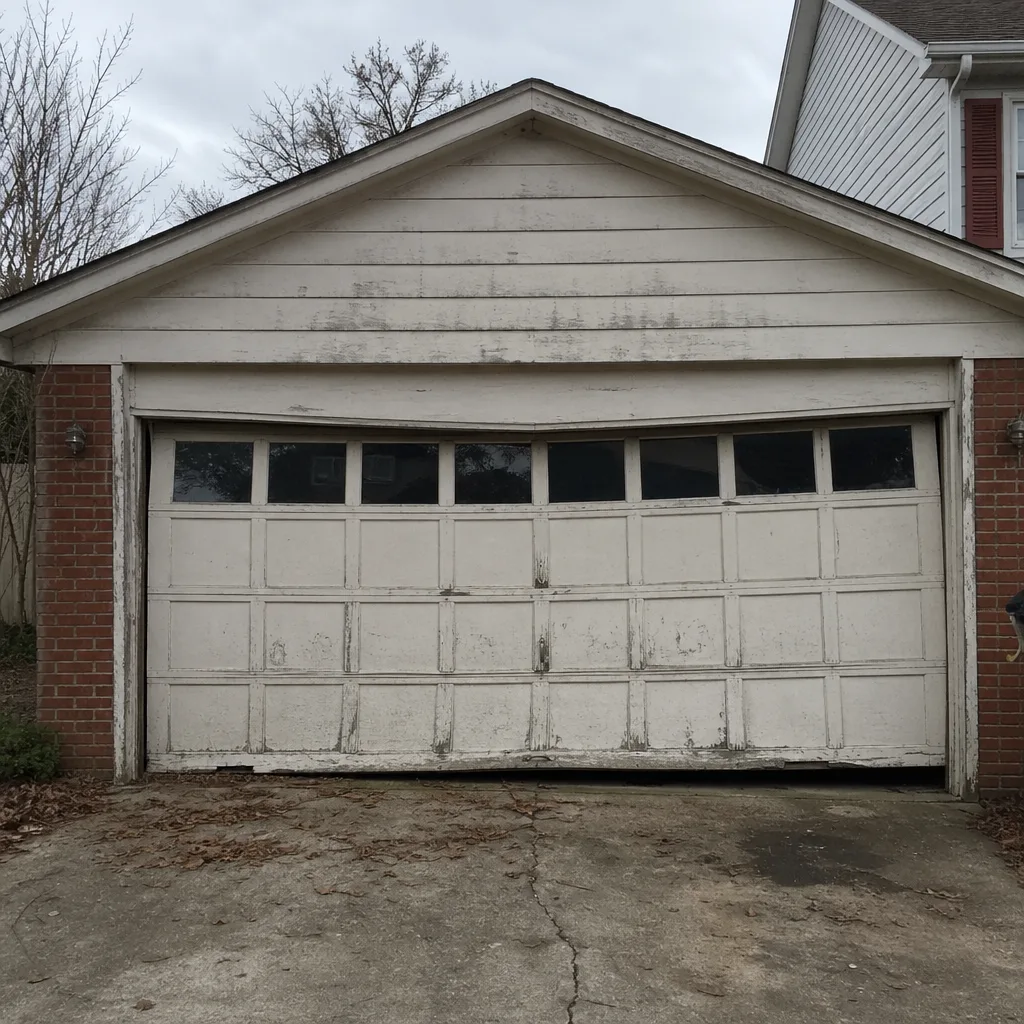 Before
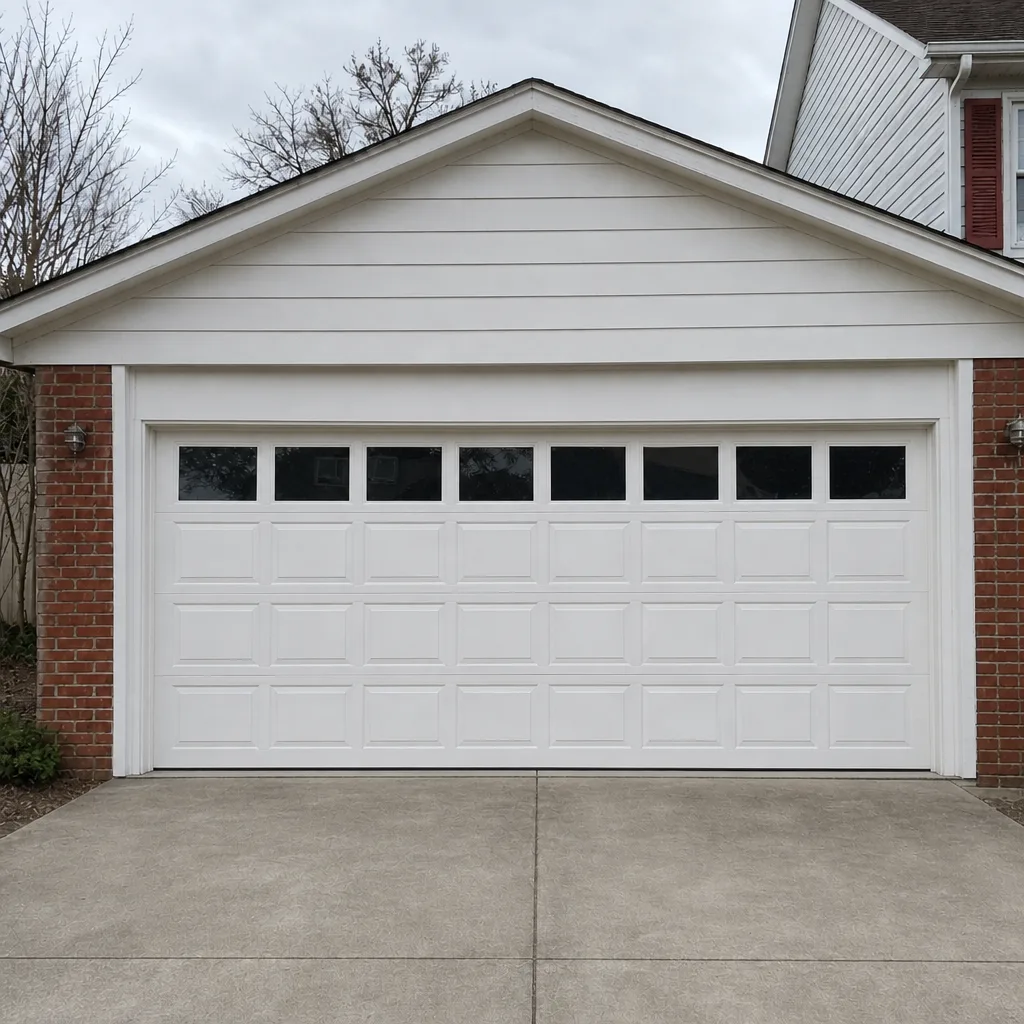 After
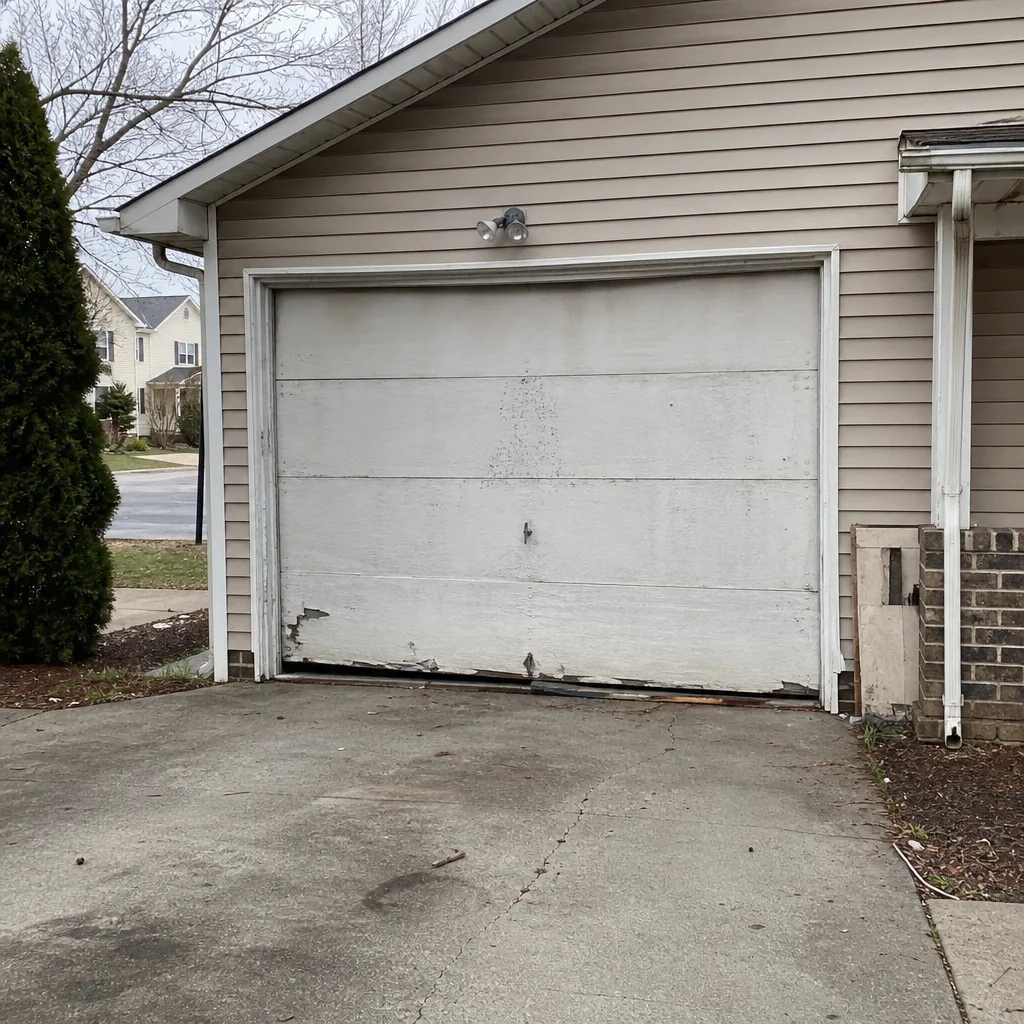 Before
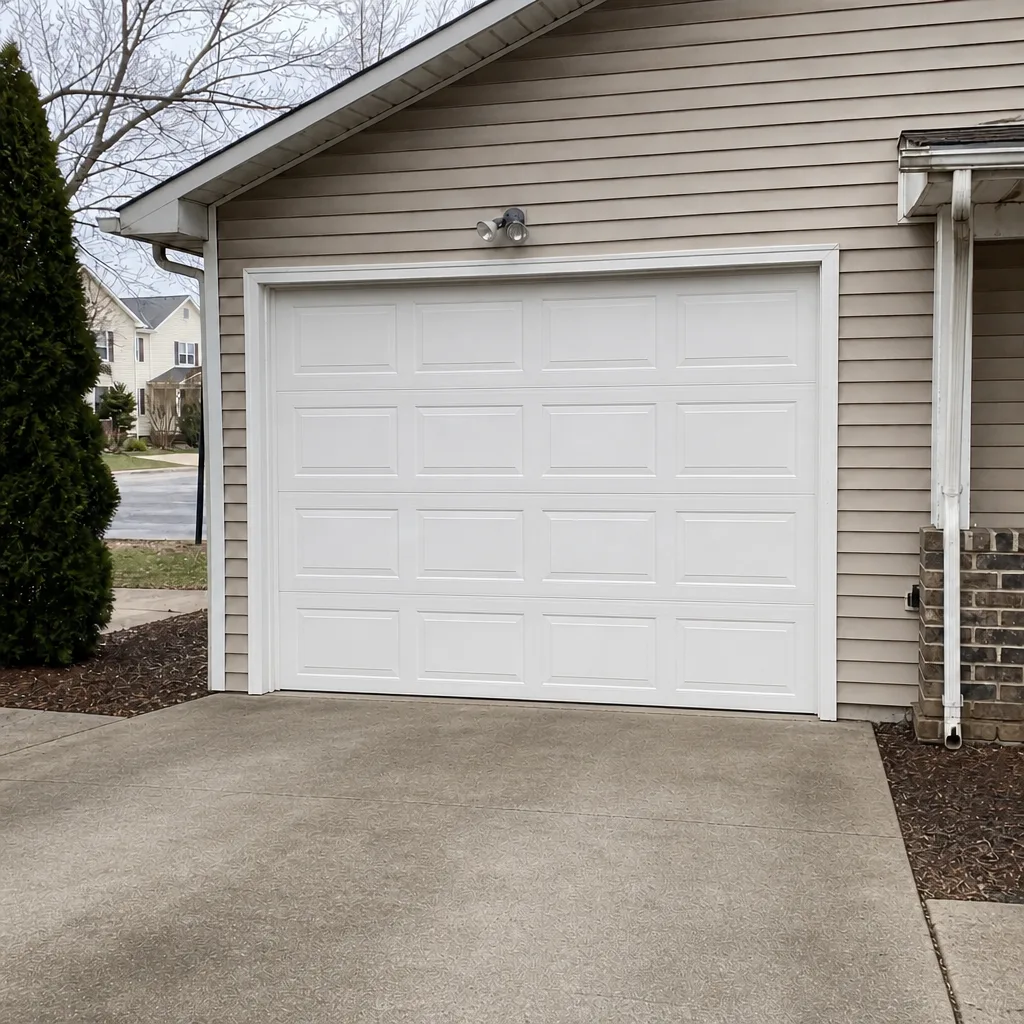 After
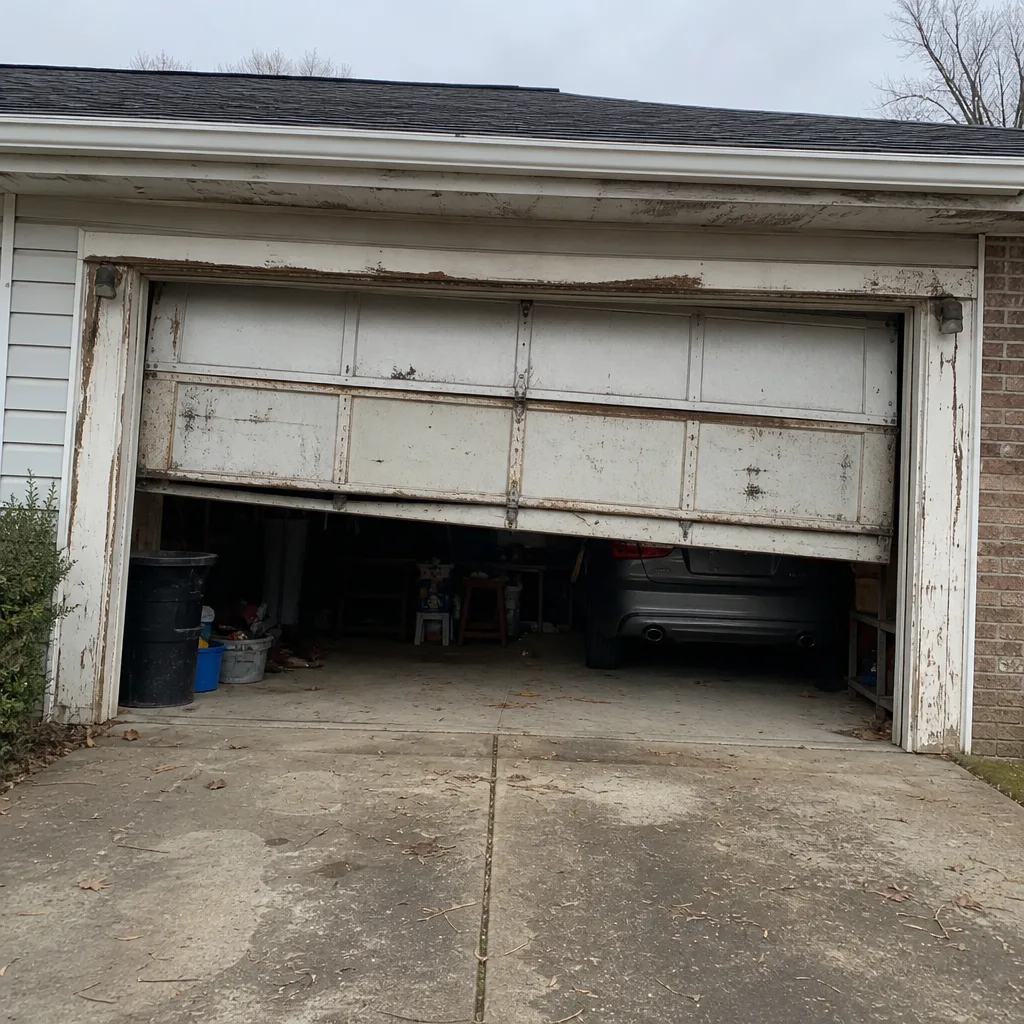 Before
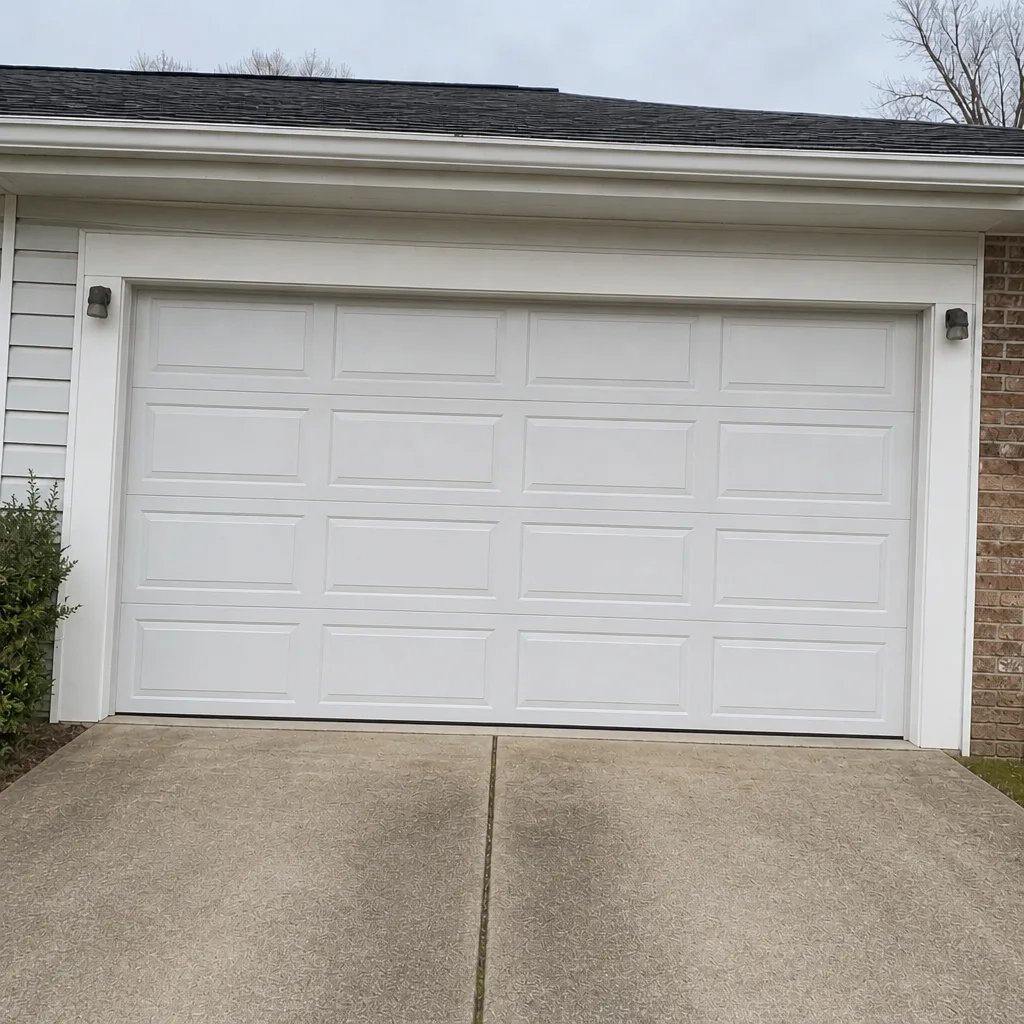 After
When to Call a Professional
Call a specialist when the door is on a permitted job, when the opener wiring is going to change, when the door size or type is changing, or when you’re buying or selling a Concord home and the permit history is unclear. Call also when the door is unbalanced, the opener auto-reverse isn’t engaging, or the door is visibly out of alignment with the tracks. Those are safety issues, and they’re the kind of thing that shows up in a county inspection.
High-tension springs and cables are the single most dangerous part of any garage door, and they are never a do-it-yourself job. A trained technician with the correct tools and winding bars is the only safe way to handle them. The same caution applies to the electrical panel: any new circuit addition for an opener should be handled by a licensed electrician, and any wiring that looks questionable is worth flagging rather than ignoring.
Harbinger Garage Door Repair offers free estimates in Concord and handles the county paperwork on permitted jobs. Call (866) 942-7643. We answer 24/7. Fast dispatch from 7am to 7pm, Sunday through Friday. Our technicians have up to experience, and the brands we work with daily include Amarr, Wayne Dalton, Craftsman, and Raynor alongside four other major manufacturers.
Frequently Asked Questions
Most like-for-like garage door replacements in Concord don’t require a Cabarrus County permit, but a new installation, a size change, structural header work, or new electrical wiring for an opener usually does. Ask the contractor to explain in writing which category the job falls into before work starts. Call (866) 942-7643 for an estimate that accounts for the permit question up front; estimates are free.
Search the Cabarrus County online permit portal by property address or parcel number and cross-reference any garage-related or electrical permits for that address against the door’s install date and brand. A permit with no final inspection signature is an open permit and worth resolving before a sale. If the records are unclear, call (866) 942-7643 to schedule an inspection of the door.
The county permit is a code and safety approval, and it’s handled through Cabarrus County. HOA approval is a design and community standards approval that runs in parallel, on a slower timeline, and can reject a door that the county would otherwise approve. Both can be required on the same project, and neither substitutes for the other.
The inspection checks the door attachment, balance, opener safety features, electrical connections, the structural header, and the labeling and documentation on the door. It is not a quality-of-finish inspection, so cosmetic details are not the focus. The contractor should be present and have the spec sheet on hand. If you’re not sure the current door would pass an inspection, call (866) 942-7643 for an evaluation.
North Carolina’s residential code applies wind load requirements to garage doors based on door size, wind zone, and site exposure, and larger doors on exposed lots typically need a higher design pressure rating than a standard single-car door on a protected lot. The door’s spec sheet documents that rating, and the county may ask for it. If you don’t have the spec sheet, call (866) 942-7643 and we can help identify the door and confirm the rating.
An open or missing permit doesn’t usually stop a Concord home sale, but it can shift who pays for the resolution and it can slow down closing while the county reviews the record. Buyers and sellers should both verify the permit status before the closing date is finalized. Call (866) 942-7643 if you need an inspection or records help before listing or buying.
Our technicians are experienced, with up to experience, and we work to the code requirements that apply to the garage door and opener the work performed in Concord. Every job goes through the permit and inspection process where the county requires one. Call (866) 942-7643 for a free estimate and to confirm what your specific project requires.
The Bottom Line
The permit question on a Concord garage door comes down to scope, not product. Like-for-like replacements usually don’t need one, new installs and structural or electrical changes usually do, and HOA approval is a separate, slower process that can catch homeowners off guard. Verify permit history through Cabarrus County’s portal before you buy or sell, save the spec sheet on any new door, and get the contractor’s answer on permit requirements in writing. A garage door that works and a garage door that’s properly documented are two different things, and the second one is what protects you at resale. If you want the documentation side handled correctly from the first visit, that’s what we do.
Harbinger Garage Door Repair handles garage door repair, opener repair, and installation across Concord, and we already know the systems we work on. Call (866) 942-7643 for a free estimate. We answer 24/7. Fast dispatch from 7am to 7pm, Sunday through Friday.
Written by the team at Harbinger Garage Door Repair.