
Last updated November 15, 2026
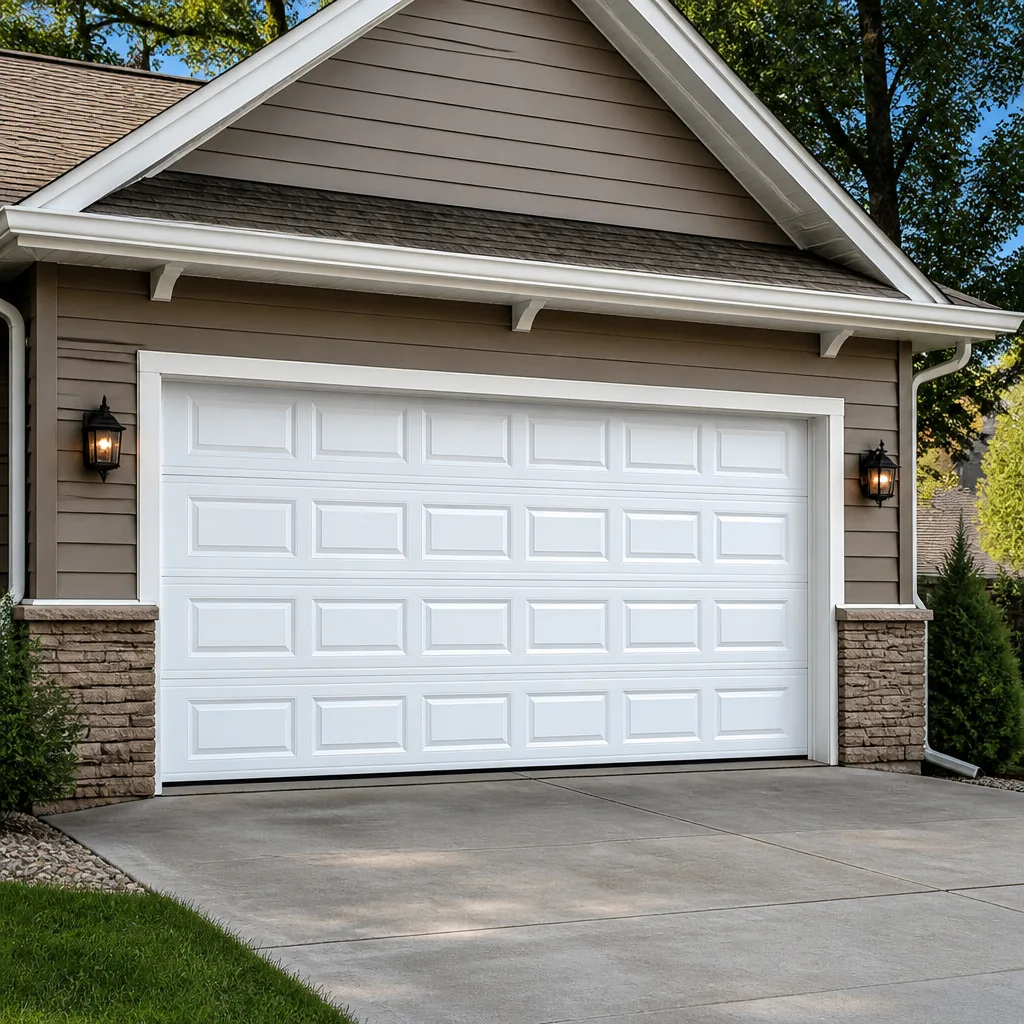 Raised-panel steel
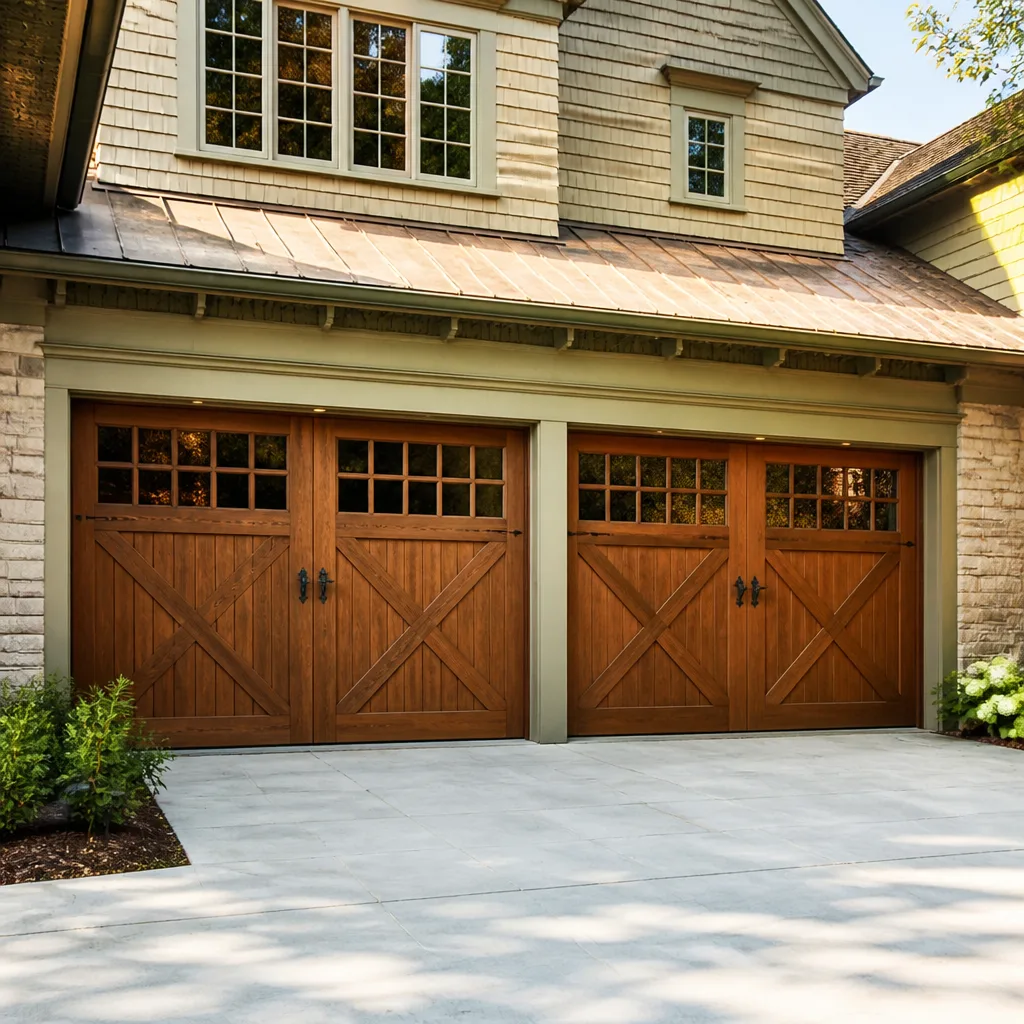 Carriage house
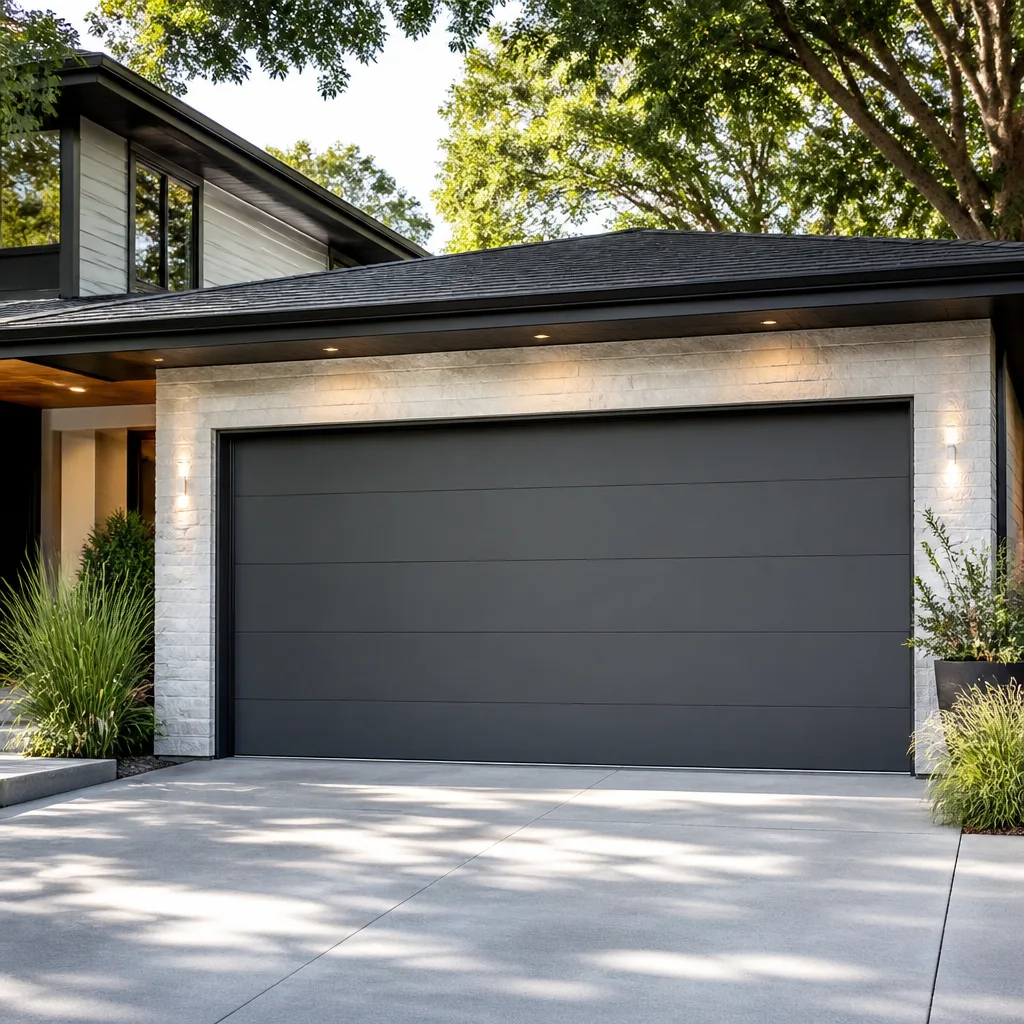 Modern flush
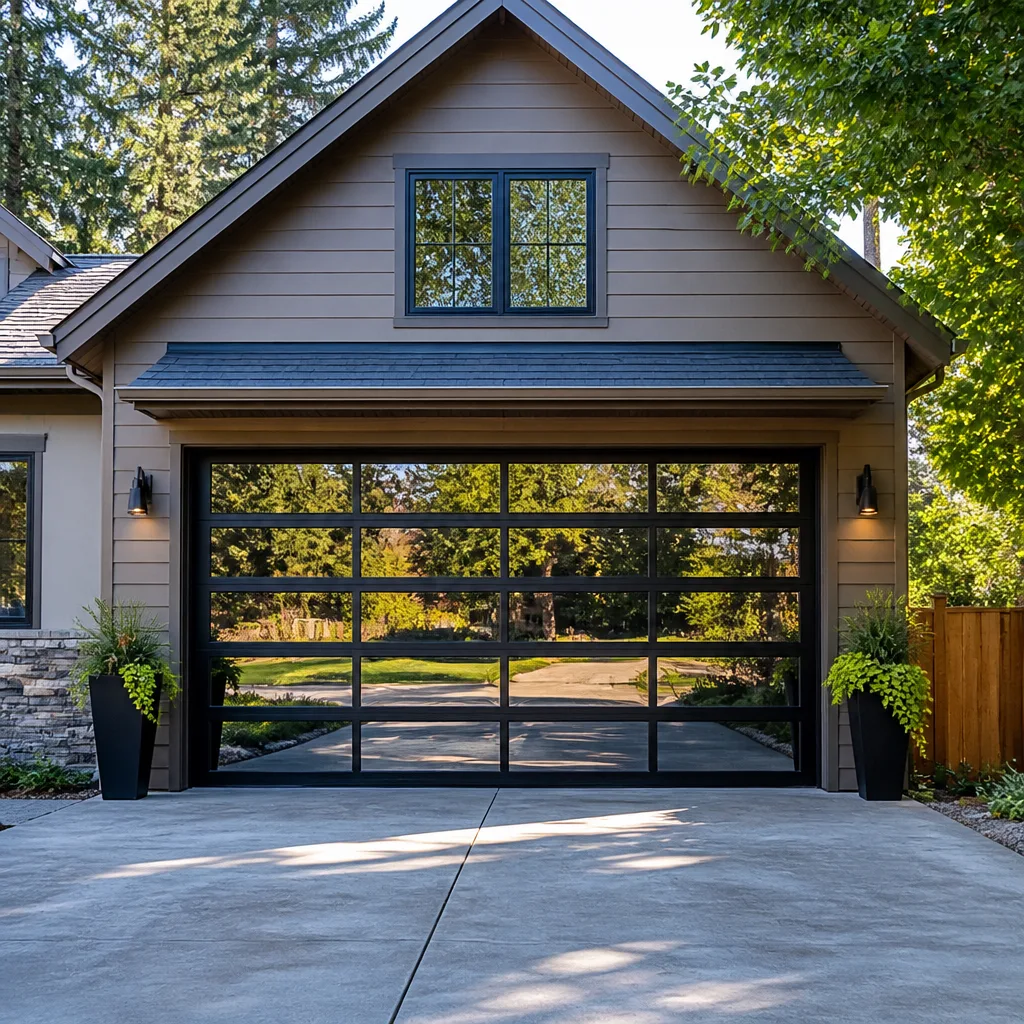 Full-view glass
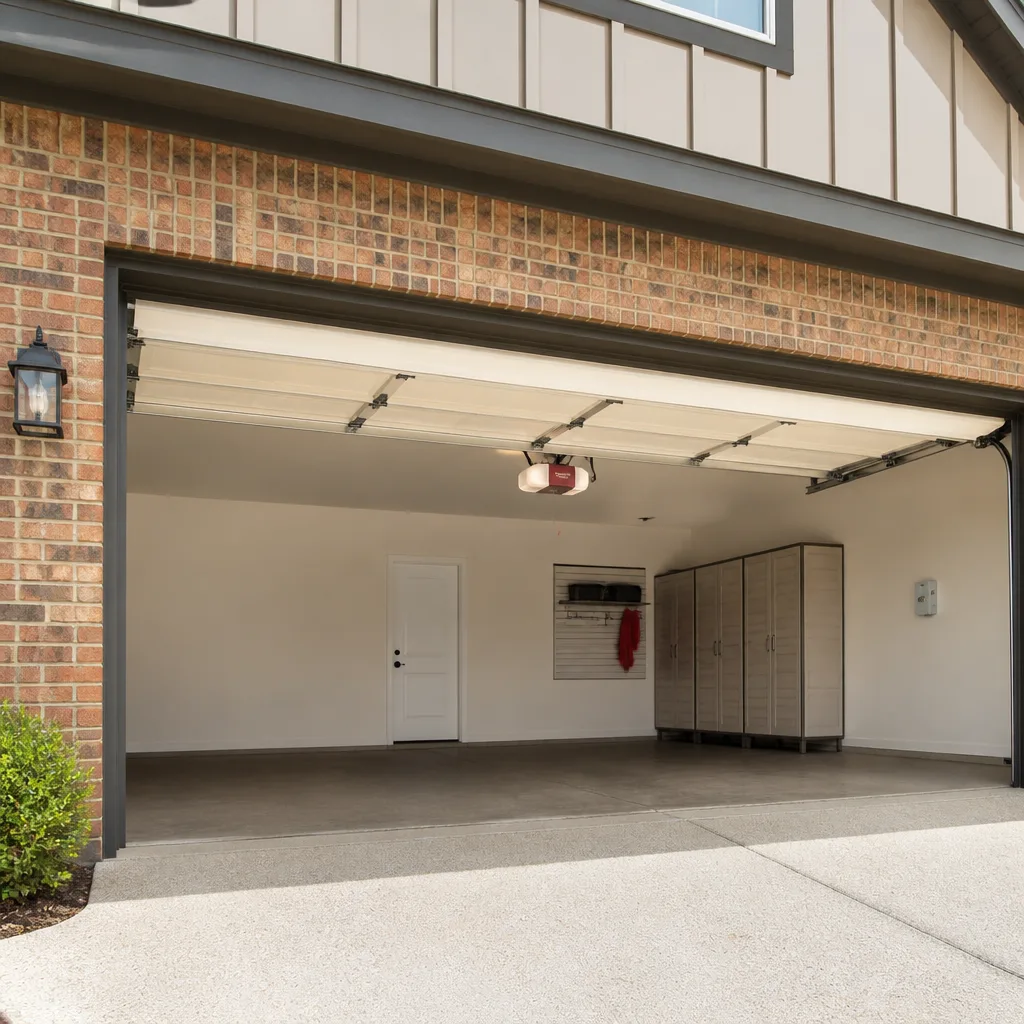 LiftMaster openers
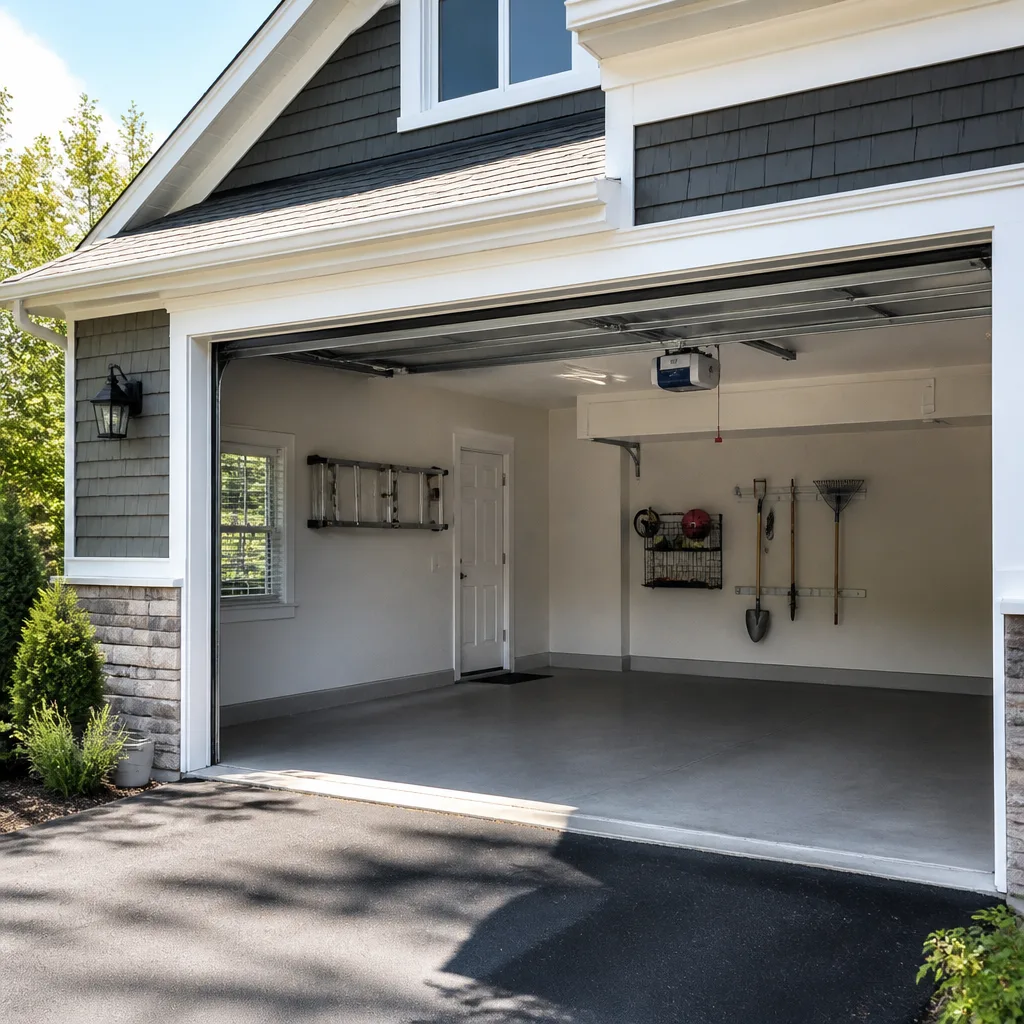 Chamberlain openers
Full 25-point door and opener safety check with every visit - springs, cables, rollers, tracks, and your LiftMaster or Chamberlain opener included
You get a price before we start. It does not change when the pro arrives.
Get your free estimateHow to Hire a Garage Door Contractor in Concord: A Step-by-Step Guide
Here’s the part of hiring a garage door contractor in Concord that nobody warns you about: North Carolina doesn’t license garage door technicians the way it licenses electricians or plumbers. There’s no state-issued garage door credential to check. So the question most homeowners forget to ask – “are you actually trained on my specific system?” – turns out to be the only one that reliably separates a brand specialist from a generalist who learned on your door. This guide gives you a concrete vetting framework: the licensing categories that do apply, the five phone questions to ask before you schedule, how to read a quote line by line, and what separates real reviews from manufactured ones. Read it once and you’ll hire differently for good.
Quick Answer
To hire a garage door contractor in Concord, verify the company’s NC contractor license category on the state database, confirm the technician is trained on your specific door or opener brand, and ask for a written, itemized quote before any work starts. Prioritize companies that specialize in garage doors only, name the parts they’ll use, and put the agreed price in writing. A specialist answers brand-and-model questions without guessing; a generalist often doesn’t.
Styles & brands we work with
- Raised-panel steel
- Carriage house
- Modern flush
- Full-view glass
- LiftMaster openers
- Chamberlain openers
Table of Contents
- What Licensing and Credentials Actually Apply to Garage Door Work in Concord?
- Brand Authorization vs. General Experience: How to Tell the Difference
- The Five Questions to Ask on the Phone Before You Schedule
- How to Read a Garage Door Quote in Concord: Red Flags and Required Line Items
- How to Evaluate Online Reviews for Garage Door Contractors
- Repair vs. Replace: Getting an Honest Recommendation
- Why Spring, Cable, and Opener Work Is Not a DIY Project
- What Concord Homeowners Should Know About Seasonal Wear
What Licensing and Credentials Actually Apply to Garage Door Work in Concord?
Start with the honest answer: North Carolina does not issue a garage door specialty license. But that doesn’t mean the person at your door is unregulated. North Carolina’s contractor licensing law, administered by the North Carolina Licensing Board for General Contractors (NCLBGC), sets dollar thresholds above which work must be performed by a licensed general contractor. Garage door installation in a residential setting often falls below those thresholds, which is exactly why the industry has a low barrier to entry – and why the credentials question matters more here than in trades with mandatory specialty licensing.
Here’s what to verify before anyone touches your door:
- Check the NCLBGC database. Go to the board’s public license lookup and search the company name. You’re confirming whether they hold a general contractor license and which category (building, residential, or others). If the company isn’t in the database, ask directly who is responsible for the work and under what license.
- Ask for proof of general liability insurance. A certificate of insurance should show current coverage and name the company. This is separate from a license. A license says they’re allowed to contract; insurance says you’re covered if something goes wrong.
- Confirm workers’ compensation coverage if the company sends anyone other than the person you’re talking to.
- Ask whether the technician doing the work is an employee or a subcontractor and whether that sub carries their own insurance.
None of this is red tape for its own sake. In a trade where the barrier to entry is low, licensing and insurance checks are the fastest way to sort serious companies from the rest. A company that has these documents ready and answers this conversation without flinching is telling you something. So, importantly, is one that gets cagey. For residents comparing providers across the city, this is the same due diligence behind any solid garage door repair decision, and it costs you ten minutes of lookup before you commit.
Brand Authorization vs. General Experience: How to Tell the Difference
General experience means someone has installed or repaired a lot of doors over the years. Brand-trained experience means someone knows the specific tolerances, spring weights, opener platforms, and panel specifications of the system in your garage before they arrive. Those aren’t the same thing, and the gap shows up during diagnosis – the phase where a wrong guess costs you a return visit or a part that doesn’t fit.
Garage doors and openers are not interchangeable. A Clopay panel section has its own weight and hinge profile. An Amarr door in a premium residential install carries different track and hardware requirements than a builder-grade door. Opener platforms diverge even more sharply: a modern smart opener from LiftMaster or Genie operates on completely different logic from a legacy mechanical unit built on a Craftsman or Raynor foundation. A technician who works on all of these regularly knows what a failing torsion spring on a given panel weight feels like, and knows which opener symptom points to a travel-limit problem versus a logic board problem.
So how do you ask? Try these on the phone:
- “My door is a [brand]. Are your technicians trained on that brand’s hardware and openers?”
- “Have you worked on my opener model specifically? Can you tell me what usually fails on it?”
- “Do you carry parts for that brand, or do you order them after diagnosis?”
- “If my door needs a panel, can you source the correct profile for that brand?”
What training actually involves is important to understand. It’s not a certificate on a wall. It’s the accumulated knowledge of how a brand’s springs are rated, how its openers are wired and set, and which failure patterns recur across that product line. When technicians arrive already familiar with your system, diagnosis is faster and more accurate – you’re not paying for someone’s learning curve. In our work, we’ve built our focus around this idea specifically: we handle repair, opener service, and installation across the brands most often installed in North American homes, so a brand question gets an answer instead of a guess. You can read more about how we approach garage door opener repair if the opener is your concern, and see the full picture at Harbinger Garage Door Repair.
The Five Questions to Ask on the Phone Before You Schedule
Most homeowners ask one question – “how much will it cost?” – and get a vague answer that means nothing. Ask these five instead. Each one tells you something specific about how the company operates, and the answers should come easily. If a company struggles with any of them, that’s your signal.
- “What brands and models do your technicians work on most often?” You’re listening for named brands, not “all of them.” A specialist will name the ones they work on daily. Vague answers usually mean they work on whatever shows up.
- “Do you stock the parts for my door and opener, or do you order after diagnosis?” This is the parts-sourcing question, and it’s the one that reveals the most. A company that stocks common components – springs, rollers, hinges, opener boards for major brands – resolves most jobs in one visit. A company that orders everything after the diagnosis means a second appointment, a second wait, and a door that’s out of service longer than it needs to be. Both models exist; you’re entitled to know which one you’re hiring.
- “Will you give me a written, itemized estimate before any work starts?” The answer should be an immediate yes. Anything else – “the tech will sort it out on site,” “we quote when we see it” – is a reason to call someone else.
- “Is the price you quote the price I pay, or does it change after inspection?” There is a reasonable answer: “The written estimate is the final price, unless we find something we couldn’t see.” There is also an unreasonable answer: “We don’t know until we’re out there.” The first gives you a number you can hold them to. The second leaves you exposed.
- “Are your technicians trained, licensed, and insured, and who is doing the actual work?” This is where the licensing conversation from earlier comes back. You want a clear answer about who shows up, what their credentials are, and who carries the insurance.
Ask these in one call. A company that answers all five cleanly and quickly is worth scheduling. One that dodges, switches to a sales script, or pressures you to book before answering is not. If you want to run these questions past us directly, call (866) 942-7643. We answer 24/7, and fast dispatch from 7am to 7pm covers the scheduling window.
How to Read a Garage Door Quote in Concord: Red Flags and Required Line Items
A quote is only useful if it’s specific. The single biggest red flag is a lump-sum number with words like “labor included” and nothing else. That phrase should make you pause, because it hides which parts are being replaced, which are being reused, and what the job actually involves. A fair estimate names the work.
Here’s what a legitimate itemized garage door quote should show, line by line:
- The part or parts being replaced, with enough detail to identify them – “two torsion springs, matched pair” rather than “springs.”
- Labor as a distinct line, not buried in a bundle.
- Any required hardware – cables, rollers, hinges, bearings – listed separately if they’re part of the job.
- Disposal if old parts or panels are being removed.
- Opener work separated from door work, so you can see what belongs to which system.
Vague language is the tell for a padded invoice: “door service package,” “full tune-up with adjustments,” “miscellaneous hardware.” None of those phrases tells you what you’re paying for. Ask for the itemization in writing, and don’t accept an updated verbal total after the fact without a revised written estimate.
Pricing itself will vary by job, and the written estimate sets the final price – not a phone number, not a range someone quoted a neighbor. That’s the standard we hold ourselves to, and it’s the one you should hold every contractor to. It matters here because Concord’s housing stock is mixed: newer construction on the east side tends to run efficiently made builder-grade doors, while the established neighborhoods around downtown and toward the older corridors often carry heavier, older doors with hardware that needs matching rather than substituting. The door on your house decides the job more than the calendar does.
How to Evaluate Online Reviews for Garage Door Contractors
Most homeowners skim reviews and look at the star average. That’s the least useful thing you can do with them. What you’re actually looking for is patterns – in the language, in the specificity, and in the timing.
Reviews that suggest authentic work:
- Named brands and problems. “They replaced the torsion springs on my Clopay door and reset the opener limits” reads like someone who actually had the work done. “Great service, very professional” could describe a restaurant.
- Details about the quote or the visit. Real customers mention that the price was explained, that the technician answered questions, or that a return visit was needed. Those are the details people remember.
- Mixed but honest reviews. A few reviews mentioning a scheduling delay or a part that had to be ordered, with a measured tone, usually indicate a real business. A perfect wall of identical five-star praise with no texture is worth more suspicion than confidence.
Patterns that suggest manipulation:
- Bursts of reviews on the same few dates, followed by long silences.
- Many reviews with similar phrasing or the same handful of words.
- Reviews that praise general qualities (“best in town,” “highly recommend!”) without saying what was done.
- Company responses that engage only the positive reviews and ignore the critical ones.
You can also check whether a review is verified to a real transaction on the platform, look at the reviewer’s other activity, and check across more than one platform. Reviews are useful, but they’re evidence to weigh, not a substitute for the phone questions above.
Repair vs. Replace: Getting an Honest Recommendation
One of the hardest things to judge in a contractor is whether the recommendation to replace is genuine or convenient. A repair is usually the right call when the door structure is sound and the problem is a worn component: springs, cables, rollers, hinges, or opener logic. A replacement is worth discussing when panels are damaged beyond a practical fix, the door is letting in weather at the frame, or the opener mechanism has failed in a way that no longer has parts support.
An honest contractor will tell you which category your door is in and explain the reasoning, in plain terms, without pressure. Watch for these signals:
- They explain the diagnosis in terms of the actual component that failed, not “the whole system is shot.”
- They give you both numbers when both are real options – repair cost and replacement cost – so you can weigh it yourself.
- They don’t rush the timeline. Replacement is measured, ordered, and scheduled. Any pressure to decide “today” on a full replacement is worth questioning.
Here’s where the specialist focus helps. A garage door specialist has real numbers on both sides of the decision because installation is part of what they do. A generalist may steer you to whichever job they’d rather do – or worse, to whichever job limits their exposure. When you’re weighing a new door, that’s the moment a specialist relationship pays off: the same company that repaired your old door can install the new one, so you’re not starting over with a new provider. It’s a full-lifecycle advantage, and it applies whether the door is a Clopay, Amarr, Wayne Dalton, or another brand entirely.
Why Spring, Cable, and Opener Work Is Not a DIY Project
This section matters, so we’ll be blunt. Garage door springs carry stored energy – a torsion spring under tension or a stretched extension spring can release it suddenly, and the force is enough to cause serious injury. Cables under load can snap. The opener sits on household current. These are among the most dangerous repairs in a home, and they are the exact components homeowners most often try to handle themselves after watching a video.
What you should know about each:
- Springs. Replacement isn’t a swap – it’s a match. The new spring has to meet the correct weight and cycle rating for your door, or it fails early and can put stress on the rest of the system. Sizing is not guessable.
- Cables. A cable carries the tension that keeps the door balanced. An improperly set cable can fail under load.
- Opener work. Modern smart openers and legacy mechanical units both involve wiring, travel limits, and force settings. An opener set incorrectly can run a door unevenly or fail to reverse, which is a safety issue, not a convenience one.
What you can check safely: listen for grinding or snapping sounds, watch for a door that jerks or moves unevenly, and test the reversal on your opener per the manufacturer’s instructions. Then call a trained professional for anything involving springs, cables, or wiring. That’s not a sales pitch – it’s the difference between a repair and an injury. Around Concord, where doors run through heat and humidity swings, we treat these as urgency items, because a stressed spring doesn’t improve with time.
What Concord Homeowners Should Know About Seasonal Wear
Garage doors in the Concord area live through a specific cycle: warm, humid summers, and a winter that’s mild but not absent, with temperature swings that move metal and stress the parts that hold tension. That cycle shapes what wears out and when.
What tends to happen over a year in this climate:
- Summers stress the opener. Heat and humidity work on the opener’s motor, boards, and connections. A smart opener that runs hot can develop logic faults that look like mechanical failures.
- Humidity accelerates wear on hinges and rollers. Lubrication schedules matter more here than in dry climates. Squeaks are an early warning, not just noise.
- Temperature swings work the springs and cables. The repeated expansion and contraction puts cycles on the tension system faster than a stable climate would. A door that felt fine in the fall may start binding in the spring.
- Storms and impacts damage panels, tracks, and frames. A bent track after a wind event is a real repair, not a run-of-the-mill adjustment.
None of this is cause for panic, but it tells you what to keep an eye on. If your door is in one of the older Concord neighborhoods with a heavier door and original hardware, the spring and cable check becomes more important each year. Seasonal awareness is half of prevention, and prevention is the whole point of a specialist relationship. If your door has started making noises it didn’t make last season, it’s worth a look before it becomes a failure. Call (866) 942-7643 for a free estimate and we’ll tell you what stage it’s in.
Common Mistakes to Avoid
- Hiring on price alone. The lowest quote is often the one that omits parts or substitutes hardware. Compare line items, not totals. Two sentences of itemization are worth more than a cheap number.
- Skipping the license and insurance check. North Carolina doesn’t specialize-license garage door work, which means the general contractor license and the insurance certificate are your protection. Ten minutes on the NCLBGC database and a certificate request is the cheapest insurance you’ll ever buy.
- Not asking which brand the technician knows. “We work on everything” is not an answer. Name your brand and model on the phone and listen for whether the response is specific or vague.
- Accepting a verbal quote. A number on the phone is not a price. The written itemized estimate is the price, before work starts. If it isn’t in writing, it isn’t agreed.
- Treating “labor included” as a good sign. It usually means the parts and work aren’t broken out, which makes it hard to tell what you’re buying. Ask for the itemized version.
- Letting a spring or cable problem go. A weak spring is a progressive failure. In Concord’s swing climate, a stressed spring can snap without much warning. Have it checked instead of waiting for the door to stop moving.
- Reading only star averages. Look for reviews that name brands, problems, and details. A wall of identical praise tells you less than a handful of specific, mixed-tone reviews.
See the difference
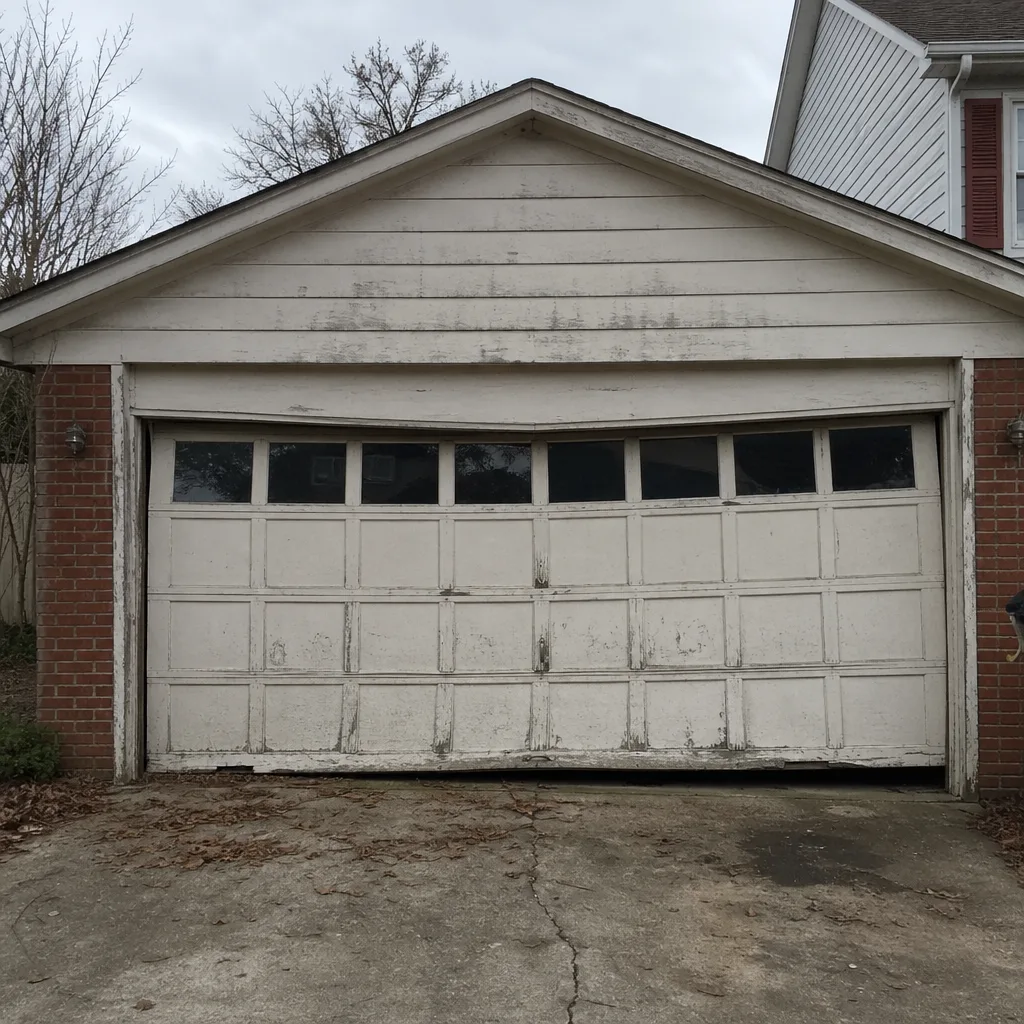 Before
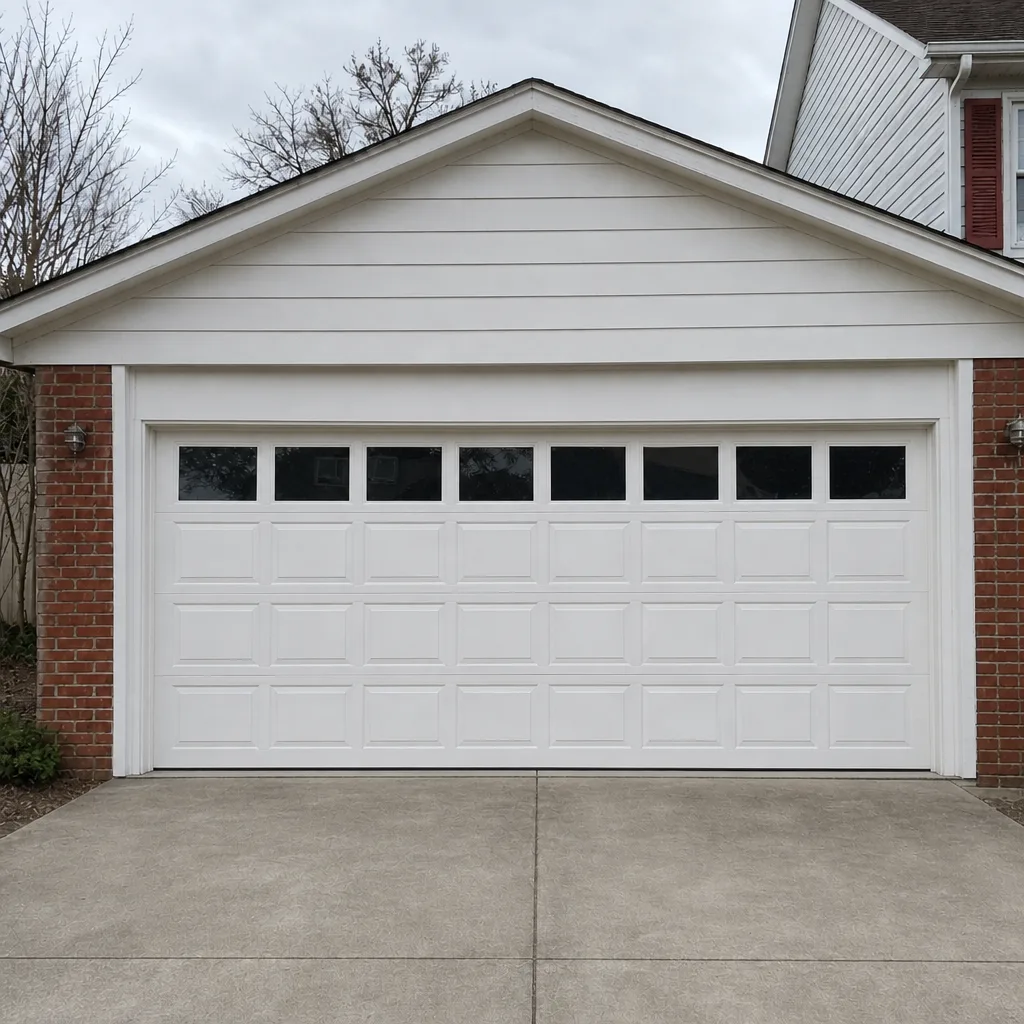 After
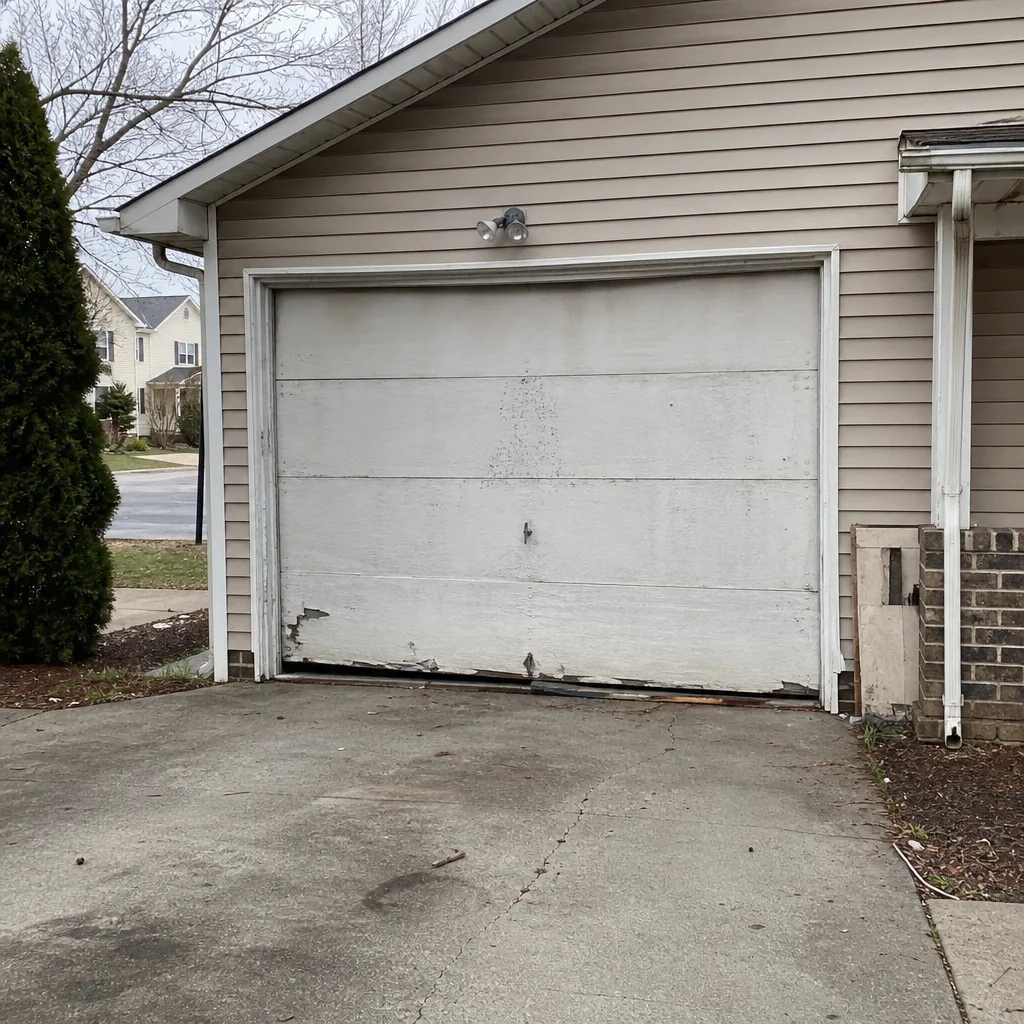 Before
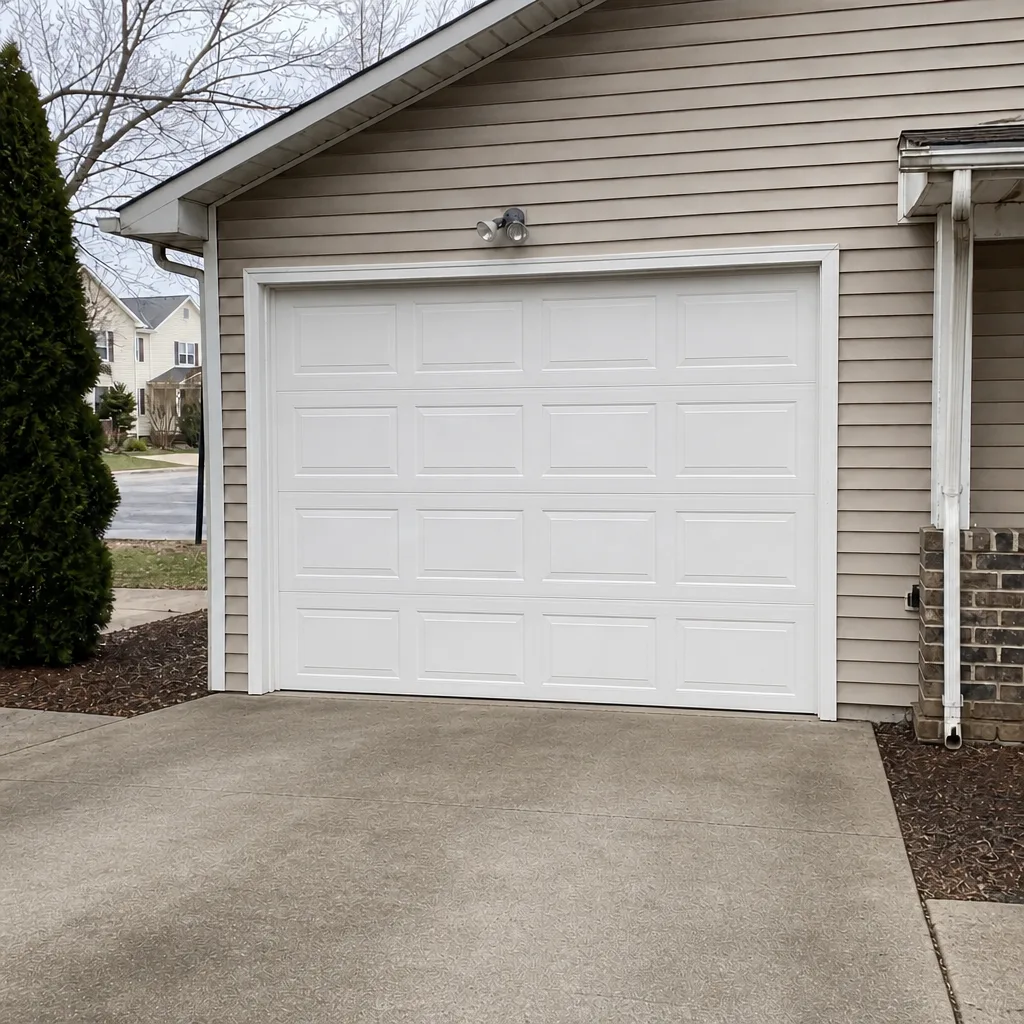 After
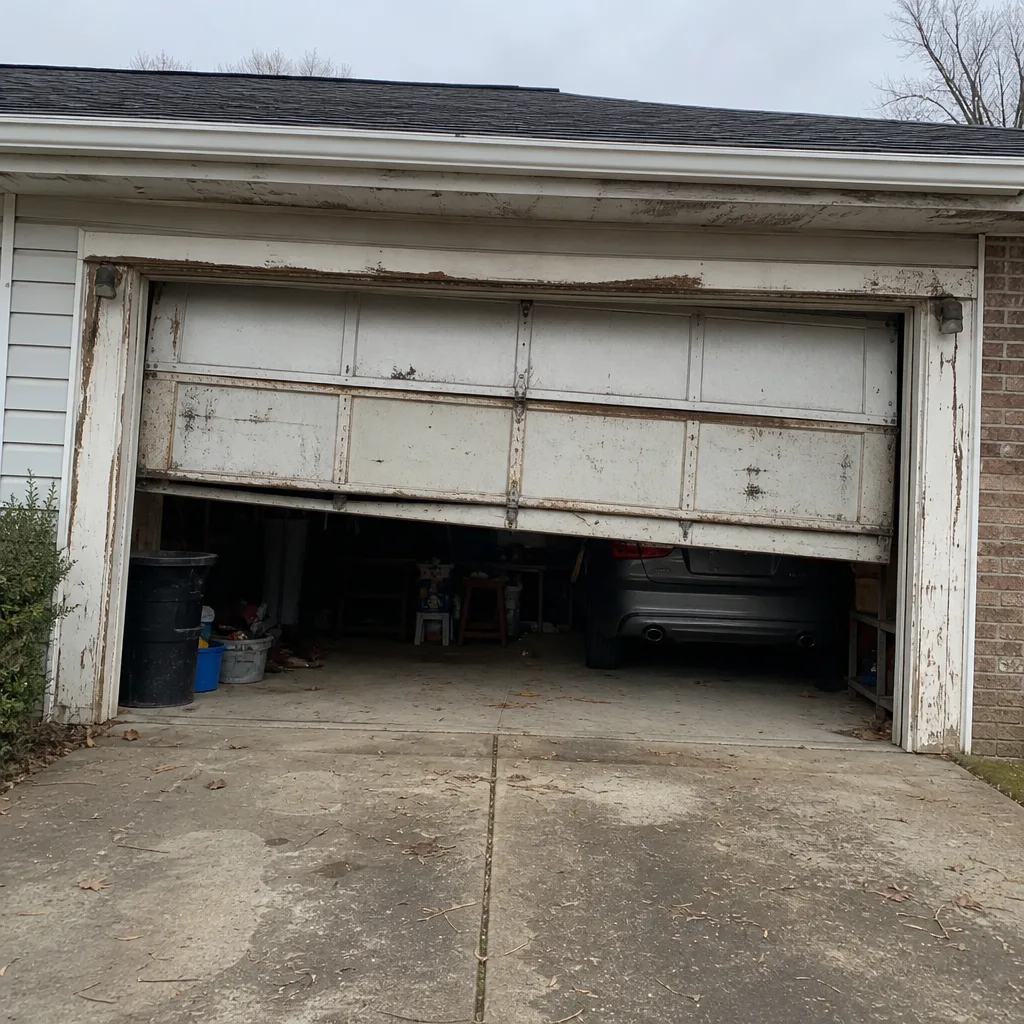 Before
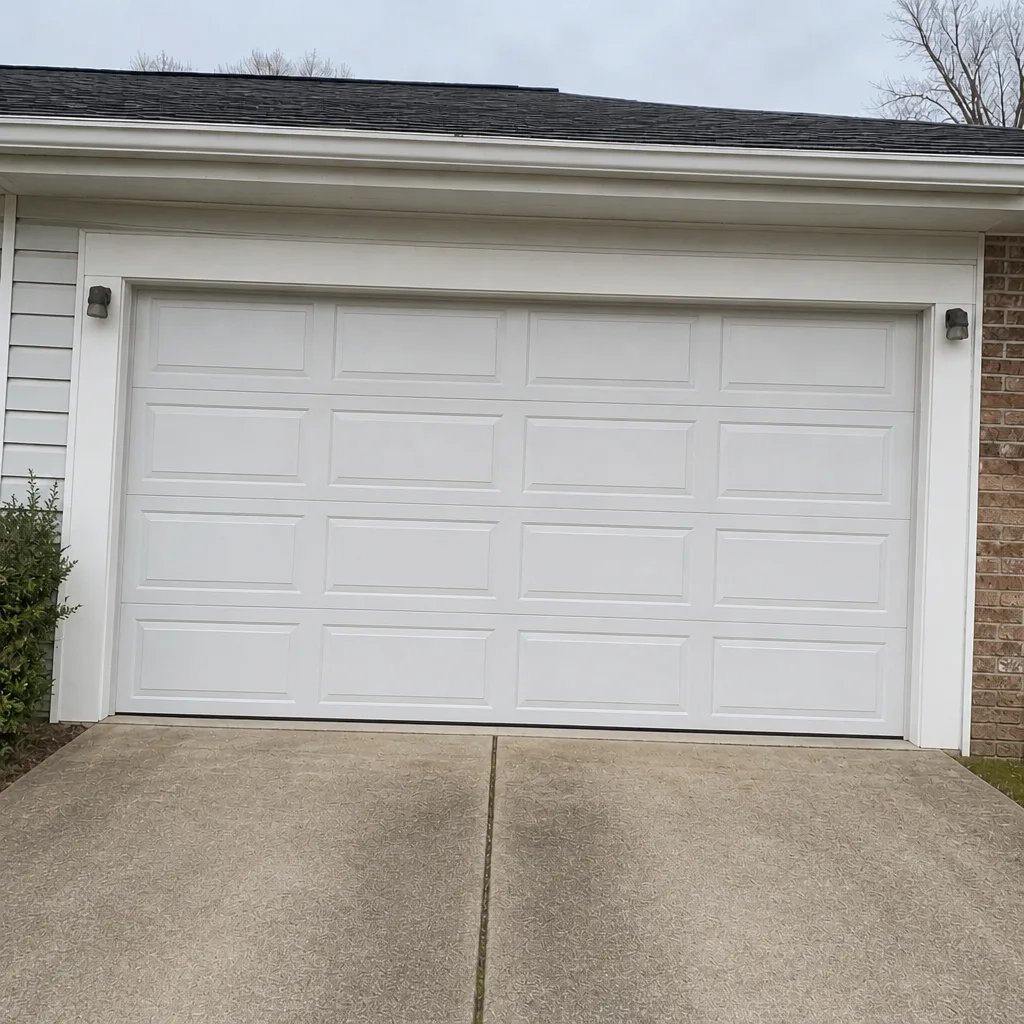 After
When to Call a Professional
Call a professional if the door won’t open or close, moves unevenly or jerks, or makes grinding, snapping, or popping sounds. Call if a spring or cable looks slack, stretched, or broken. Call if the opener reverses incorrectly, runs without moving the door, or has stopped responding to the remote or keypad. Call if a panel or track is bent after an impact. And call before replacing anything if you’re unsure – a diagnosis is cheaper than a wrong part. For homeowners in Concord, Harbinger Garage Door Repair offers free estimates in Concord – call (866) 942-7643. We answer 24/7, and fast dispatch from 7am to 7pm, Sunday through Friday, gets a technician out to diagnose it correctly the first time.
Frequently Asked Questions
There is no North Carolina state license specific to garage door work. What applies is the state’s general contractor licensing law, administered by the NCLBGC, which requires a licensed general contractor for work above the board’s dollar thresholds. Because garage door repair often falls below those thresholds, you should always verify insurance and ask who is responsible for the work. Check the NCLBGC database and request a certificate of insurance before you schedule. Call (866) 942-7643 for an exact quote – estimates are free.
Ask the brand and model question on the phone and listen for specificity. A trained technician will name the brand, describe how its springs or opener logic typically behave, and tell you what usually fails on it. A generalist will say “we work on everything.” Ask which parts are stocked for your brand and whether a panel can be sourced in the correct profile. Those answers separate a specialist from someone learning on your door. Call (866) 942-7643 for an exact quote – estimates are free.
A specialist should have common parts for the brands they work on daily: springs, rollers, hinges, bearings, and opener boards for major platforms. The exact inventory varies by company. What matters is whether they can resolve most jobs in one visit. Ask the parts-sourcing question before scheduling. If every job means ordering after diagnosis, plan for a longer outage. Call (866) 942-7643 for an exact quote – estimates are free.
Pricing depends on the component and the door, so we give a written estimate per job rather than a phone number. That estimate is free, and the written estimate sets the final price before any work starts. Because North Carolina has no garage door specialty license, a written, itemized quote is also your best protection on price. Ask for it upfront and don’t accept a verbal total. Call (866) 942-7643 for an exact quote – estimates are free.
In many cases, yes. Same-day repair is possible for common failures when the right parts are available. Spring, cable, and opener repairs are the most common calls, and dispatch runs from 7am to 7pm, Sunday through Friday. If the call comes outside that window, we answer 24/7 and book it into the next opening. Call (866) 942-7643 for an exact quote – estimates are free.
Repair is usually the right call when the door structure is sound and the problem is a worn component; replacement makes sense when panels are damaged beyond a practical fix or the opener no longer has parts support. An honest contractor gives you both numbers when both are real options. Avoid anyone pressuring a same-day full replacement decision. Call (866) 942-7643 for an exact quote – estimates are free.
The Bottom Line
Hiring a garage door contractor in Concord comes down to verification, not vibes. Check the NCLBGC license record and the insurance certificate. Ask which brands the technician actually works on daily, and listen for specifics. Use the five phone questions, especially the parts-sourcing one. Insist on a written itemized estimate and treat “labor included” with suspicion. Read reviews for texture, not star averages. And never take on spring, cable, or opener work yourself. Do those things and you’ll hire a brand-trained specialist instead of a generalist with a van – which is the difference between a door fixed correctly the first time and a repair you’ll pay for twice.
Harbinger Garage Door Repair handles repair, opener repair, and installation as a garage door specialty, with technicians who have up to experience and work fluently across LiftMaster, Chamberlain, Genie, Clopay, Amarr, Wayne Dalton, Craftsman, and Raynor systems. Call (866) 942-7643 for a free estimate. We answer 24/7. Fast dispatch from 7am to 7pm, Sunday through Friday.
Written by the team at Harbinger Garage Door Repair.