
Last updated November 15, 2026
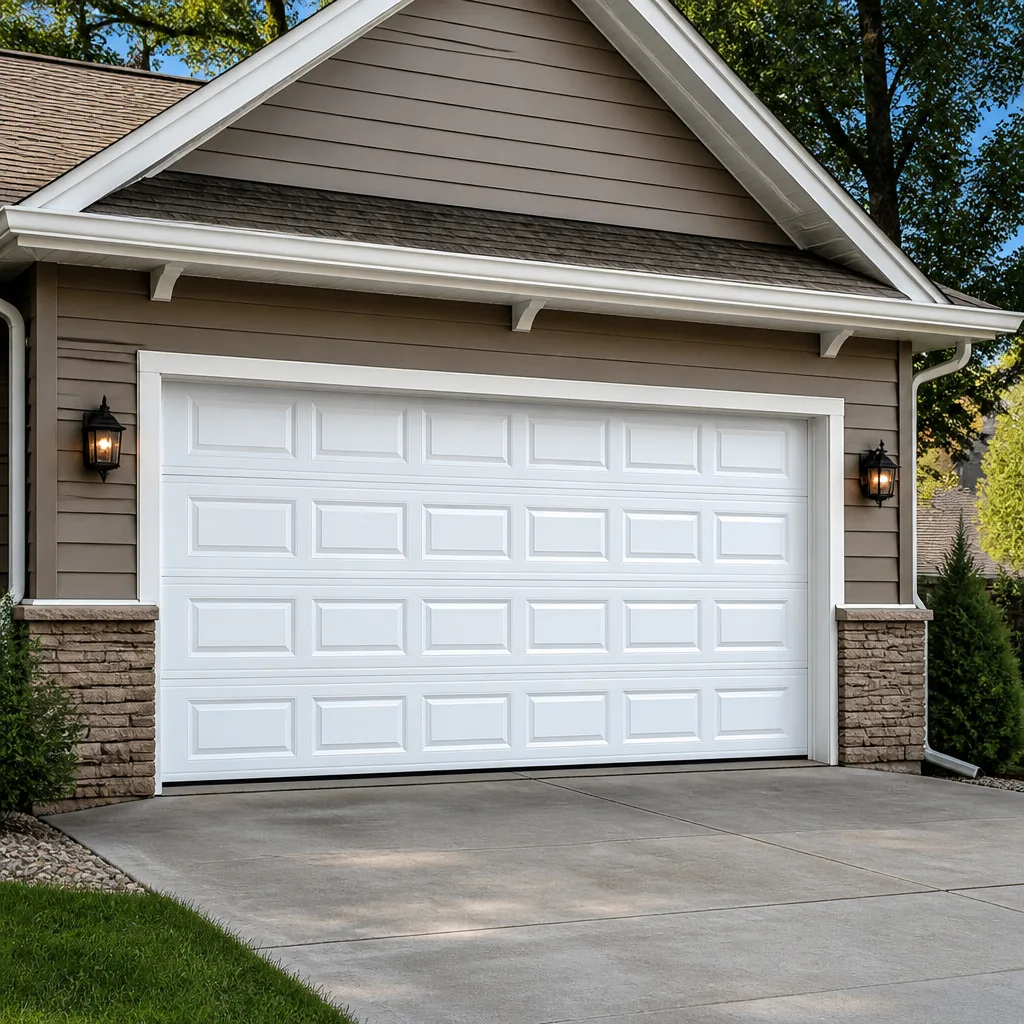 Raised-panel steel
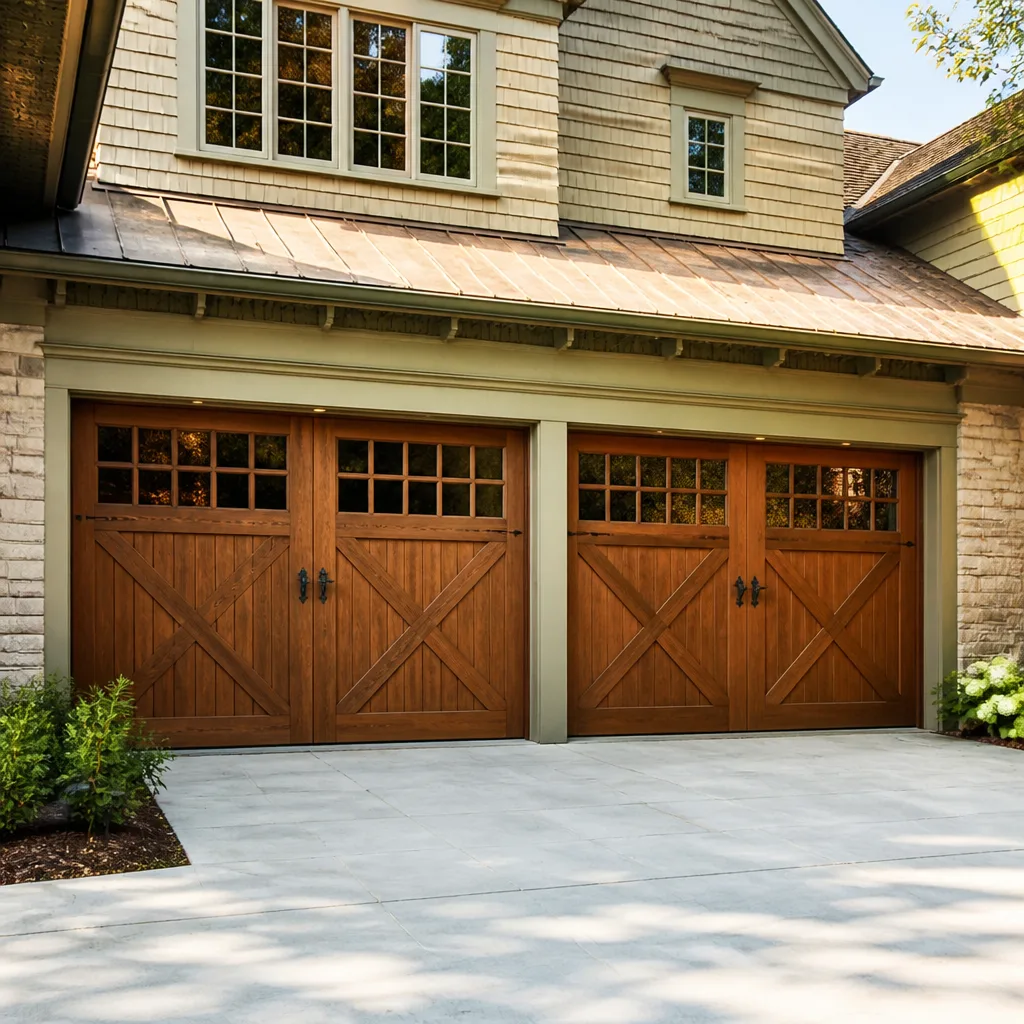 Carriage house
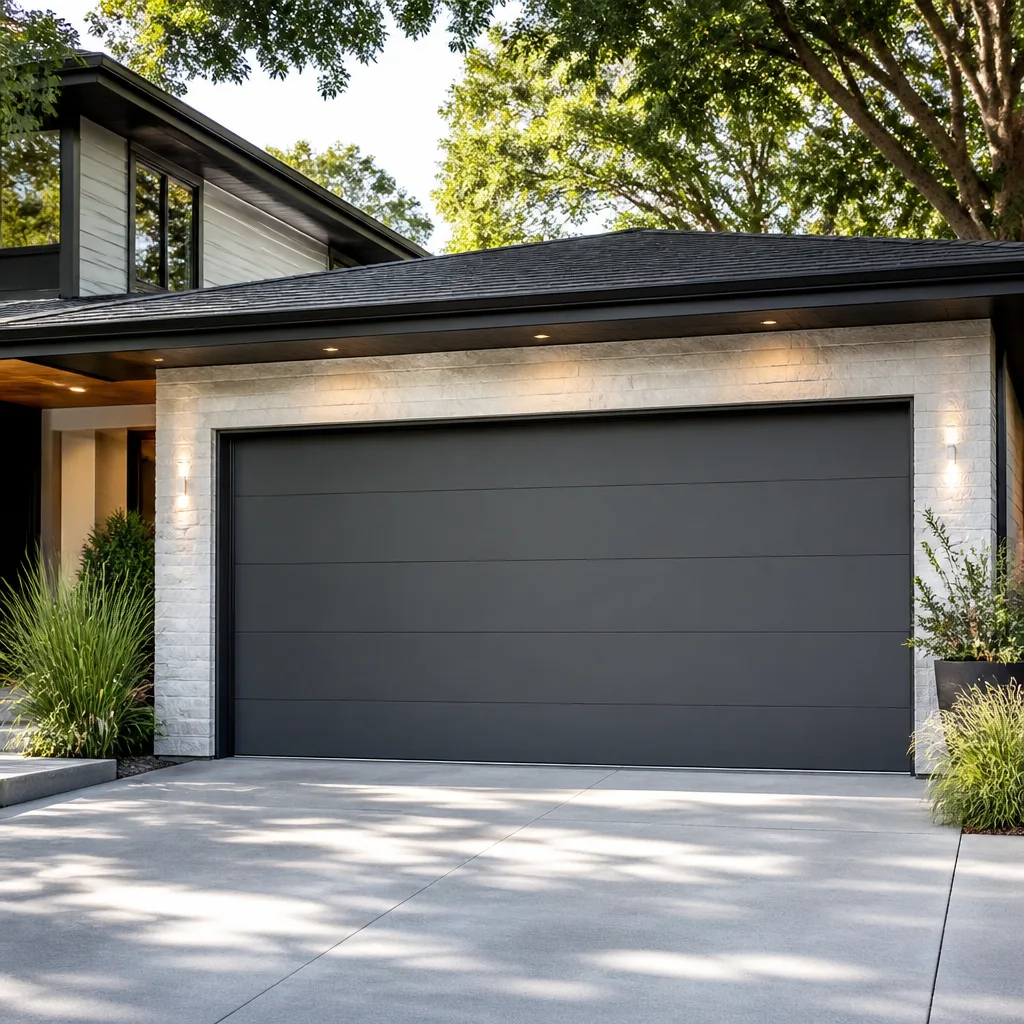 Modern flush
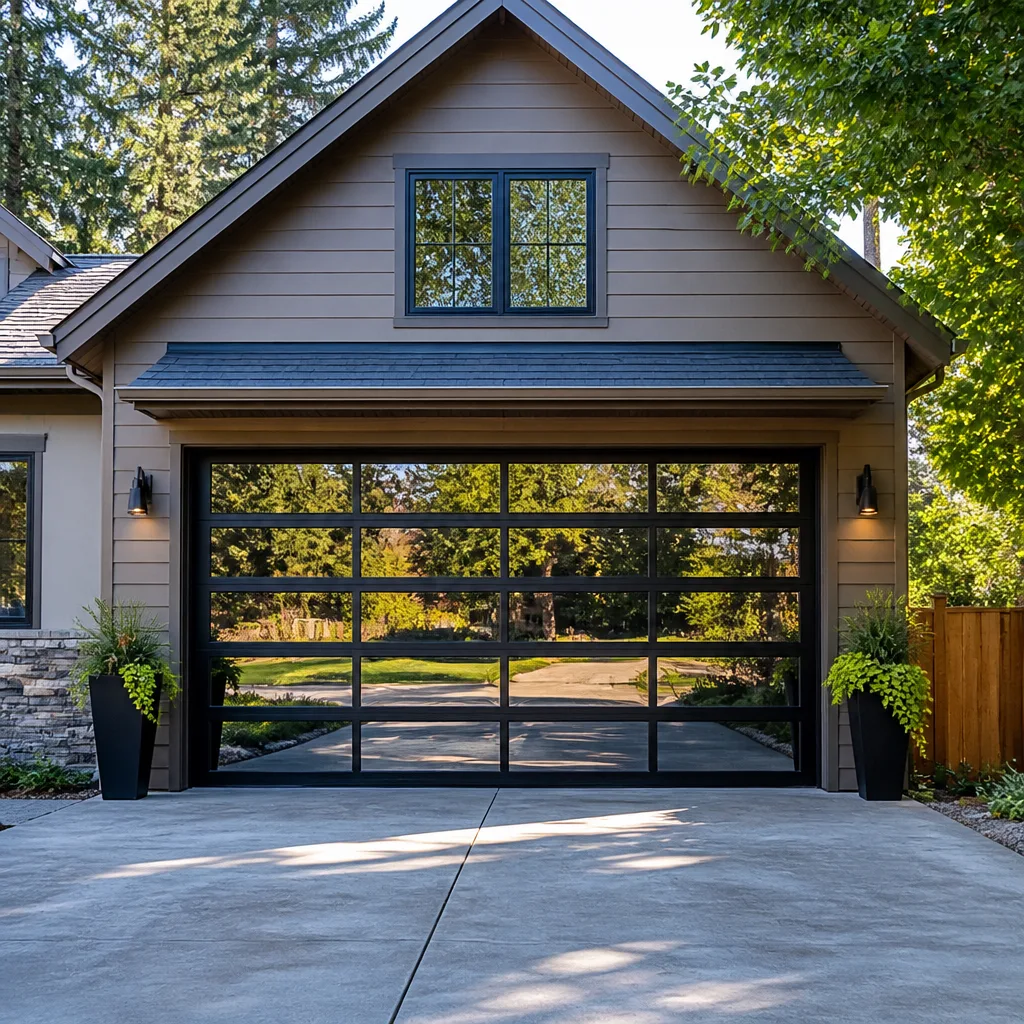 Full-view glass
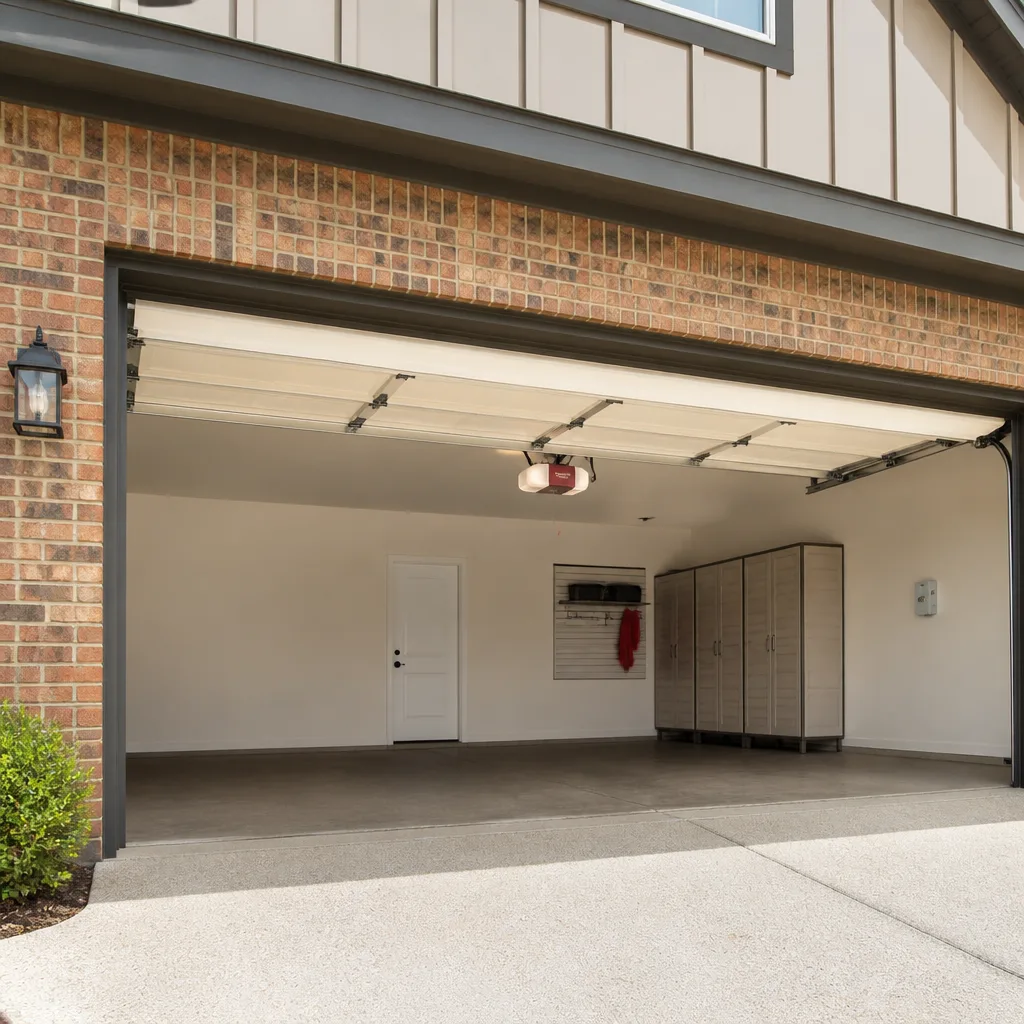 LiftMaster openers
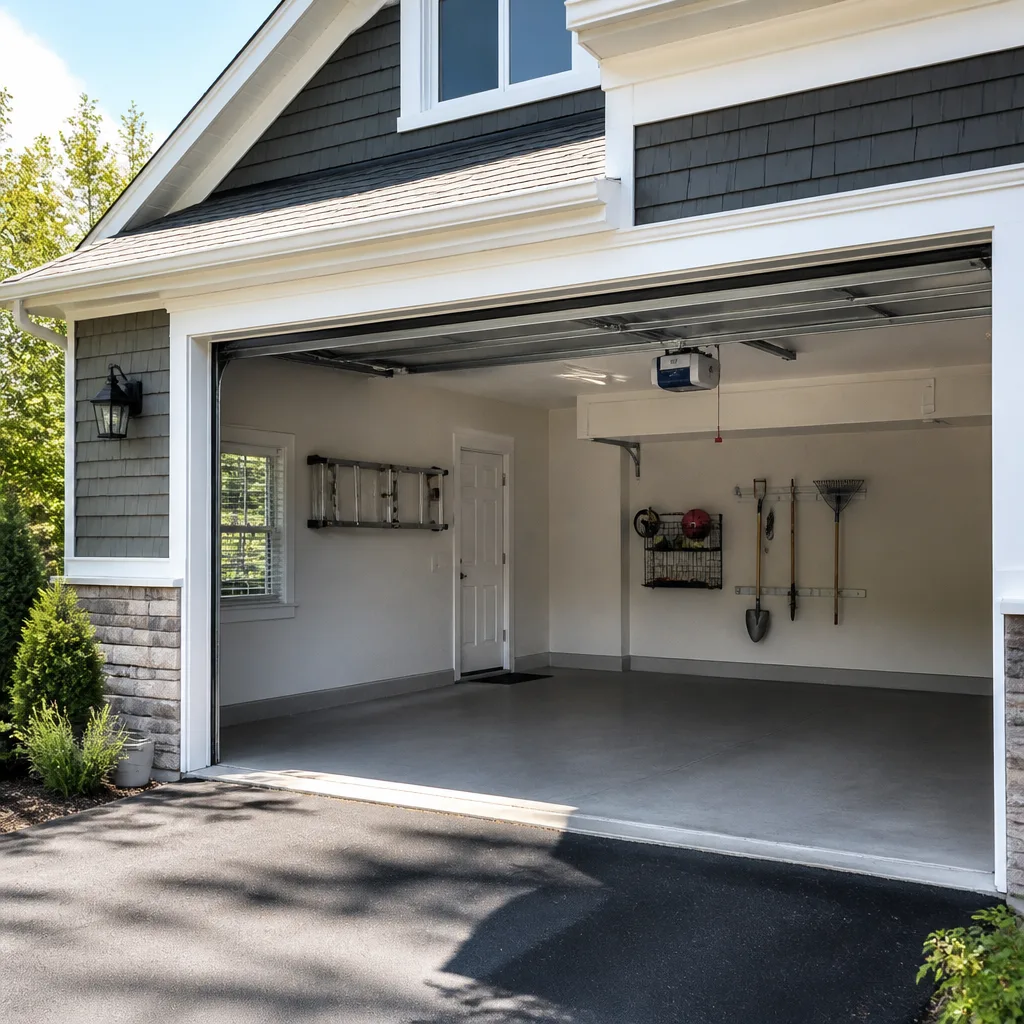 Chamberlain openers
Full 25-point door and opener safety check with every visit - springs, cables, rollers, tracks, and your LiftMaster or Chamberlain opener included
You get a price before we start. It does not change when the pro arrives.
Get your free estimateGarage Door Repair Maintenance Schedule: What to Do and When
Annual maintenance is the advice everyone gives, but a door used four times a day in a Concord summer accumulates the same mechanical wear in eight months that a lightly used door sees in two years. The calendar is the wrong measurement. What actually breaks garage doors is load cycles: every open and every close counts, and the parts that fail first are the ones that see the most cycles under the most stress. A door cycle count tells you when to lubricate, when to expect a spring to fatigue, and when to replace rollers long before they start rumbling loud enough to notice. This guide walks through a maintenance schedule built around cycles, not months, and around Concord’s specific climate pressures: late-summer humidity that works on seals and steel, and January freeze-thaw cycles that tighten and loosen hardware on a weekly basis. You’ll learn what you can safely handle yourself, what belongs to a trained technician, and how to spot the failures that are already underway.
Quick Answer
A garage door maintenance schedule should be built around annual load cycles, not the calendar: a door used four times a day runs roughly 1,460 cycles a year, which means lubrication and visual inspection every 6 months, balance and safety-reverse testing every 3 months, and spring inspection by a technician before the 10,000-cycle mark. Concord homeowners should also do a seal and weatherstripping check every autumn before humidity drops and before the first hard freeze, since those two seasonal swings attack the same components in sequence. If your door is already showing symptoms – grinding, uneven travel, or a bottom seal that’s cracked – call (866) 942-7643 for a free estimate; we answer 24/7 and dispatch technicians from 7am to 7pm, Sunday through Friday.
Styles & brands we work with
- Raised-panel steel
- Carriage house
- Modern flush
- Full-view glass
- LiftMaster openers
- Chamberlain openers
Table of Contents
- Why Load Cycles Beat the Calendar
- How Concord’s Climate Attacks Specific Components
- Tiered Task List: What You Can Do vs. What Needs a Technician
- The Balance Test as a Quarterly Diagnostic
- Lubrication: What to Use and What to Never Touch
- A Seasonal Sequence for Concord Doors
- Common Mistakes to Avoid
- When to Call a Professional
Why Load Cycles Beat the Calendar
A garage door is a system of moving parts counted in cycles, not in months. Every time the door opens or closes, that’s one cycle. Springs, rollers, hinges, and the opener’s drive system all accumulate wear per cycle, and a door used heavily will hit every wear threshold much sooner than a door used lightly in the same household. A family of four where both adults commute runs their door roughly four times a day. A retiree who uses the door once or twice daily runs it half that. Same house, same door, same weather – completely different maintenance timelines.
The math is straightforward. Four cycles a day times 365 days is 1,460 cycles a year. Two cycles a day is 730. Multiply your own door’s daily use by 365 and you have your annual count. That number is what should drive your schedule, not the flip of a calendar page.
Why does this matter in Concord specifically? Because the interval that actually matters for springs isn’t a manufacturer’s calendar recommendation – it’s the cycle count. A standard torsion spring is designed and rated in cycles, and the homeowner’s job is to know where the door sits on that wave so a technician can inspect before the spring comes apart rather than after.
- 1 – 2 cycles/day (≈365 – 730/yr): Highest-usage inspection intervals can be stretched to annual, but the balance test still belongs every quarter.
- 3 – 5 cycles/day (≈1,100 – 1,825/yr): The typical Concord commuter household. Lubrication every 6 months, balance test every 3 months, spring inspection within the first few years.
- 6+ cycles/day (≈2,190+/yr): Multi-driver household, home business, or rental property. Lubrication every 4 months, balance test every 2 months, spring inspection at a technician’s recommended interval.
If you’re unsure how to estimate, count cycles for one week. Have everyone in the household tally each time the door goes up or down – leaving for work, coming home, walking out to the mailbox and back. Then multiply by 52. Most households are surprised by the number. For repair scheduling around a specific worn component, our garage door repair page covers what each type of repair involves.
How Concord’s Climate Attacks Specific Components
Concord runs a humid subtropical climate with hot summers and cold-enough winters to freeze. That specific combination attacks garage door components in a predictable sequence, and knowing the sequence tells you exactly when each component needs a check. Coastal salt air is not a factor here – Concord is inland – but humidity and freeze-thaw do more than enough damage on their own.
Late-summer humidity works first on the parts that trap moisture. The bottom seal sits flat against a concrete floor where condensation gathers, and rubber or vinyl seal material hardens and cracks when exposed to weeks of high humidity followed by the first dry days of autumn. Weatherstripping around the door frame absorbs moisture at its edges and begins to pull away from the jamb. Steel bottom sections and the lower track are the first metal surfaces to show surface rust when the seal behind them stops sealing, because they live near the floor where moisture lingers longest.
January freeze-thaw works on fasteners and gaps. When the temperature drops below freezing and rises again the next afternoon, metal contracts and expands slightly. Bolts that were tight in September work looser by January. Hinges that ran quietly all summer start to squeak. A gap that was sealed in October opens by February. That’s why the hardware check belongs in the shoulder seasons, not in the middle of summer.
Two things Concord homeowners should also watch:
- Pollen season (spring): Pine pollen coats rollers, hinges, and the opener’s drive rail. Left alone, it acts as a grinding paste that accelerates roller wear. A wipe-down in early spring extends roller life.
- Summer heat on opener electronics: A garage with a south-facing metal door becomes an oven in July and August. Smart opener boards and remote receivers see the heat, and that’s when oddly intermittent opener behavior tends to show up. If your LiftMaster or Chamberlain opener starts behaving strangely in mid-summer and settles in the fall, heat is a likely culprit – a diagnostic visit from a technician confirms it.
Tiered Task List: What You Can Do vs. What Needs a Technician
Not all garage door maintenance is equal. Some tasks are safe for a careful homeowner, and some are genuinely dangerous even when the door seems to be cooperating. The rule we ask every Concord customer to hold onto: springs and cables are never a homeowner job, no matter how confident YouTube makes you feel.
Homeowner-Safe Tasks (Monthly or Quarterly)
- Visual inspection of the full door and track: Look for cracks in panel skins, fraying on the edges of the bottom seal, bent track sections, and loose bolts on hinges and brackets.
- Balance test (see below): Once a quarter, with the door disconnected from the opener.
- Safety-reverse test: Once a quarter. Place a roll of paper towels or a 2×4 flat on the floor in the door’s path, close the door, and confirm the opener reverses on contact. This is not a garage door repair; it’s a regulation safety function that protects children and pets, and it must work.
- Lubrication: On the schedule your cycle count demands, using the right product (see below).
- Light cleaning: Wipe down rollers, hinges, and the drive rail to remove pollen and grime.
Technician-Required Tasks (Never Attempt These)
- Torsion spring tension adjustment or replacement: Torsion springs are under extreme tension and can cause serious injury if adjusted incorrectly. Only a trained technician with proper winding bars should touch them.
- Cable replacement or inspection: Cables are under the same tension as springs. A snapped cable can whip, and inspecting cable condition properly requires a trained eye.
- Opener force and travel limit settings: Adjusting force limits incorrectly can cause the door to crush or fail to reverse. A technician sets these to the door’s actual weight and travel.
- Track realignment: A bent or out-of-alignment track section can be straightened, but doing it wrong can cause panels to bind or the door to come off-track entirely.
- Panel replacement on insulated doors: Panel weight changes on insulated doors (Clopay, Amarr, Wayne Dalton) can affect balance and spring requirements, so a technician should match the panel to the system.
When a tier-two task is due and you’d rather have it handled by a specialist, our Harbinger Garage Door Repair team services LiftMaster, Chamberlain, Genie, Clopay, Amarr, Wayne Dalton, Craftsman, and Raynor equipment – meaning your specific door or opener is already a system we work on daily, not one we have to figure out on the driveway. For opener-side diagnostics, the garage door opener repair page walks through what a service visit covers.
The Balance Test as a Quarterly Diagnostic
The single most useful diagnostic a homeowner can run is the balance test. It tells you whether the door’s springs are still carrying the door’s weight, which is the difference between an opener doing its designed job and an opener doing twice the work it was built for. A door that fails the balance test isn’t a door that needs repair tomorrow – but it’s a door whose opener is being overloaded, and the overload shortens every other component’s life.
How to Perform the Balance Test
- Close the door fully and disconnect it from the opener. On most openers, that’s the emergency release pull cord – pull the cord straight down and the door is now running on its springs and tracks alone.
- Lift the door by hand to about waist height, then let go. Do not force it. If the door doesn’t lift easily by hand, a spring is already weak or the door is out of balance; re-engage the opener by hand and stop the test.
- Watch what the door does. A balanced door stays where you put it. A door that falls is spring-weak. A door that rises on its own is spring-over-wound, which is less common but happens.
- Test in the middle of travel too. Bring the door to shoulder height and let go. Then to head height and let go. A door that stays put at waist but falls at head height is failing further into the travel.
- Re-engage the opener by pulling the release cord again (or raising the door and pulling the cord through the carriage). Test the safety reverse before you walk away.
What a Passing Result Looks Like
A passing balance test means: the door lifts by hand without effort, stays where you put it at multiple heights across its travel, and doesn’t drift up or down more than a few inches. A door that passes all three is a door whose spring tension is still matched to the door’s weight. A door that fails any point – falls at any height, rises on its own, or is so hard to lift that you strain – is a door whose opener is working harder than designed. That’s the diagnostic signal that a technician should look at the springs before the opener burns out too. Same-day service is available when a failed test turns into a door that won’t stay up.
Lubrication: What to Use and What to Never Touch
Lubrication is the easiest maintenance task to get wrong because the wrong product actively damages components. WD-40 is the classic example. It’s a solvent with a light oil carrier – good for displacing moisture on a garden tool, terrible for a garage door mechanism. It strips existing grease from rollers and hinges, leaves a tacky film that attracts dust and pollen, and evaporates away within weeks. Homeowners who use WD-40 on rollers often find the door runs rougher after “maintenance” than before it, and they assume the rollers are worn out when the real problem is that they’re dry.
The same discipline applies to torsion springs. A torsion spring should be lightly lubricated on its coils with a proper garage door lubricant, not soaked. WD-40 on a torsion spring is especially bad: it works into the coil gaps, dissolves the existing protective film, and leaves the spring more exposed to the humidity swings Concord sees late every summer. A dry, unprotected torsion spring is more likely to corrode and fail at a stress point.
What to Use
- White lithium grease or a garage door specific spray lubricant for rollers, hinges, and the opener’s drive rail (the rail product depends on the opener brand – Genie and LiftMaster use different recommended lubricants on the drive rail, and a technician can confirm the right one for yours).
- Silicone spray for the bottom seal and weatherstripping, applied lightly and wiped down. Silicone keeps rubber and vinyl flexible through humidity swings and helps the seal sit against the concrete floor without sticking.
- A light wipe of proper lubricant on torsion spring coils, applied sparingly. Never soak the spring.
What to Never Use
- WD-40, all-purpose penetrating oil, or solvent sprays on any moving garage door part. These strip protective coatings and evaporate.
- Motor oil or cooking oil on tracks. Tracks should be clean and dry, not lubricated. Oil on a track attracts grit and causes binding.
- Grease on the bottom seal or weatherstripping. Rubber and vinyl need silicone, not grease.
- Graphite powder on rollers and hinges in an outdoor-exposed garage. It’s a dry lubricant that works for locks but not for heavy cycle load.
If you’re not sure what product to use, or your opener’s drive rail spec is unclear, ask us. We can tell you what’s right for your exact opener before you buy anything.
A Seasonal Sequence for Concord Doors
Because Concord’s climate swings on a predictable annual rhythm, a seasonal sequencing of maintenance tasks is more useful than a month-by-month calendar. Here’s the sequence we recommend for cycle-conscious households, adjusted up or down for doors with heavy use.
Spring (March – May)
- Wipe down the track, rollers, and hinges to remove pollen before it becomes grinding paste. Pine pollen lands on every horizontal surface in a Concord garage in April.
- Run the balance test – the first of four for the year on a typical commuter door.
- Safety-reverse test. Confirm the opener reverses on contact with a solid object in the door’s path.
- Check the bottom seal and weatherstripping for signs of winter cracking, then apply silicone once they’re confirmed intact.
- Lubricate rollers and hinges if you’re on the 6-month or 4-month schedule.
Summer (June – August)
- Watch for heat-related opener quirks. If the door behaves erratically in July, note when it misbehaves (time of day, temperature) to help a technician diagnose the opener board or the safety sensor alignment.
- Run the balance test mid-summer, especially if your door sees 4+ cycles daily.
- Check the bottom seal again in late August – humidity is at its peak, and any small crack in the seal that was there in spring will have grown by now.
Autumn (September – November)
- Full hardware check: tighten any hinge or bracket bolt that has loosened over the summer. November is the last chance before freeze-thaw starts working on them.
- Balance test and safety reverse test.
- Inspect the bottom seal, weatherstripping, and lower track for rust or separation before the cold sets in. This is the most important seasonal check in Concord because it’s the one that prevents Januray surprises.
- Book a technician for spring and cable inspection before winter, especially if the door has been in service for more than 3 years at typical residential loads.
Winter (December – February)
- Listen for new sounds. Squeaks that started in November tell you a hinge needs lubrication or a bolt is loose.
- Balance test – the fourth for the year on a typical door.
- Watch for stiffness in the opener after a cold night. Cold grease thickens and the opener works harder on the first cycle of the day. That’s normal up to a point; a door that barely moves on the first cycle needs attention.
- Check for water intrusion under the door after a hard rain. A seal that has lost contact with the floor lets water pool into the garage.
For homeowners in Concord and the surrounding region, this sequence aligns naturally with how the local climate builds pressure on components. For any door in the area, our Concord service page covers what’s available, and scheduled repair visits are easy to set during the shoulder seasons when the door is least likely to be in daily use.
Common Mistakes to Avoid
- Using WD-40 on rollers, hinges, or springs. It strips protective grease, attracts dust, and evaporates within weeks, leaving components drier than before. It’s the most common cause of “the door got louder after I lubricated it” calls we diagnose.
- Skipping the balance test. A door that fails balance puts strain on the opener every single cycle, which shortens the opener’s life and its gear assembly. Quarterly testing catches the problem before the opener pays for it.
- Replacing a spring yourself to save money. Torsion springs are under extreme tension; improper handling causes serious injury. This is the single hardest line in garage door maintenance – do not cross it.
- Ignoring the bottom seal. In Concord’s humidity, a cracked seal lets moisture into the lower track and steel section, causing rust that progresses faster each season. A $20 piece of seal replacement prevents a much larger repair.
- Adjusting the opener’s force limit to “fix” a binding door. Cranking force up to overpower a stiff door treats the symptom and ignores the cause. The right fix is to find the binding component, not to force the door past it.
- Oiling the tracks. Tracks should stay clean and dry. Oil collects grit and turns a smooth track into a grinding one.
- Assuming the door is fine because it opens. Doors fail from the inside out – spring fatigue, cable fraying, and track separation all progress silently before the door stops opening. The point of a maintenance schedule is to catch what the door’s behavior can’t tell you yet.
See the difference
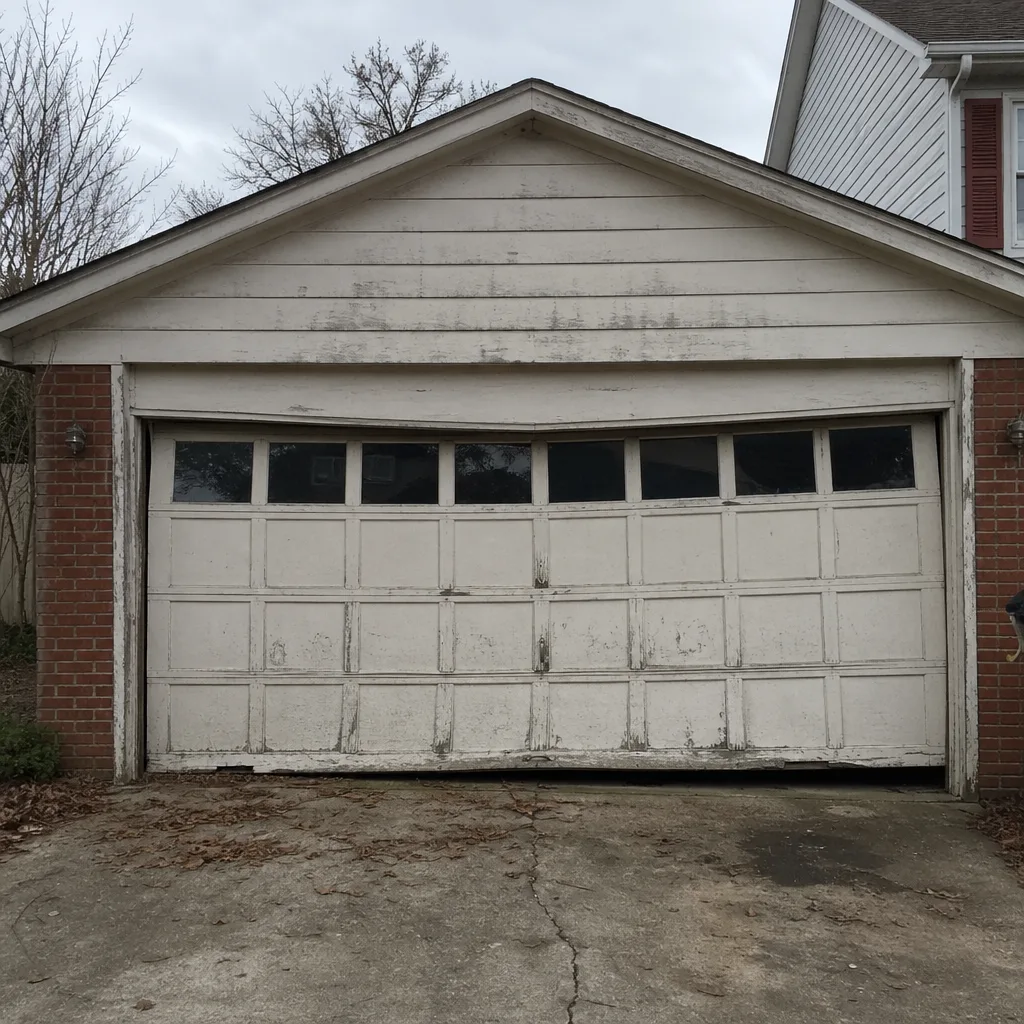 Before
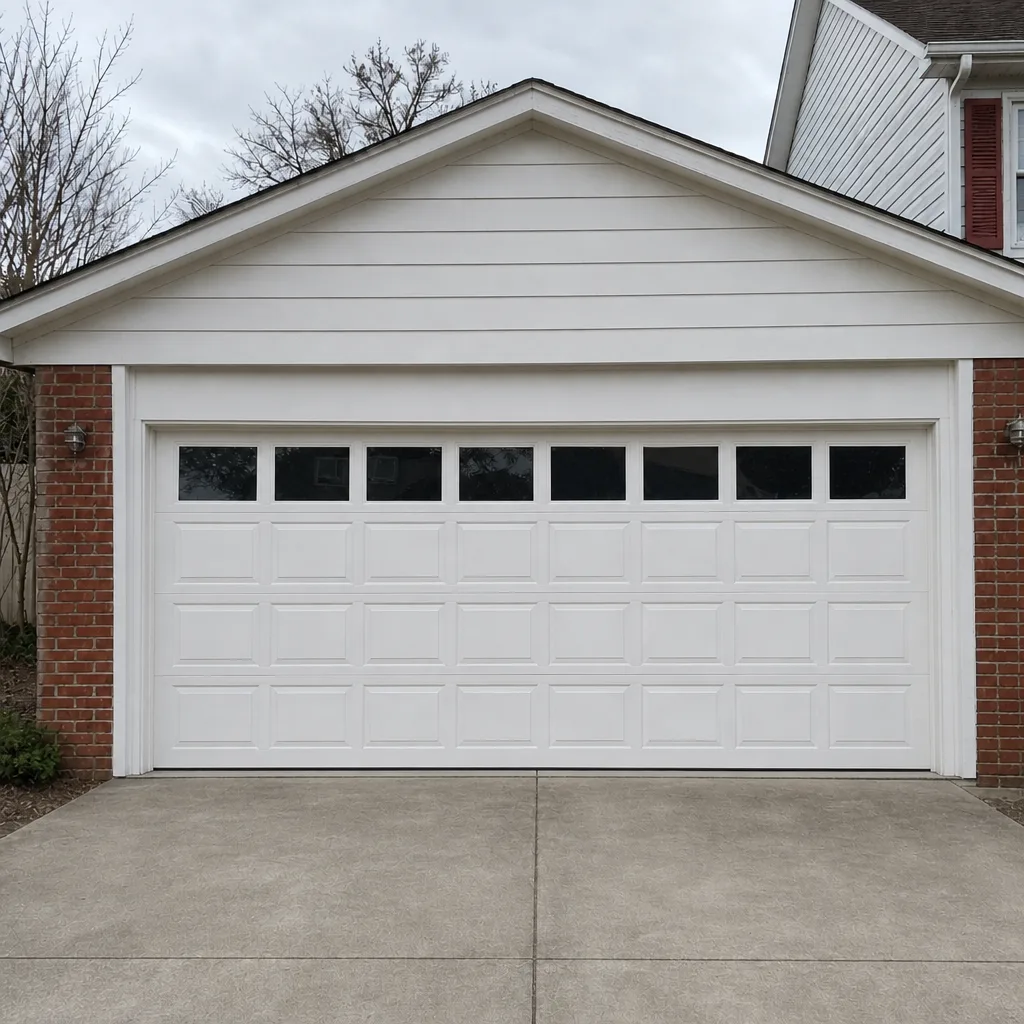 After
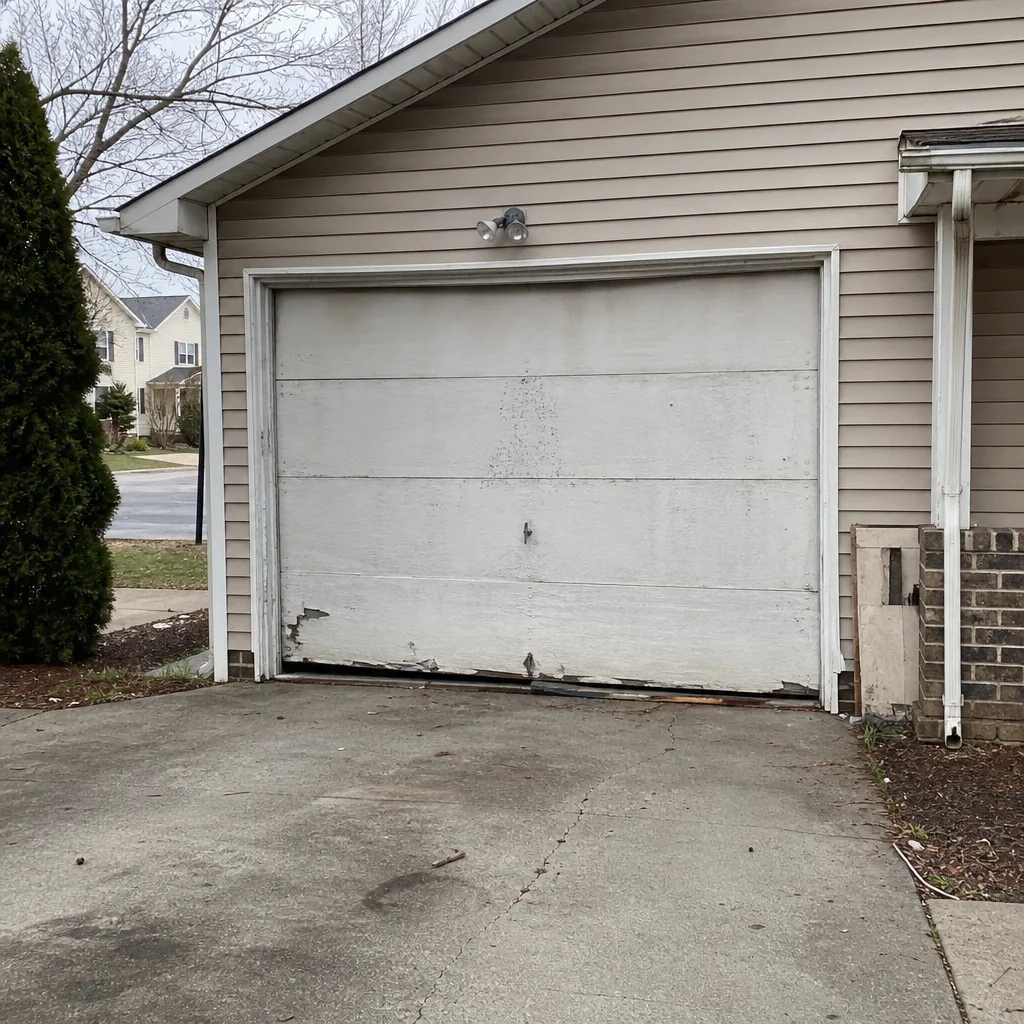 Before
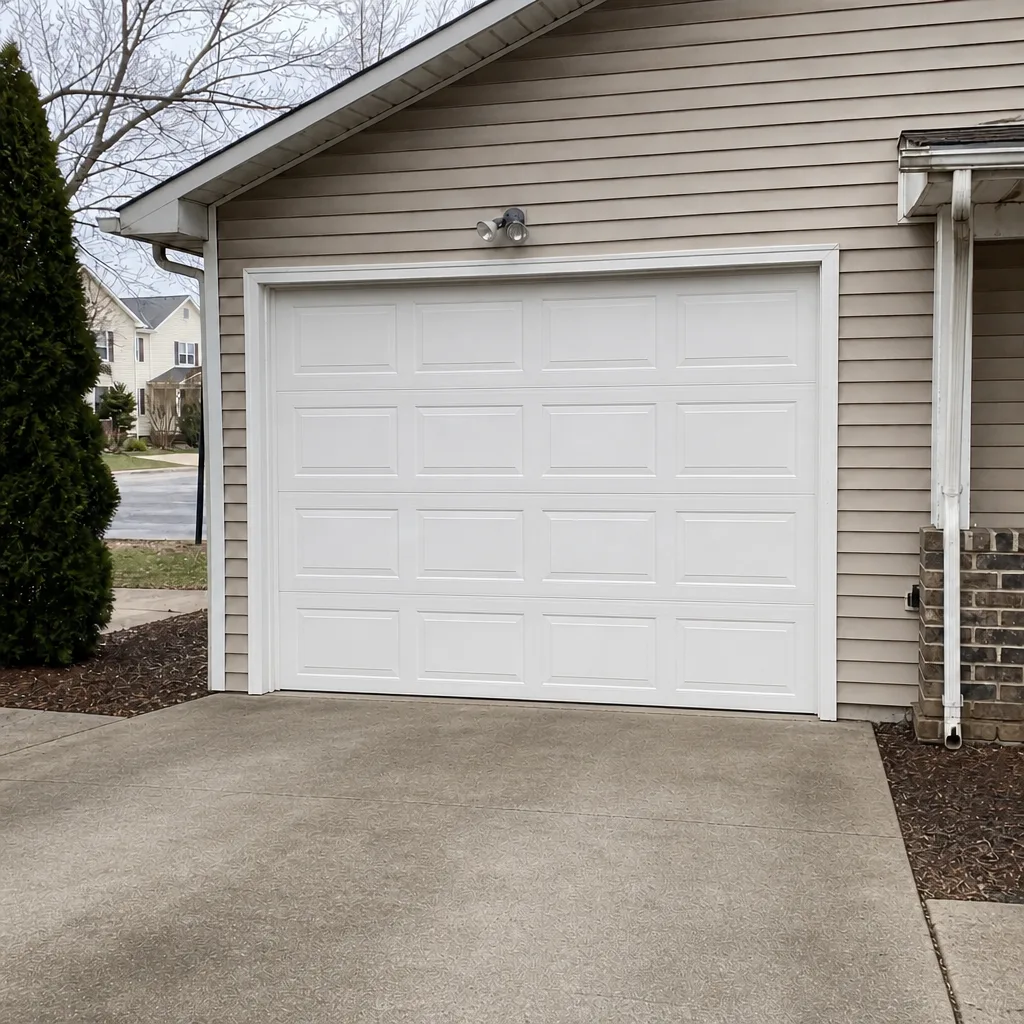 After
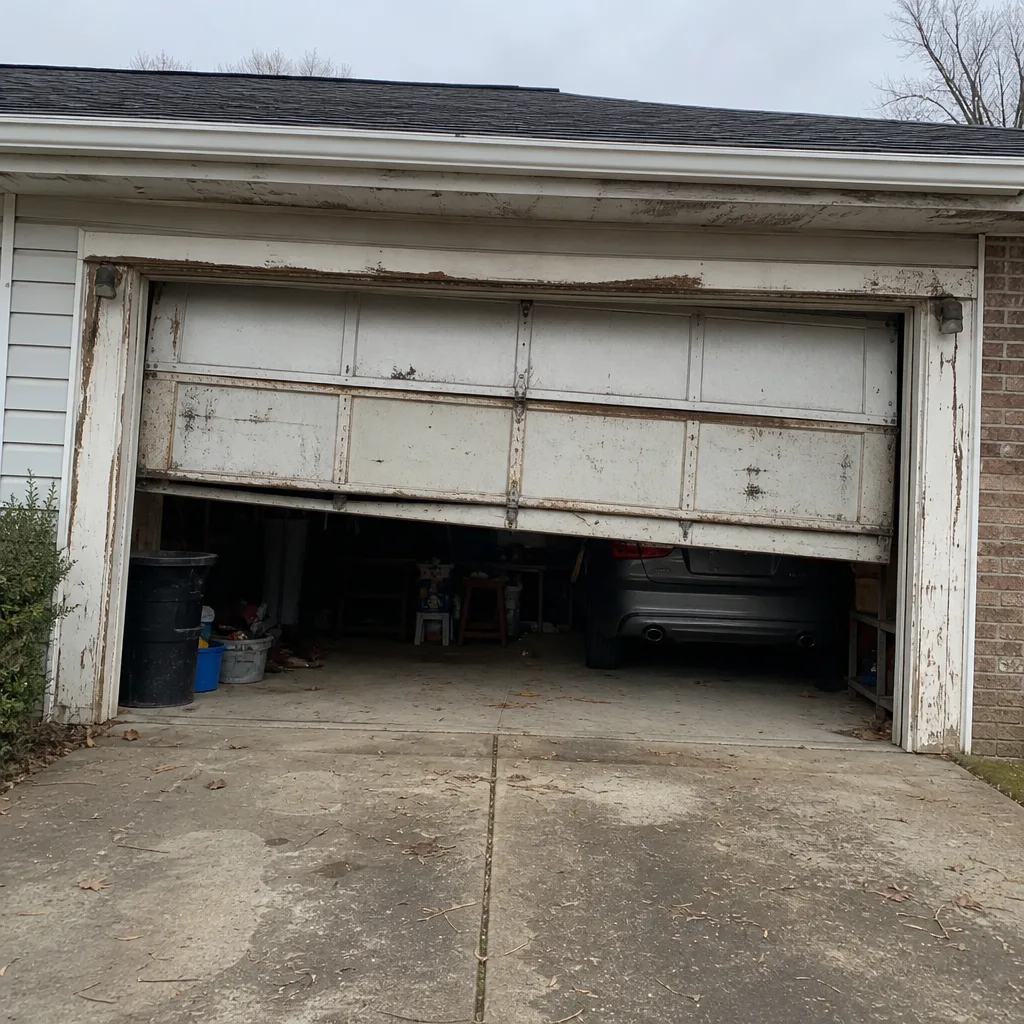 Before
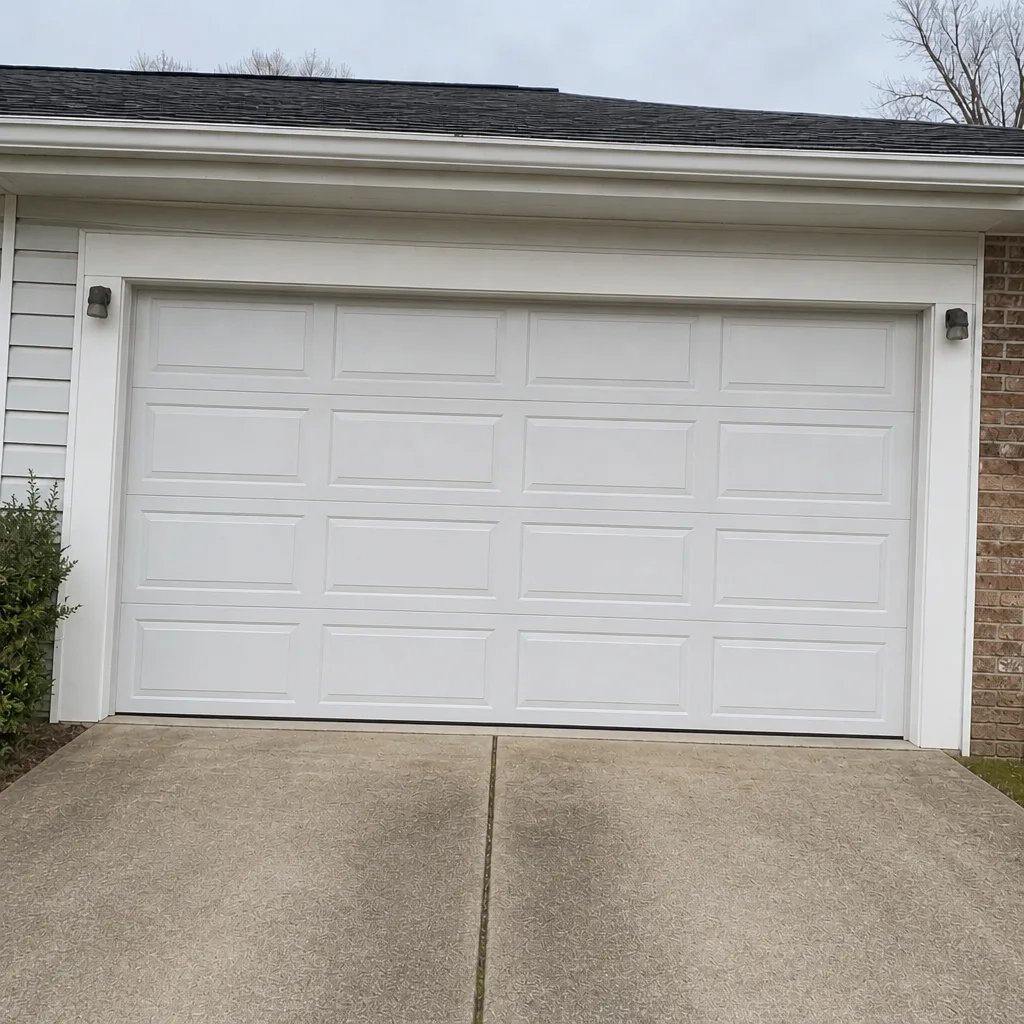 After
When to Call a Professional
Some maintenance tasks belong to a technician, and some situations say “call now” even if the door is still opening. Call a professional if: the balance test fails at any height, the door makes grinding or popping sounds during travel, the door comes off the track or moves crookedly, the opener’s safety reverse fails, a cable looks frayed or has come loose, the door won’t stay up when hand-raised, or you’ve hit the cycle interval where spring and cable inspection is due. A trained technician can inspect spring wind, cable wear, and opener force settings in a single visit and diagnose issues that aren’t visible to a homeowner.
Harbinger Garage Door Repair offers free estimates in Concord – call (866) 942-7643. We answer 24/7. Fast dispatch from 7am to 7pm, Sunday through Friday. Every price is quoted and agreed before any work starts, so the estimate you get is the number you pay.
Frequently Asked Questions
Every 6 months for lubrication and visual inspection, every 3 months for the balance test and safety-reverse test, and a professional spring and cable inspection within the first few years based on your actual cycle count. Concord’s humidity and freeze-thaw swings mean the autumn hardware check and spring seal check are more important here than in drier climates. Call (866) 942-7643 for a free estimate on any repair or scheduled inspection.
You can safely do lubrication, visual inspection, the balance test, the safety-reverse test, and cleaning. You cannot safely do spring work, cable work, opener force adjustment, or track realignment – these require proper tools and training and can cause serious injury if attempted. When a technician-tier task is due, call (866) 942-7643; estimates are free.
A load cycle is one complete open and close. A door used 4 times a day runs about 1,460 cycles per year; a door used twice a day runs about 730. Springs and rollers are rated in cycles, not months, so a heavily used door wears out faster than a lightly used one even if both are the same calendar age. Call (866) 942-7643 for an inspection if you’re unsure where your door sits on its cycle count.
A door that fails the balance test – falls when you let it go at waist or head height – is telling you a spring is weak. Other signs include a door that’s noticeably heavier to lift than before, a snapping or popping sound at the moment the door starts to move, or a visible gap between the spring coils. Do not attempt a spring inspection or replacement yourself. Call (866) 942-7643; we can inspect and quote replacement in a single visit.
Yes – late-summer humidity hardens and cracks the bottom seal, loosens weatherstripping, and accelerates surface rust on the lower track and steel bottom section. January freeze-thaw then loosens bolts and opens gaps. That’s why the autumn hardware and seal check is the most important seasonal task for Concord doors. Call (866) 942-7643 to schedule a full inspection before the cold sets in.
No – a rough-running or hard-to-lift door is usually a spring, track, or roller problem, not an opener problem. Replacing or repairing the opener in that situation leaves the underlying issue in place, and the new opener fails faster. Our garage door opener repair service starts with diagnosing whether the issue is the opener or the door. Call (866) 942-7643 for a free estimate.
The Bottom Line
Build your maintenance schedule around load cycles, not the calendar. Estimate your door’s daily use, multiply by 52, and you have a number that actually tells you when lubrication, spring inspection, and roller replacement are due. Layer the seasonal checks on top: autumn for the seal, hardware, and track; spring for pollen cleanup and the first balance test; quarterly balance and safety-reverse tests no matter what the calendar says. Keep WD-40 off every moving part. Let a technician handle springs, cables, force limits, and track alignment, and let the homeowner duties stay with you. That split – safe tasks in your hands, dangerous tasks with a trained specialist – is what makes the schedule work. When a task lands in the technician column, call (866) 942-7643 for a free estimate. We answer 24/7. Fast dispatch from 7am to 7pm, Sunday through Friday.
Written by the team at Harbinger Garage Door Repair.